
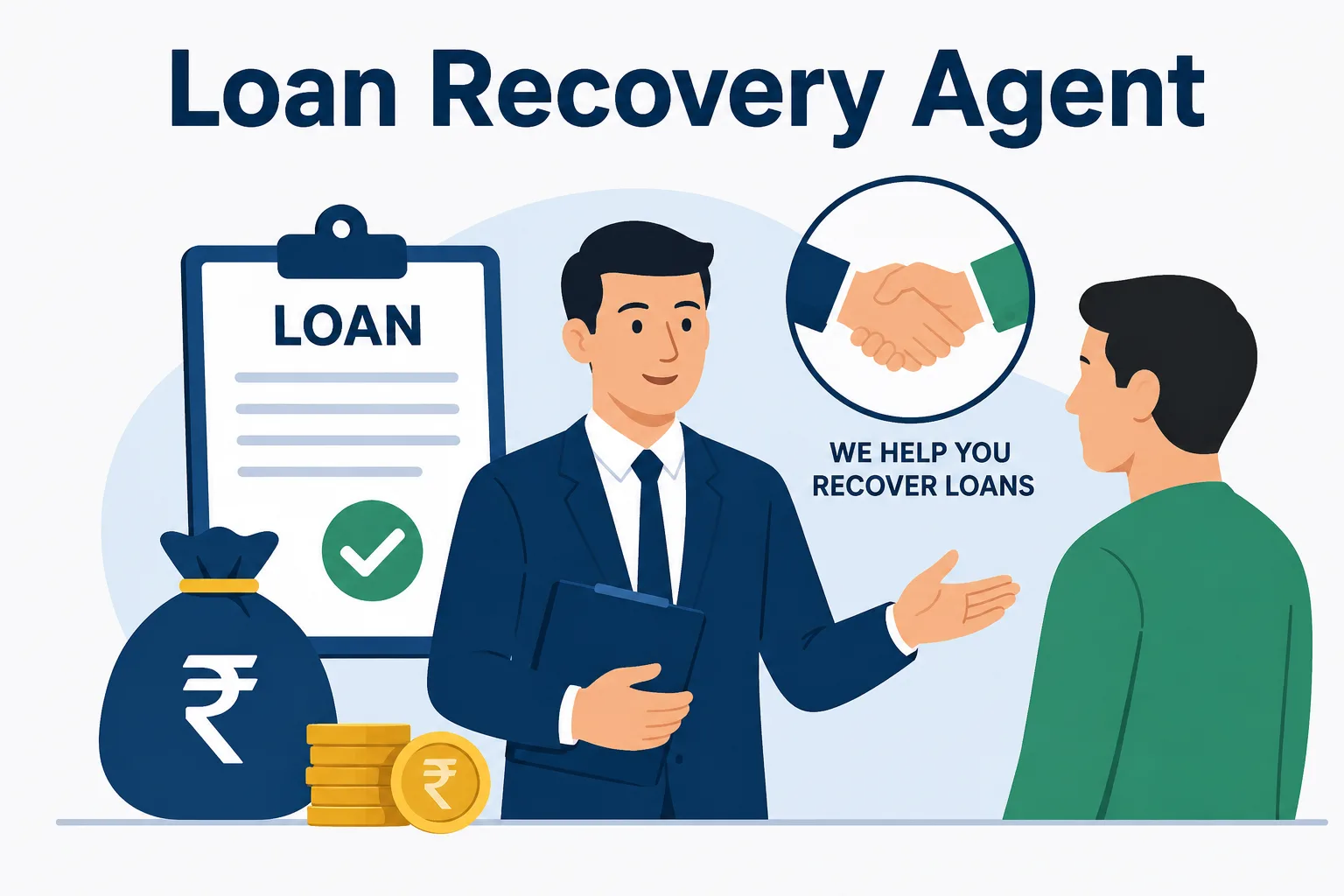
In today’s financial world, loans play an important role in helping individuals and businesses achieve their goals. Whether it is a personal loan, business loan, vehicle loan, or mortgage, borrowing money provides financial support when needed. However, repayment challenges can sometimes occur due to unexpected financial difficulties, delayed payments, or business losses. This is where a loan recovery agent becomes important.
Press enter or click to view image in full size
Loan recovery agents act as a bridge between lenders and borrowers, helping recover overdue payments in a professional and structured manner. Many people misunderstand the role of recovery agents and assume their work involves pressure or aggressive collection methods. In reality, professional recovery agents focus on communication, negotiation, and lawful recovery practices.
This complete guide explains what loan recovery agents do, their responsibilities, benefits, and why they are important for borrowers and businesses.
Who Is a Loan Recovery Agent?
A loan recovery agent is a professional or agency hired by banks, financial institutions, NBFCs (Non-Banking Financial Companies), or businesses to recover outstanding loans and unpaid debts from borrowers.
The primary objective of a recovery agent is to ensure that unpaid loans are collected while maintaining legal and ethical standards. Recovery agents work with different types of debts, including:
- Personal loan recovery
- Business loan recovery
- Credit card dues
- Vehicle loan recovery
- Mortgage recovery
- Corporate debt recovery
- Commercial payment collections
Their role is not limited to collecting money. They also help identify the reasons behind payment delays and work toward finding practical repayment solutions.
Main Responsibilities of a Loan Recovery Agent
1. Contacting Borrowers
One of the first responsibilities of a loan recovery agent is contacting borrowers who have missed payment deadlines.
They communicate through:
- Phone calls
- Emails
- Letters
- SMS reminders
- Personal visits
The purpose of communication is to remind borrowers about overdue payments and understand their financial situation.
2. Negotiating Payment Solutions
Not every borrower intentionally avoids repayment. Some borrowers face temporary financial challenges such as:
- Job loss
- Business losses
- Medical emergencies
- Cash flow issues
Recovery agents help negotiate repayment plans that are realistic and manageable. This can include installment arrangements or revised payment schedules.
3. Maintaining Proper Documentation
Loan recovery involves extensive documentation. Recovery agents keep records of:
- Outstanding balances
- Payment history
- Communication details
- Settlement agreements
- Recovery progress
Proper documentation ensures transparency and supports legal processes if required.
4. Conducting Follow-Ups
Recovery is not usually completed after a single reminder. Recovery agents regularly follow up with borrowers to ensure payment commitments are honored.
Continuous follow-up helps increase successful collections while maintaining professional communication.
5. Assisting in Legal Recovery Procedures
When borrowers repeatedly ignore payment obligations, legal action may become necessary.
Recovery agents can assist lenders with:
- Sending legal notices
- Preparing documentation
- Coordinating with legal teams
- Supporting legal recovery procedures
However, professional agents operate within legal guidelines and avoid unlawful practices.
Why Businesses Hire Loan Recovery Agents
Businesses often struggle with delayed payments and bad debts. Unpaid accounts can affect cash flow and profitability.
Hiring a professional loan recovery agent provides several advantages.
Improved Cash Flow
Outstanding debts reduce available working capital. Faster recoveries improve liquidity and help businesses operate smoothly.
Saves Time and Resources
Internal staff may spend excessive time following up on overdue accounts. Recovery agencies handle the collection process efficiently, allowing businesses to focus on core operations.
Higher Recovery Success Rate
Experienced recovery professionals use proven strategies to recover debts effectively.
Professional Communication
Recovery agents know how to communicate with borrowers professionally while protecting business relationships.
Reduced Financial Risk
Timely debt recovery minimizes losses and reduces long-term financial risk.
Benefits for Borrowers
Loan recovery agents are not only beneficial for lenders and businesses. Borrowers can also benefit from professional recovery services.
Flexible Repayment Options
Borrowers facing financial difficulties can discuss repayment plans suited to their situation.
Better Financial Planning
Open communication with recovery agents helps borrowers understand their obligations and avoid further penalties.
Preventing Legal Complications
Ignoring loan obligations may lead to legal action and additional costs. Working with recovery agents can help borrowers resolve issues before they become serious.
Maintaining Credit Reputation
Timely settlement of overdue payments helps borrowers avoid long-term damage to their credit profile.
Common Challenges Faced by Loan Recovery Agents
Loan recovery is not always simple. Recovery professionals often face several challenges.
Lack of Communication
Some borrowers stop responding to calls and messages, making recovery difficult.
Financial Hardships
Borrowers experiencing genuine financial problems may not have immediate repayment capacity.
Legal Compliance
Recovery agents must follow strict legal and ethical standards during collection activities.
Press enter or click to view image in full size
Disputes and Documentation Issues
Incorrect information or disputed amounts can delay the recovery process.
Professional agencies overcome these challenges through proper communication and systematic recovery methods.
Ethical Practices in Loan Recovery
Modern recovery services focus heavily on ethical practices.
Professional recovery agents should:
- Treat borrowers respectfully
- Avoid harassment or threats
- Follow legal regulations
- Maintain confidentiality
- Communicate clearly and professionally
Ethical recovery protects both borrowers and lenders while creating a fair process.
How to Choose the Right Loan Recovery Agency
When selecting a loan recovery agency, consider the following factors:
Experience
Choose agencies with proven experience in debt and loan recovery services.
Legal Knowledge
The agency should understand recovery laws and compliance requirements.
Reputation
Check reviews, testimonials, and client feedback.
Communication Skills
Professional communication improves collection success rates.
Transparent Process
Reliable agencies provide regular updates and maintain clear records.
Conclusion
Loan recovery agents play a critical role in the financial system by helping lenders and businesses recover overdue payments while supporting borrowers in finding practical repayment solutions.
Their work involves much more than collecting money. From communication and negotiation to documentation and legal support, recovery agents help create an organized and professional recovery process.
For businesses, effective loan recovery improves cash flow and reduces financial losses. For borrowers, professional recovery services can provide guidance, flexible solutions, and opportunities to resolve payment issues responsibly.
As loan and debt management continue to become increasingly important in today’s economy, professional recovery services remain a valuable tool for both businesses and individuals.
Baadshah Recovery Agency offers professional loan recovery and debt collection services to help businesses and financial institutions recover payments quickly and efficiently while maintaining ethical and legal practices.