
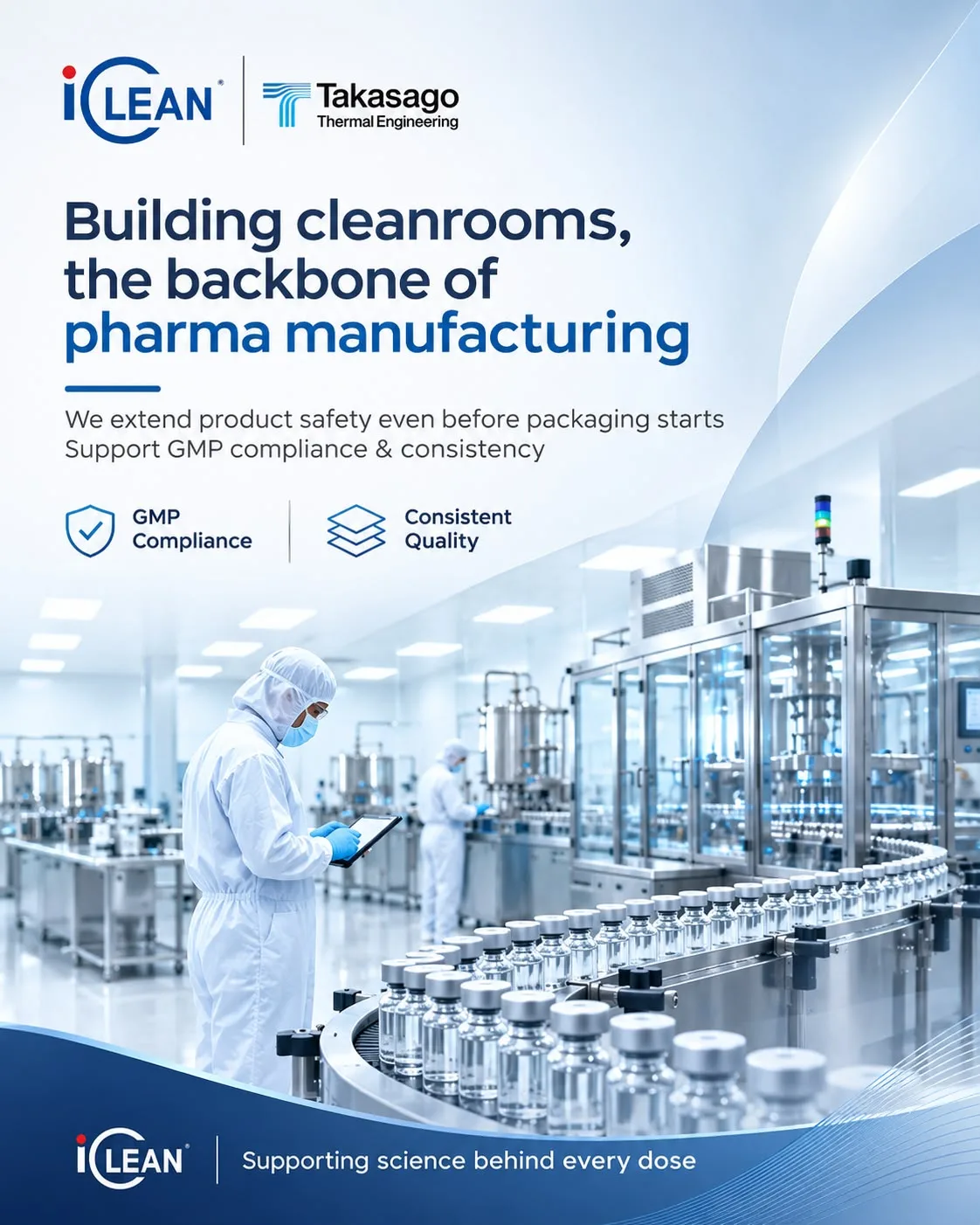
In industries where hygiene, precision, and contamination control are critical, maintaining a controlled environment is essential. From pharmaceutical manufacturing and healthcare to laboratories and research facilities, cleanrooms play a vital role in ensuring consistent working conditions.
However, a cleanroom is more than just a specially designed space. It requires carefully selected equipment, suitable furniture, efficient layouts, and systems that support cleanliness and operational efficiency.
This is where a cleanroom equipment manufacturer becomes an important partner.
iCLEAN focuses on cleanroom solutions designed to support the requirements of controlled environments across industries. From cleanroom equipment and laboratory furniture to Modular OTs and pharmaceutical cleanroom applications, the right solutions can help businesses create functional, hygienic, and efficient workspaces.
In this guide, we explore what cleanroom equipment manufacturers do, the different types of equipment used in cleanrooms, and how to choose the right manufacturing partner for your facility.
What Is a Cleanroom Equipment Manufacturer?
A cleanroom equipment manufacturer is a company that designs, manufactures, or supplies equipment used in controlled environments where airborne particles, contamination, and hygiene must be carefully managed.
These environments are commonly found in pharmaceutical manufacturing, healthcare facilities, laboratories, biotechnology, electronics, and other industries where product quality and process consistency are important.
Cleanroom equipment is selected according to the activities performed inside the facility, the required cleanliness level, and the applicable industry standards.
A reliable manufacturer helps customers identify suitable equipment for their operational requirements while considering functionality, material compatibility, ease of cleaning, and efficient space utilization.
Why Is Cleanroom Equipment Important?
Cleanroom equipment supports the daily activities performed in controlled environments. The right equipment can help maintain organized workflows, simplify cleaning procedures, and support contamination-control practices.
Here are some important reasons why cleanroom equipment matters:
1. Supports Contamination Control
Cleanroom equipment is selected to minimize unnecessary contamination risks. Appropriate materials, smooth surfaces, and equipment designs that support cleaning are important considerations.
2. Improves Operational Efficiency
A well-planned cleanroom layout allows personnel, materials, and equipment to move efficiently. This can help reduce unnecessary movement and improve workflow.
3. Supports Hygiene and Cleaning
Equipment used in cleanrooms should be suitable for the cleaning procedures required in the facility. Design features such as accessible surfaces and appropriate material selection can make routine cleaning more practical.
4. Helps Maintain Consistent Working Conditions
Cleanroom equipment works alongside environmental control systems and established operating procedures to support the required conditions within a facility.
5. Supports Industry-Specific Requirements
Pharmaceutical facilities, hospitals, and laboratories have different operational needs. Selecting equipment according to the application helps ensure that the facility is designed around its intended use.
Types of Cleanroom Equipment Used in Controlled Environments
Cleanroom equipment varies according to the industry, process, and facility design. Some commonly used equipment categories include:
Cleanroom Furniture
Cleanroom furniture includes worktables, storage cabinets, benches, and other fixtures designed for controlled environments.
Furniture selection should consider material compatibility, ease of cleaning, durability, and the specific activities performed in the facility.
Air Handling and Filtration Equipment
Air handling and filtration systems help maintain the required environmental conditions within a cleanroom.
Equipment selection depends on factors such as the cleanroom classification, airflow requirements, room design, and applicable standards.
Pass Boxes and Material Transfer Systems
Pass boxes support the transfer of materials between designated areas while helping maintain the separation of different cleanroom zones.
Their design and operation should be aligned with the facility's workflow and contamination-control procedures.
Cleanroom Storage Solutions
Storage equipment helps organize materials, components, tools, and supplies within controlled environments.
Suitable storage solutions can support better space utilization and help maintain organized work areas.
Cleanroom Workstations
Workstations provide designated areas for manufacturing, assembly, testing, or other activities performed in cleanrooms.
Their design should reflect the intended process, equipment requirements, and ergonomic needs of personnel.
The specific equipment required for a facility should always be determined by its application, design, and operational requirements.
Cleanroom Equipment for Pharmaceutical Manufacturing
Pharmaceutical manufacturing requires carefully controlled environments to support product quality and contamination prevention.
Pharmaceutical cleanrooms are designed according to the manufacturing processes performed within them, including the applicable regulatory and quality requirements.
As a result, cleanroom equipment must be selected with attention to the facility's intended use, cleaning procedures, material compatibility, and workflow.
Important considerations for pharmaceutical cleanroom equipment include:
- Suitability for the intended pharmaceutical process
- Compatibility with cleaning and sanitization procedures
- Appropriate material selection and surface finishes
- Efficient movement of personnel and materials
- Integration with the facility's environmental control systems
- Compliance with applicable project and regulatory requirements
Choosing a suitable cleanroom equipment manufacturer can help pharmaceutical companies plan equipment requirements more effectively and create workspaces that support their operational needs.
Cleanroom Equipment for Modular OTs
Modular operating theatres, commonly known as Modular OTs, are designed to support controlled surgical environments in healthcare facilities.
These spaces require careful planning of room layout, equipment placement, surface materials, and environmental control systems.
A modular OT project may involve several interconnected components, including:
- Modular wall and ceiling systems
- Surgical equipment integration
- Operating room lighting and utility planning
- Appropriate doors and access systems
- Environmental control and filtration requirements
- Medical workflow and space utilization
Selecting suitable equipment and coordinating it with the overall facility design is important for creating an efficient operating theatre.
iCLEAN's cleanroom-related solutions can be considered as part of a broader planning approach for healthcare and controlled-environment projects, depending on the project's specific requirements.
Laboratory Furniture: Designing Functional and Hygienic Workspaces
Laboratories require furniture that supports research, testing, analysis, and other specialized activities.
A laboratory furniture manufacturer should consider the nature of the work being performed, the materials handled, the equipment installed, and the cleaning requirements of the facility.
Common laboratory furniture includes:
- Laboratory workbenches
- Storage cabinets
- Equipment tables
- Laboratory sinks and work areas
- Specialized furniture for particular laboratory applications
The selection of laboratory furniture should be based on functionality, material compatibility, ergonomics, and the specific needs of the laboratory.
For facilities that require controlled environments, laboratory furniture must also be evaluated for its suitability for the intended cleanroom conditions.
How to Choose the Right Cleanroom Equipment Manufacturer
Selecting a cleanroom equipment manufacturer is an important decision that can influence the functionality and long-term usability of a facility.
Before choosing a manufacturing partner, consider the following factors.
1. Understand Your Application
Identify the purpose of your facility. A pharmaceutical cleanroom, hospital operating theatre, and research laboratory have different requirements.
The manufacturer should understand the intended application before recommending equipment.
2. Review Equipment and Product Options
Evaluate whether the manufacturer offers equipment suitable for your project requirements.
Consider the range of equipment, available configurations, materials, and customization options.
3. Evaluate Material and Design Suitability
Cleanroom equipment should be suitable for the intended environment and cleaning procedures.
Review the proposed materials, surface finishes, construction, and maintenance requirements.
4. Consider Customization and Space Utilization
Every facility has different dimensions, layouts, and operational workflows.
Equipment designed around the available space and process requirements can help improve functionality and utilization.
5. Understand Project Coordination
Cleanroom equipment must often be coordinated with architectural layouts, utilities, environmental systems, and other project components.
Discuss how the equipment will fit into the overall facility design before finalizing specifications.
6. Review Documentation and Support
Ask about product specifications, installation requirements, maintenance guidance, and the documentation available for the equipment.
These details can help you evaluate whether the proposed solution meets your project's needs.
Why Choose iCLEAN for Cleanroom Solutions?
Choosing the right cleanroom partner involves understanding your facility's requirements and identifying solutions that support your operational objectives.
iCLEAN focuses on cleanroom-related solutions for controlled environments, including cleanroom equipment, Modular OTs, and laboratory furniture.
When evaluating cleanroom solutions for your project, iCLEAN can be considered for applications where functionality, hygiene, and efficient workspace planning are important.
Whether you are planning a new facility or evaluating equipment requirements for an existing workspace, clearly defining your application, layout, and operational needs is the first step toward selecting suitable solutions.
Looking for a cleanroom equipment manufacturer for your next project?
Connect with iCLEAN to discuss your cleanroom, pharmaceutical, laboratory, or Modular OT requirements and explore suitable solutions for your facility.
Frequently Asked Questions (FAQs)
What does a cleanroom equipment manufacturer do?
A cleanroom equipment manufacturer designs, manufactures, or supplies equipment used in controlled environments. This may include cleanroom furniture, workstations, storage solutions, transfer systems, and other equipment selected according to the facility's requirements.
How do I choose a cleanroom equipment manufacturer?
Evaluate the manufacturer's product range, material options, application experience, customization capabilities, documentation, and ability to coordinate equipment with your facility's design and operational requirements.
What equipment is required for a pharmaceutical cleanroom?
The equipment required depends on the pharmaceutical process and the cleanroom design. It may include cleanroom furniture, storage systems, transfer equipment, workstations, and environmental control systems.
The final equipment list should be determined by the facility's intended use and applicable requirements.
What are Modular OTs?
Modular OTs are operating theatres designed using modular construction systems. They are planned to support the specific requirements of surgical environments, including room layout, equipment integration, hygiene, and environmental control.
What is the difference between cleanroom equipment and laboratory furniture?
Cleanroom equipment is a broad category of equipment used in controlled environments. Laboratory furniture is designed specifically for laboratory activities, such as testing, research, and analysis.
Laboratory furniture may also be designed for use in cleanrooms when the materials and construction are suitable for the intended environment.
Can cleanroom equipment be customized?
Customization may be available depending on the manufacturer, equipment type, and project requirements. Factors such as room dimensions, workflow, equipment placement, materials, and cleaning procedures can influence the design.
Why is material selection important for cleanroom equipment?
Material selection affects the equipment's suitability for its environment, including its cleanability, durability, and compatibility with cleaning procedures. The appropriate material depends on the intended application and facility requirements.
Conclusion
Cleanroom equipment plays an important role in creating functional and hygienic controlled environments. From pharmaceutical manufacturing and laboratories to healthcare facilities and Modular OTs, the right equipment supports efficient workflows and helps maintain the conditions required for specialized operations.
Choosing a suitable cleanroom equipment manufacturer involves evaluating the facility's application, equipment requirements, material compatibility, and project specifications.
With its focus on cleanroom solutions, iCLEAN can be considered for projects involving cleanroom equipment, laboratory furniture, and Modular OTs.
Planning a cleanroom project? Contact iCLEAN to discuss your requirements and explore cleanroom solutions for your facility.