A traveller stands beside an impressive monument, waits for the right light and takes a photograph. The image may be beautiful. It records where the person stood and what appeared in front of them.
But months later, the photograph may not be the strongest memory of the holiday.
The traveller may instead remember an early morning conversation, the quiet movement of the train, a warm welcome after a long excursion or the changing colour of the landscape outside the window.
Memories do not always follow the itinerary. They form in the spaces between the scheduled highlights.
The Palace on Wheels journey offers celebrated destinations, but its emotional character also develops through the moments that cannot be reduced to a sightseeing checklist.
The First Evening: When Anticipation Becomes Real
Before a journey begins, travellers usually know it through research. They have seen photographs, read descriptions and discussed what they expect to experience.
The first evening changes that.
The train is no longer an idea on a screen. It becomes a living environment filled with movement, conversation and anticipation. Travellers locate their cabins, meet members of the hospitality team and begin adjusting to a different rhythm of travel.
At this point, nobody knows exactly which moment will become their favourite.
Some guests may be thinking about Rajasthan’s forts and palaces. Others may be looking forward to wildlife, desert landscapes, architecture or the Taj Mahal. Yet the memory that remains may eventually come from an unplanned interaction rather than the most famous destination.
A Morning That Begins Somewhere New
There is a special feeling in waking up and realising that the landscape has changed during the night.
A hotel remains fixed within one city. A train creates a different relationship with place. The journey continues while guests rest, allowing one morning to feel entirely different from the previous one.
During a Palace on Wheels journey, the changing location becomes part of the experience. A new destination does not begin with packing, checking out and travelling to another hotel. It begins with the awareness that the train has carried the story forward.
For many guests, this simple experience becomes one of the most memorable aspects of rail travel.
Conversations That Would Not Happen Elsewhere
Shared journeys often encourage conversations between people who might never have met in ordinary circumstances.
Guests may come from different countries, professions, generations or cultural backgrounds. At first, their exchanges may be limited to polite introductions. As the days progress, familiar faces reappear during meals, excursions and relaxed onboard moments.
Conversations gradually become easier.
People compare what they noticed during the day. One traveller may have been fascinated by architecture, another by local craftsmanship and another by the landscape. The destination becomes richer because it is seen through several perspectives.
By the end of the journey, guests may remember not only what they visited but also the people with whom they shared those experiences.
When the View Outside Becomes the Activity
Modern holidays often create pressure to remain active. Every hour is expected to include a destination, attraction or organised experience.
Rail travel introduces quieter intervals.
There are moments when travellers can simply sit and watch the scenery change. The landscape does not demand an immediate response. It moves past the window at its own pace.
These periods may initially seem like pauses between important activities. In reality, they help guests process what they have already experienced.
A luxury rail holiday in India becomes meaningful partly because the movement between destinations remains visible. Travellers do not experience cities as disconnected points. They also see portions of the geography that connect them.
The Feeling of Returning
After a full excursion, returning to a familiar environment can create a surprisingly strong emotional response.
The day may have included walking, historical information, photographs, local sights and many new impressions. When guests return to the train, they re-enter a space they already recognise.
Their belongings remain in their cabin. Familiar members of the hospitality team are present. There is time to refresh, talk about the day and move into the evening without another hotel check-in.
This repeated feeling of returning creates continuity. Although the train is moving, it begins to feel like a temporary home.
That emotional familiarity is difficult to communicate through photographs, but it often becomes central to how travellers remember the experience.
Why Small Gestures Remain in Memory
Large attractions are expected. Small gestures are not.
A guest may remember receiving help at exactly the right moment. Someone may remember that a preference was noticed without needing to be explained repeatedly. Another traveller may recall a friendly conversation after returning tired from sightseeing.
Such moments matter because they feel personal.
They show that hospitality is not only a set of facilities. It is the way guests are made to feel throughout the journey.
Years later, travellers may forget the precise order of destinations, but they are likely to remember whether they felt welcomed, comfortable and cared for.
Different Generations Remember Different Things
Families and groups do not experience a holiday in exactly the same way.
A heritage enthusiast may remember the historical context of a fort. A photographer may remember a particular angle of light. A child may remember the excitement of sleeping aboard a train. A senior traveller may value the comfort of returning to familiar accommodation.
A couple may remember a quiet dinner or the opportunity to spend uninterrupted time together.
The strength of a multi-layered journey is that it does not require every traveller to choose the same favourite moment. It provides a shared experience while leaving space for individual memories.
Rajasthan as More Than a Background
Rajasthan is not merely the background of the Palace on Wheels experience. Its history, architecture, artistic traditions, landscapes and hospitality give the journey its identity.
Heritage is encountered in several forms. It appears in monumental architecture, regional stories, traditional design and the character of the destinations. It is also reflected in the atmosphere aboard the train.
A Royal Rajasthan train tour becomes more meaningful when travellers recognise that these elements belong to one cultural narrative rather than a collection of unrelated attractions.
The journey connects what travellers see outside with what they experience onboard.
The Final Morning Feels Different
The last morning of a multi-day journey carries a distinctive mood.
The train and its routines, once unfamiliar, have become recognisable. Guests know the shared spaces, the pattern of the day and the people around them. Departure therefore feels different from leaving an ordinary means of transport.
Travellers may exchange contact details, revisit photographs or discuss which experience surprised them most. They begin turning the journey into stories even before it has officially ended.
This is often when people realise that their strongest memories were not necessarily the moments they had planned in advance.
Verify Details Through the Official Website
Before planning the journey, travellers should use the official Palace on Wheels website:
https://palaceonwheels.rajasthan.gov.in/
The official Rajasthan government website should be used to check current departure dates, itinerary information, cabin categories, published tariffs, inclusions, booking conditions and contact details.
Current information should always be confirmed before making payments or arranging connecting travel.
Final Thoughts
Photographs preserve appearances, but memories preserve feelings.
A camera can record a fort, palace, dining room or railway coach. It cannot fully record the anticipation of waking near a new destination, the comfort of returning after an excursion or the conversation that unexpectedly becomes a highlight.
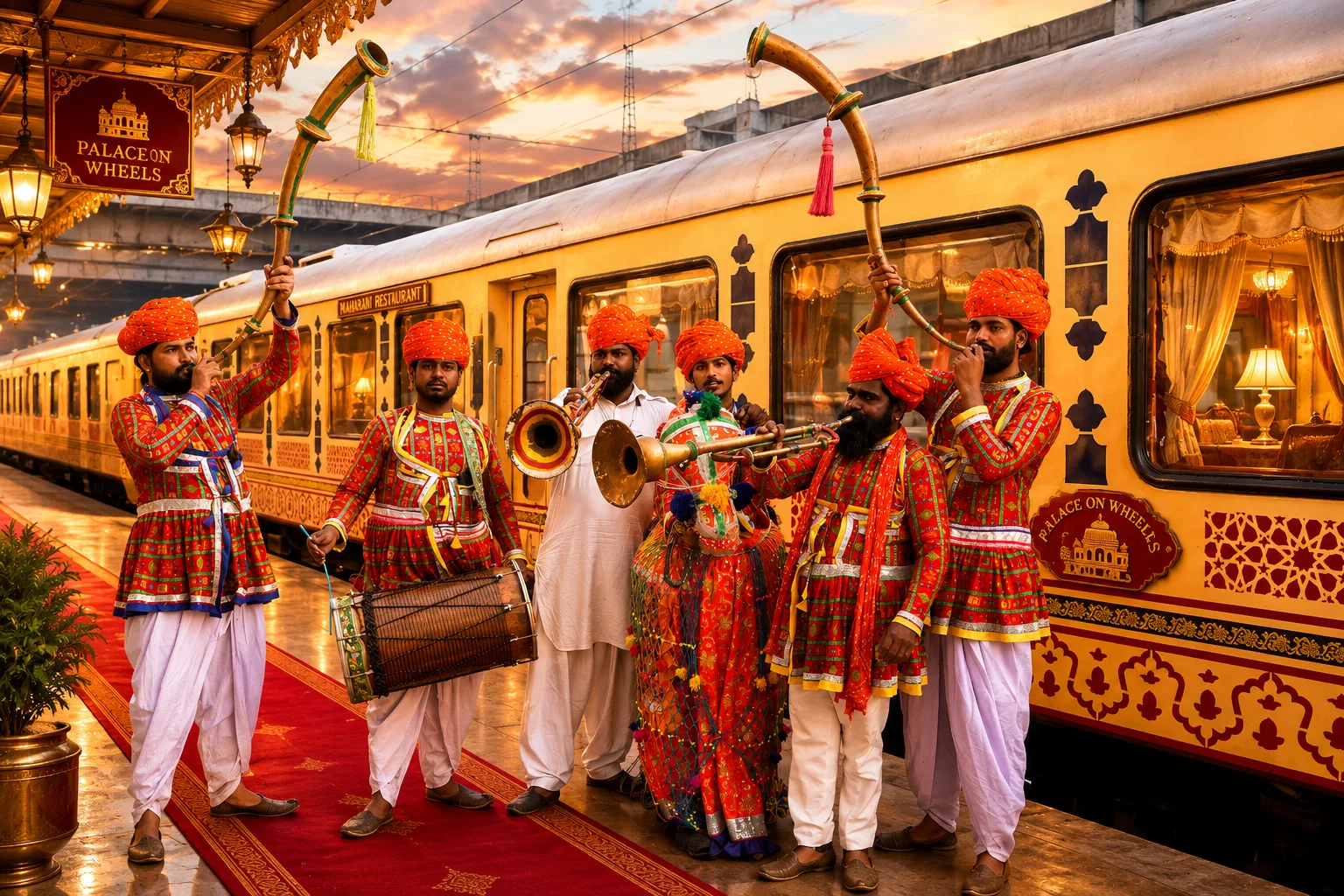
Palace on Wheels creates a setting in which celebrated destinations and quieter moments become part of the same story.
Long after the photographs have been organised, travellers may remember how the journey flowed, how the landscape changed and how it felt to temporarily belong to a moving world of heritage and hospitality.