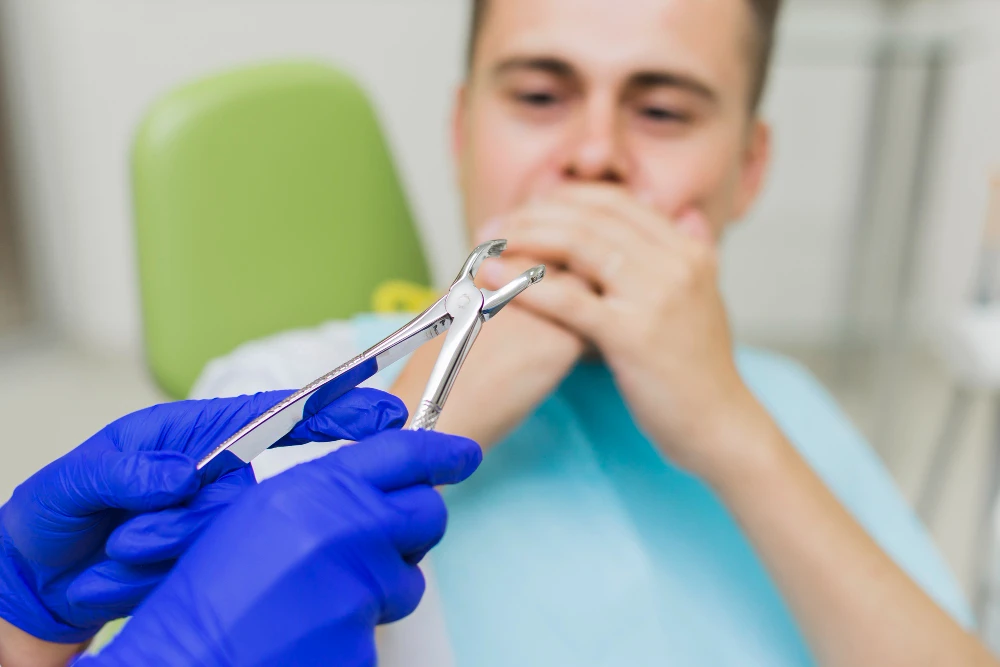
Dental issues can be uncomfortable, painful, and, in some cases, downright alarming. But not every toothache or broken tooth means you need to rush to the dental clinic immediately. Knowing when to seek help from an Emergency Dentist in Edmonton can save you from unnecessary stress—and help you act fast when it is a real emergency.
In this blog, we’ll walk you through what qualifies as a dental emergency, what can wait, and what to do in each scenario.
What is Considered a Dental Emergency?
A dental emergency is any situation involving your teeth or gums that requires immediate medical attention to stop bleeding, relieve severe pain, or save a tooth. It can also include infections that could become life-threatening if left untreated.
Some common dental emergencies include:
- Severe toothache
- Knocked-out tooth
- Cracked or broken tooth
- Dental abscess
- Uncontrolled bleeding
- Swelling that affects breathing or swallowing
If you’re ever unsure, it’s always best to contact a dentist in Edmonton for guidance. They can assess whether your situation is urgent or if it can wait for a regular appointment.
Signs You Should See an Emergency Dentist
Let’s explore some specific symptoms that signal you may need emergency dental care:
1. Severe Tooth Pain
If you’re experiencing sharp, throbbing, or persistent pain, especially when chewing or touching the area, it could indicate a deeper issue like an infection or an exposed nerve.
2. Knocked-Out Tooth
Timing is critical. If a tooth is knocked out, placing it back in the socket (if possible) and seeing a dentist within 30 minutes greatly increases the chance of saving it.
3. Cracked or Broken Tooth
A minor chip may not need immediate attention, but a large crack exposing the pulp (the center of the tooth) can lead to serious pain and infection.
4. Swelling in the Face or Jaw
Sudden swelling can signal an infection that may be spreading. If the swelling is accompanied by fever or difficulty swallowing or breathing, seek emergency help right away.
5. Bleeding That Won’t Stop
Bleeding after a dental procedure like an extraction is normal, but if it continues beyond a few hours or starts spontaneously, it needs immediate care.
These situations clearly require the help of a dentist in Edmonton trained in handling emergencies.
Common Dental Emergencies (and What to Do)
Here’s how to handle some of the most common dental emergencies before you can get to the dentist:
Toothache
Rinse your mouth with warm water and floss to ensure there’s nothing stuck between your teeth. Avoid applying aspirin directly on the gum—it can burn the tissue. If the pain is unbearable or swelling develops, seek urgent care.
Knocked-Out Tooth
Pick up the tooth by the crown (not the root), rinse it gently with water, and try placing it back in the socket. If that’s not possible, keep it in milk or saliva and see a dentist immediately.
Broken Crown or Filling
While it may not seem urgent, a broken crown or filling can lead to sensitivity and decay if not treated soon. A temporary dental cement (available at drugstores) can help until you get to a dentist in Edmonton.
Abscess
This is a serious infection near the tooth’s root or between the gum and tooth. You might notice a pimple-like bump on your gum. An abscess can cause severe pain and swelling and should be treated immediately.
What Is Not a Dental Emergency?
Understanding what doesn’t count as a dental emergency can save you time and money.
Examples of non-emergencies include:
- A dull toothache with no swelling
- A lost crown or filling with no pain
- Small chips or cracks not causing discomfort
- Minor sensitivity to hot or cold
- A mild gum irritation
While these issues still need professional care, they typically can wait a day or two to be addressed by your regular dentist in Edmonton.
When to Visit the ER vs. an Emergency Dentist
In some cases, dental emergencies can be life-threatening. You should go to the ER instead of the dentist if:
- You have uncontrollable bleeding
- There’s swelling making it hard to breathe or swallow
- You have a high fever along with facial swelling
- You’ve had an injury involving the jaw or face
Hospitals can manage trauma and stabilize your condition before referring you to a dentist for follow-up treatment.
Preventing Dental Emergencies
While not every dental emergency can be avoided, many can be prevented with good oral hygiene and regular dental visits. Here’s how:
- Brush and floss daily
- Wear a mouthguard during sports
- Avoid chewing hard objects like ice or pens
- Don’t use your teeth as tools
- Visit your dentist in Edmonton every six months for a check-up and cleaning
Preventative care helps catch problems early, so they don’t turn into emergencies later.
How to Prepare for a Dental Emergency
Just like you’d prepare for other emergencies, it’s a good idea to be ready for dental ones, too:
- Keep your dentist’s emergency contact info on hand
- Have a small dental emergency kit with gauze, dental cement, pain relievers, and a small container for knocked-out teeth
- Know the symptoms of serious infections
Acting quickly can save your tooth—and your health.
Conclusion: Where to Go in a Dental Emergency
If you or a loved one is facing a dental emergency, fast action makes all the difference. Whether you’re dealing with a knocked-out tooth, unbearable pain, or swelling, you need the support of a reliable Emergency Dentist in Edmonton.
At Albany Dental, we’re here when you need us most. Our experienced team provides same-day emergency dental care in a calm, caring environment. Your comfort and safety are our top priorities. If you're unsure whether your issue qualifies as an emergency, give us a call—we’ll help you figure out the next best step.
Don’t wait when it comes to your dental health. If you need help, Albany Dental in Edmonton is just a phone call away.