Construction zones are in constant motion—machinery humming, materials arriving, schedules tightening. But when the day ends and the site goes quiet, what protects those materials, tools, and progress from being targeted overnight? In San Jose, where active construction meets urban exposure, this question isn't theoretical. Without dedicated onsite security services, construction sites risk becoming open invitations to trouble.
From stolen copper wiring to unauthorized access that leads to injury, the dangers add up quickly. Each layer of protection missing from a site creates an opening for theft, vandalism, and costly liability issues.
Theft: A Silent Interruption to Construction Progress
Construction sites store valuable equipment and tools—prime targets for those looking to take advantage of weak security. Trucks left parked, tools temporarily set down, or copper materials not yet installed all carry resale value. And when no one is watching, the opportunity is hard to resist.
Security guards serve as a deterrent and a point of action, especially after hours. Their presence creates a barrier against quick thefts that could otherwise delay work for days. It's not uncommon for a single missing generator to cause setbacks that ripple through a week's schedule.
Without guards routinely patrolling and verifying site conditions, missing assets may not even be discovered until they're needed. Such delays impact not only productivity but also labor coordination and contractor timelines.
Preventable incidents don’t only create short-term disruption—they affect every dependent task scheduled around the lost resource or damaged area. One unsecured entry can lead to a chain of reassignments, tool replacements, or supplier delays that stall an entire build phase. These time losses add up, especially on fast-paced projects where a single day off schedule means rescheduling vendors and pushing back handoff dates.
Vandalism and Damage That Echo into the Timeline
Spray paint on concrete walls. Smashed windows in a newly installed trailer. Broken light fixtures or ripped tarps. These aren't isolated problems—they're signs of a site left exposed.
Once a site becomes a known target, repeat incidents often follow. A broken gate or unmonitored side access may not raise concerns at first, but who will be there to stop someone before they cross the property line with a crowbar or can of paint? Unchecked vandalism leads to both visual damage and project disruption. Graffiti needs removal. Damaged equipment needs replacement or repair. Work halts until these issues are resolved.
Guards trained for construction environments recognize these early warning signs. Their ability to patrol, document, and report keeps problems minor before they affect the bigger picture. Visible patrols add an extra layer of authority to a construction zone. It’s not about reacting after the fact—it’s about preventing the issue altogether. When security personnel are seen walking the perimeter, checking access points, and maintaining routine movement, it discourages loitering, tampering, and casual intrusion. That presence reinforces the idea that the site is always under watch, whether it’s 2 PM or 2 AM.
Liability That Stems from a Missing Presence
Construction sites carry built-in risk, even under strict safety procedures. Trenches, wiring, temporary stairs, and machinery all pose hazards—the concern multiplies when unauthorized individuals enter—especially after hours.
Access control becomes a critical layer of defense. Without it, the question isn't whether someone will enter but how quickly a single intrusion will result in an injury and who will be left accountable. Even when trespassers clearly shouldn't be there, liability concerns often land back on the site.
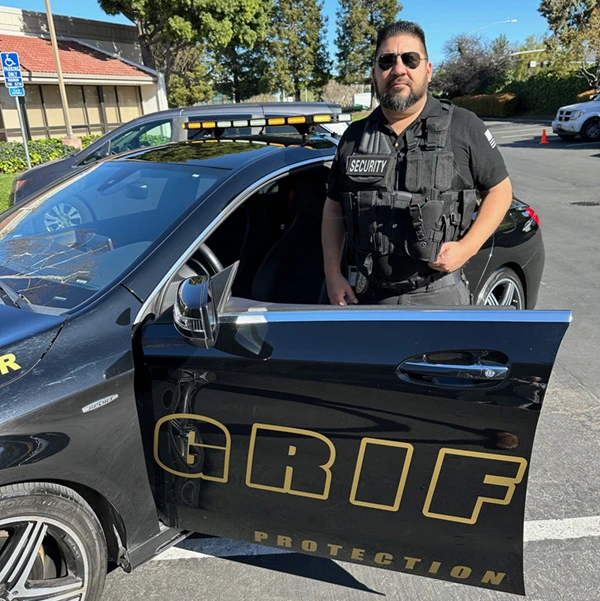
Security guards in San Jose are trained to manage access points, confirm identity, and create detailed reports that help document incidents. This support not only limits legal exposure but helps maintain the overall safety posture of the entire construction zone.
Active Monitoring, Not Passive Observation
Technology alone cannot assess behavior in real-time. A fence might be bypassed. A camera might record—but not react. In contrast, a trained security guard stationed on-site can identify unusual behavior, redirect unauthorized individuals, and support the smooth flow of daily operations.
That makes a measurable difference. A delayed delivery, for example, may require rerouting or holding access at the gate. Guards understand how to maintain order during those moments—who else on site is available to respond when something unfolds that doesn't follow the day's plan?
It's that blend of real-time action and site familiarity that distinguishes professional guards from passive systems. In high-pressure projects where timelines are tight, response time becomes essential.
Why San Jose Construction Projects Face Unique Risks?
In a growing city like San Jose, construction projects often happen in dense environments—next to roads, pedestrian traffic, and residential areas. The combination of location and visibility increases the likelihood of unwanted attention. Guards focused on construction security services bring local knowledge to the role. They understand the terrain, typical entry points, and how to engage with delivery drivers, vendors, or inspectors as needed. Their presence not only secures materials but also adds structure to a zone where constant activity requires some level of control.
The question isn't about whether security helps—it's what kind of project can afford to operate without someone actively watching over each stage of its progress.
Securing the Site Means Securing the Schedule
A construction project isn't measured only in what's built—but also in what's protected during the process. Delays from theft, damage, or unauthorized entry can cascade through budgets, contracts, and delivery goals. Site security guards reduce those risks by providing a consistent presence, active monitoring, and a point of contact for safety and access control.
In San Jose’s fast-paced development environment, the value of trained guards extends far beyond the surface. Their presence doesn’t just protect assets—it reinforces the stability, safety, and momentum a project needs from the first day to the final walkthrough.
Construction is a process filled with ambition, timelines, and trust. Those investing in development expect consistency and control. Guard presence supports that expectation, delivering oversight that construction crews, project managers, and developers can depend on. Security is not a background feature—it’s a quiet force that helps hold everything together, from the first concrete pour to the final inspection. Without it, the risk is never truly out of sight.
To learn more about the onsite security services, visit the website now!