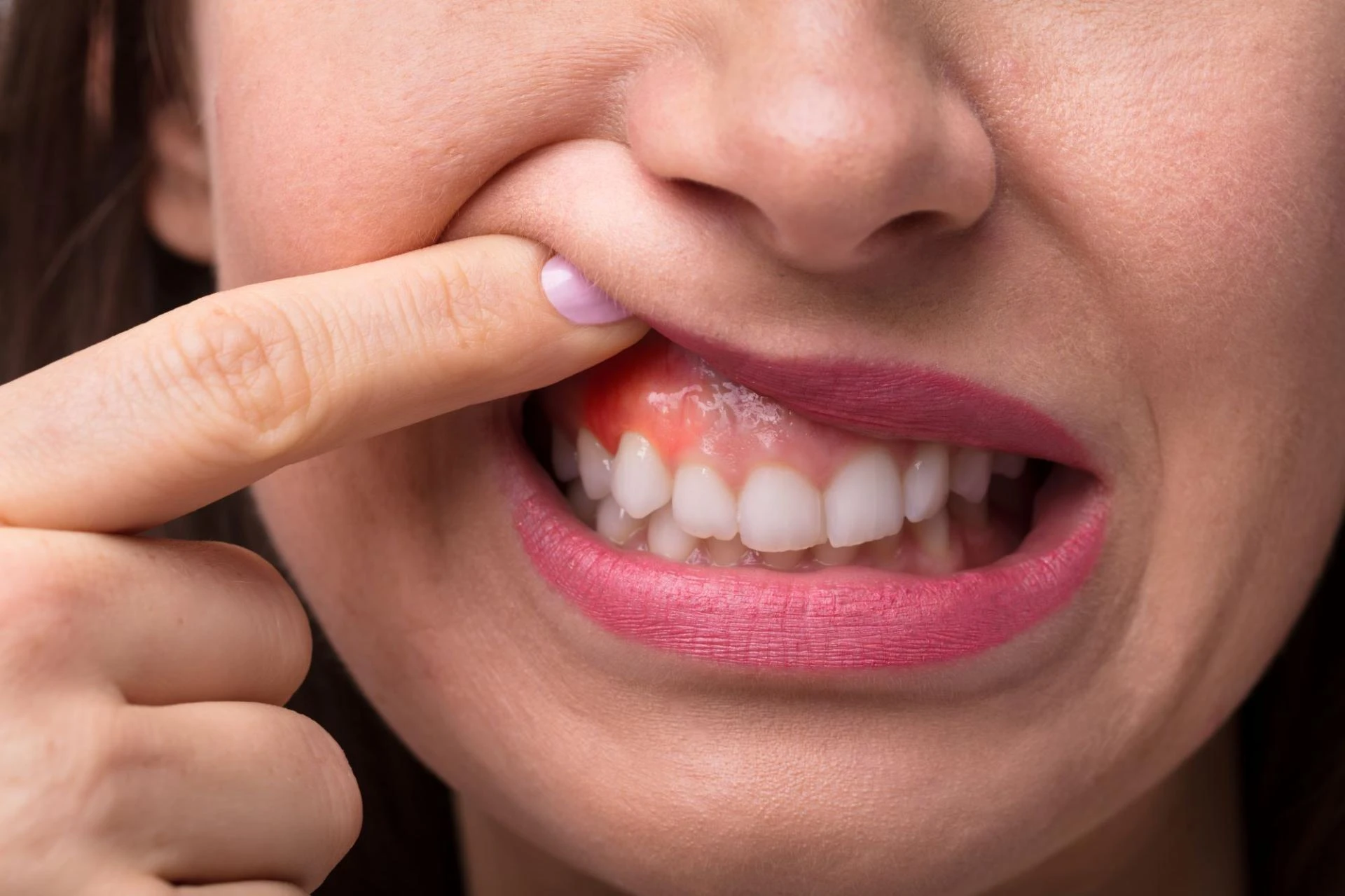
Tooth sensitivity is a common dental issue that affects many people at some point in their lives. If you feel a sudden sharp pain or discomfort when drinking something hot or cold, eating sweet foods, or even breathing in cold air, you may be experiencing sensitive teeth. While occasional sensitivity may seem minor, persistent discomfort can indicate an underlying dental problem that requires attention.
Understanding what causes tooth sensitivity and how it can be treated is important for maintaining good oral health. Identifying the root cause early can help prevent further damage and ensure that your teeth remain strong and comfortable.
Understanding Tooth Sensitivity
Tooth sensitivity occurs when the protective layers of the tooth become weakened or when the inner layer of the tooth becomes exposed. Beneath the enamel is a softer layer called dentin, which contains microscopic channels leading to the tooth’s nerve.
When dentin becomes exposed, external stimuli such as temperature changes or certain foods can travel through these channels and trigger nerve pain. This is why people with sensitive teeth often feel discomfort when consuming hot, cold, sweet, or acidic items.
Sensitivity may develop gradually or suddenly depending on the underlying cause.
Common Causes of Tooth Sensitivity
Several factors can contribute to tooth sensitivity. Understanding these causes can help you take preventive measures and seek appropriate treatment.
Enamel Wear
Tooth enamel is the hard outer layer that protects the inner structure of the tooth. Over time, enamel can wear down due to aggressive brushing, acidic foods, or natural aging.
When enamel becomes thin, the dentin underneath becomes exposed, making teeth more sensitive to temperature changes and certain foods.
Using a soft-bristled toothbrush and avoiding overly abrasive toothpaste can help protect enamel and reduce sensitivity.
Gum Recession
Healthy gums cover and protect the roots of your teeth. However, gum recession can expose the tooth roots, which do not have the same protective enamel as the rest of the tooth.
When the roots are exposed, sensitivity to hot, cold, or sweet foods can occur. Gum recession may be caused by gum disease, aggressive brushing, or aging.
Proper gum care and professional dental treatment can help manage gum recession and reduce discomfort.
Tooth Decay
Cavities are another common cause of tooth sensitivity. When decay damages the enamel, it creates openings that allow external stimuli to reach the dentin and nerves.
Tooth decay can lead to persistent sensitivity and may eventually cause tooth pain if left untreated. Early detection and treatment of cavities can prevent further damage and relieve sensitivity.
Cracked or Chipped Teeth
A cracked or chipped tooth can expose the inner layers of the tooth, leading to increased sensitivity. Even small cracks may allow bacteria to enter the tooth structure, potentially causing infection or pain.
Cracks may occur due to injuries, biting hard foods, or teeth grinding. A dentist can evaluate the damage and recommend appropriate treatment to restore the tooth.
Teeth Grinding (Bruxism)
Teeth grinding, also known as bruxism, often occurs during sleep and can gradually wear down tooth enamel.
Over time, this repeated grinding can expose dentin and lead to increased sensitivity. People who grind their teeth may also experience jaw pain, headaches, or worn-down teeth.
Dentists often recommend nightguards to protect the teeth from grinding damage.
Recent Dental Procedures
Some people experience temporary tooth sensitivity after dental treatments such as teeth whitening, fillings, crowns, or professional cleanings.
This sensitivity usually occurs because the teeth and gums have been temporarily irritated during the procedure. In most cases, the discomfort subsides within a few days.
If sensitivity persists for longer than expected, it is important to consult your dentist for evaluation.
Acidic Foods and Drinks
Frequent consumption of acidic foods and beverages can gradually weaken tooth enamel. Drinks such as soda, citrus juices, sports drinks, and wine contain acids that may contribute to enamel erosion.
When enamel becomes thinner, teeth become more vulnerable to sensitivity.
Reducing acidic food intake and rinsing your mouth with water after consuming these items can help protect your teeth.
Symptoms of Tooth Sensitivity
Tooth sensitivity may present itself in several ways. Common symptoms include:
- Sharp pain when eating or drinking hot or cold foods
- Discomfort when consuming sweet or acidic foods
- Sensitivity when breathing in cold air
- Pain when brushing or flossing certain teeth
These symptoms may occur occasionally or frequently depending on the severity of the underlying cause.
How Tooth Sensitivity Is Treated
The treatment for tooth sensitivity depends on the cause of the problem. A dentist can determine the underlying issue and recommend the most appropriate solution.
Desensitizing Toothpaste
Special toothpaste designed for sensitive teeth can help block the pathways that lead to nerve pain. With consistent use, these products may reduce sensitivity over time.
Desensitizing toothpaste works by strengthening the tooth surface and protecting exposed dentin.
Fluoride Treatments
Professional fluoride treatments can help strengthen tooth enamel and reduce sensitivity. Fluoride helps remineralize the tooth surface and provides additional protection against decay.
These treatments are quick, painless, and often recommended for patients experiencing mild to moderate sensitivity.
Dental Bonding
If sensitivity is caused by exposed dentin or minor tooth damage, dental bonding may be recommended.
Bonding involves applying a protective resin to the affected area, which helps cover exposed surfaces and reduce sensitivity.
This treatment can also improve the appearance of the tooth while protecting it from further damage.
Gum Disease Treatment
If gum recession or gum disease is the cause of sensitivity, treatment may focus on restoring gum health.
Deep cleaning procedures, such as scaling and root planing, can remove bacteria and plaque from below the gumline. Improving gum health can help reduce sensitivity and prevent further recession.
Nightguards for Teeth Grinding
For individuals who grind their teeth, a custom nightguard may be recommended.
Nightguards protect teeth from excessive pressure and prevent further enamel wear. They can also help relieve jaw discomfort associated with grinding.
Root Canal Treatment
In severe cases where sensitivity is caused by infection or nerve damage, root canal treatment may be necessary.
This procedure removes the infected tissue inside the tooth and seals it to prevent further damage. Although it may sound intimidating, modern root canal treatments are designed to relieve pain and restore tooth health.
Preventing Tooth Sensitivity
Preventive care plays a major role in protecting your teeth from sensitivity. Simple daily habits can help maintain strong enamel and healthy gums.
Some helpful preventive tips include:
- Brush gently using a soft-bristled toothbrush
- Use fluoride toothpaste to strengthen enamel
- Avoid excessive consumption of acidic foods and drinks
- Wear a nightguard if you grind your teeth
- Visit your dentist regularly for checkups and cleanings
Maintaining good oral hygiene and professional dental care can significantly reduce the risk of developing sensitive teeth.
Final Thoughts
Tooth sensitivity can make everyday activities such as eating, drinking, and brushing uncomfortable. While the condition is common, it should not be ignored, especially if the discomfort becomes frequent or severe.
Understanding the causes of tooth sensitivity allows you to take the necessary steps to protect your teeth and seek treatment when needed. Early dental care can prevent minor issues from developing into more serious problems.
If you are experiencing tooth sensitivity or other oral health concerns, visiting a trusted dental professional is the best way to identify the cause and receive the right treatment. At Hanover Family Dental, patients can receive comprehensive dental care designed to improve comfort, protect oral health, and keep their smiles healthy for years to come.