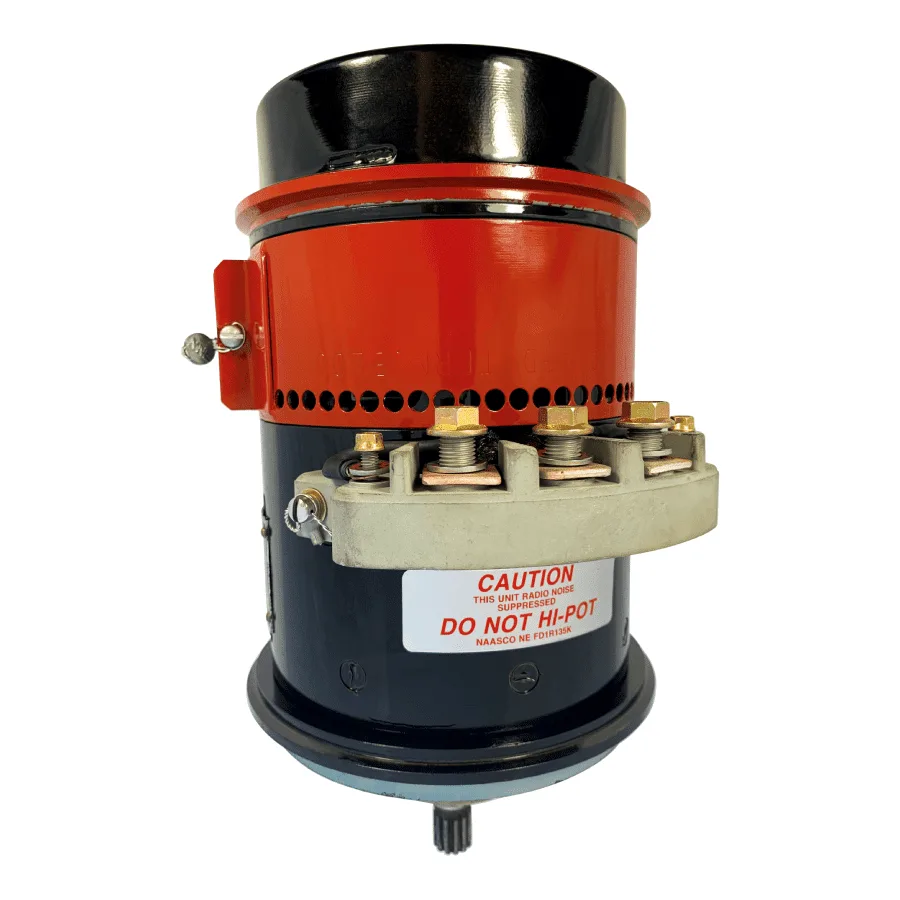
An aviation starter generator performs two essential functions in an aircraft. It helps start the engine and, once the engine is running, generates electrical power for the aircraft’s electrical systems. Because starter generators operate under repeated electrical and mechanical loads, normal wear, excessive heat, vibration, and component damage can gradually affect their performance. Understanding the common causes of starter generator failure can help operators identify potential problems early and plan timely maintenance.
What Causes an Aviation Starter Generator to Fail?
1. Normal Wear and Repeated Operating Cycles
Starter generators are exposed to repeated engine starts and operating cycles. Over time, components such as brushes, bearings, commutators, and other internal parts can experience normal wear. Aircraft that undergo frequent starts may place additional demands on these components. Regular inspection and scheduled maintenance can help identify wear before it develops into a more serious issue.
2. Excessive Heat and Electrical Loads
Starter generators operate under demanding electrical conditions. Excessive current, abnormal electrical loads, or inadequate cooling can increase operating temperatures. Prolonged exposure to excessive heat may damage insulation, electrical connections, and other internal components. Monitoring operating conditions and maintaining proper cooling can help reduce heat-related problems.
3. Vibration and Mechanical Stress
Aircraft experience continuous vibration during operation, which can place stress on rotating and mechanical components within the starter generator. Persistent vibration may contribute to bearing wear, loose connections, or other mechanical issues. If these conditions are not detected and corrected, they may eventually affect engine-starting performance and electrical output.
4. Poor Maintenance or Component Condition
Inadequate or delayed maintenance can allow minor issues to develop into larger failures. Corrosion, worn components, damaged wiring or connections, and problems from previous repairs can all affect starter generator reliability. Proper inspection, testing, repair, and overhaul are important for identifying and addressing these conditions before they cause unexpected operational disruptions.
How Can Operators Reduce Starter Generator Failures?
Regular inspections and functional testing can help detect developing problems before a starter generator fails in service. Depending on the condition of the unit, repair, overhaul, or exchange may be appropriate maintenance solutions. Following recommended maintenance procedures and addressing unusual starting or electrical performance promptly can also support reliable operation.
Conclusion
An aviation starter generator can experience failure due to normal wear, excessive heat, electrical stress, vibration, or deteriorated components. Timely inspection, testing, and professional maintenance can help reduce unexpected failures and support aircraft availability.
NAASCO provides starter generator repair, overhaul, exchange, and support solutions to help operators maintain reliable aircraft electrical systems.