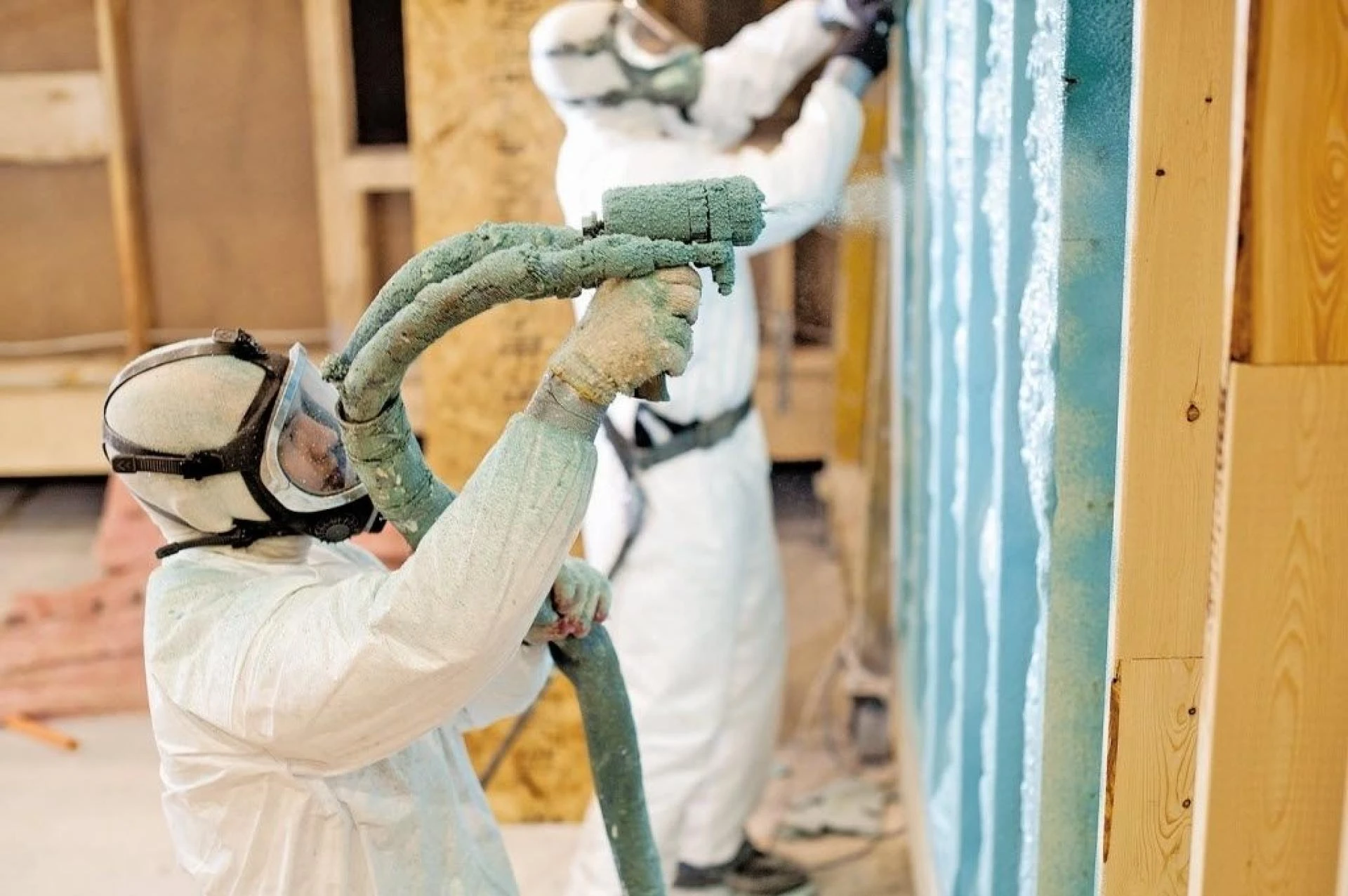
Building owners should focus on three main areas when evaluating a contractor: technical experience, safety records, and equipment reliability. A qualified company must demonstrate it can handle the scale of a commercial property while maintaining strict material standards. Asking for specific project history and proof of insurance helps protect the building investment from the start.
Selecting the right partner ensures that the thermal barrier performs as expected over the long term. Many owners prioritize the lowest bid, but this often leads to issues with poor material mixing or missed deadlines. A professional team provides clear answers about its process and the specific products it plans to use for the job.
This guide provides the necessary questions to filter out unqualified providers and find a reliable service. Expert advice suggests that the quality of the application is just as important as the material itself. By verifying these details, owners can ensure their facility remains comfortable and energy-efficient for decades.
Evaluating Professional Experience and Past Projects
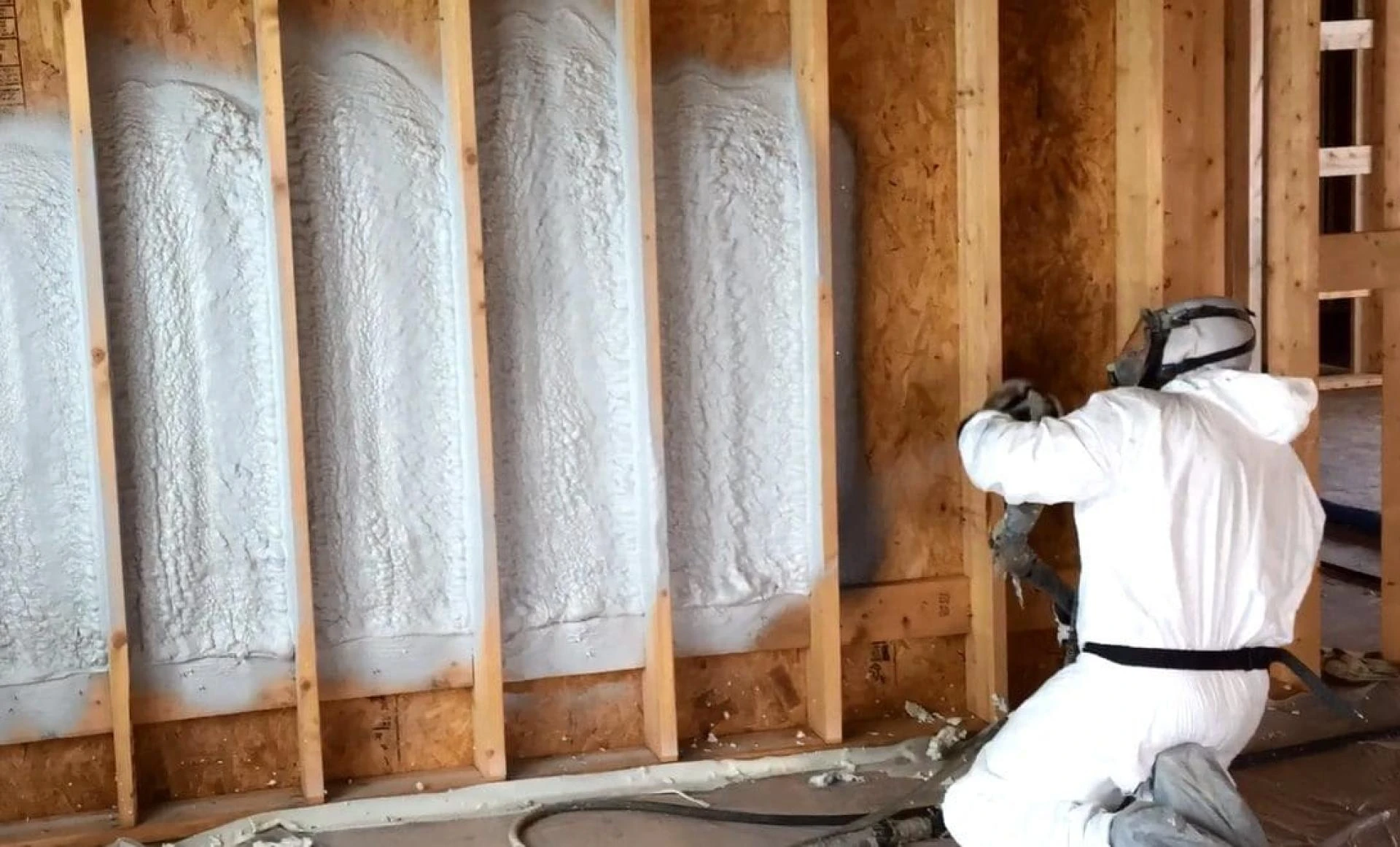
Owners should request a portfolio that includes buildings of a similar size and use to their own. A company that only handles small residential attics might not have the manpower or tools for a massive warehouse or office complex. Professional Commercial Spray Foam Insulation installers should be able to explain how they manage large-scale timelines and site logistics.
They should also provide recent references from other local business owners who can vouch for their work ethic. Speaking with a previous client reveals how the crew handles unexpected challenges or tight schedules. This step is a reliable way to gauge if the company respects the operational needs of a functioning business.
Understanding Specialized Credentials
Industry certifications show that a company stays current with the latest application methods and safety standards. Owners should ask if the technicians have undergone specific training from material manufacturers. This training ensures they know the exact settings required for the foam to expand and cure correctly in different weather conditions.
Checking Reference Accuracy
When calling references, ask about the cleanup process and whether the project stayed within the original budget. A professional team leaves the site clean and follows the financial terms agreed upon in the contract. These small details often separate high-quality providers from those who cut corners to save time.
Ask the reference whether the company met the agreed-upon energy-savings goals after the project was completed. This helps confirm that the material was applied at the correct thickness and provided the promised thermal resistance. It is the best way to see the real-world results of their work.
Verifying Equipment and Technical Reliability
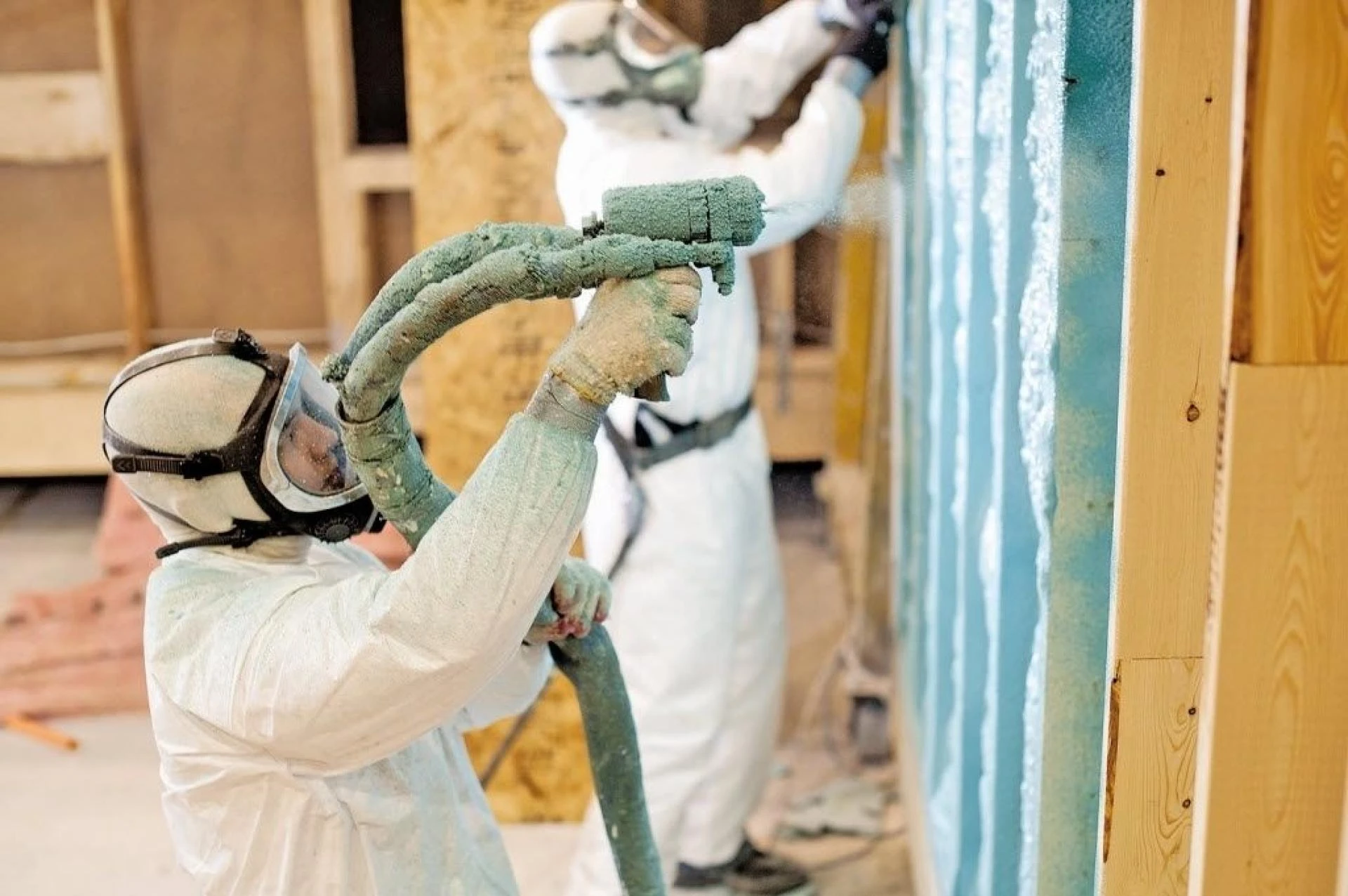
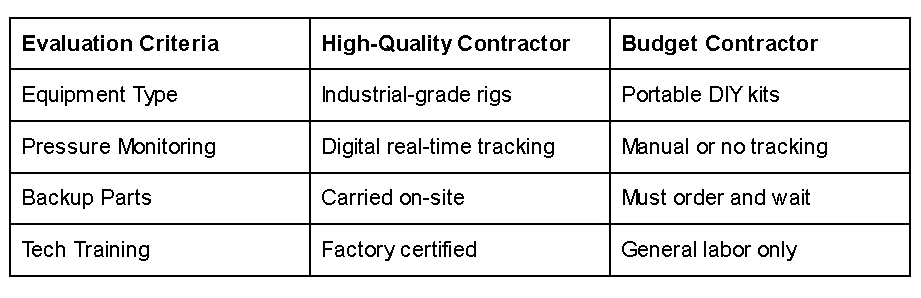
The quality of the equipment used on a commercial site directly affects the final insulation result. Commercial rigs are much larger and more powerful than the portable units used for small repairs. Owners should ask about the age of the equipment and how often the team maintains their spray guns and hoses.
Reliable contractors use advanced monitoring systems to track the material's temperature and pressure in real time. If these factors are off by even a small amount, the foam may not bond correctly or could remain soft. Professional services always keep detailed logs of these technical settings for every project they complete.
Assessing On-Site Problem Solving
Commercial projects often involve working around other trades like electricians or plumbers. Ask the contractor how they coordinate with other teams to avoid delays or damage to existing systems. A professional company has a clear plan for protecting windows, doors, and expensive machinery from over-spray.
Maintenance and Downtime
Ask what happens if a machine breaks down during the middle of a big application. A prepared company usually has backup parts or a second rig available to keep the project moving forward. Minimizing downtime is essential for commercial owners who need their buildings back in operation as soon as possible.
Inquire if the company uses heated hoses to maintain material consistency over long distances. In large buildings, the hose might need to reach several hundred feet from the truck to the application point. Without heated hoses, the material can cool down and lose its ability to expand properly.
Large warehouses often require very long hose runs to reach high ceilings or distant corners. Building owners should confirm the contractor has the reach necessary to cover the entire space without moving their heavy trucks constantly. This keeps the job site safer and more organized.
Safety Protocols and Insurance Coverage
Safety is a major concern on any commercial job site due to the height of the work and the nature of the materials. Owners should ask to see a copy of the company safety manual and their OSHA incident rates. A team that prioritizes safety reduces the risk of accidents that could delay the project or lead to legal issues.
Insurance is another non-negotiable factor that owners must verify before any work begins on the property. The contractor should carry general liability, workers' compensation, and specific pollution insurance. This coverage protects the building owner from being held responsible for injuries or accidental property damage.
Managing Site Ventilation
The application process requires careful management of air quality to protect other workers and occupants. Ask the contractor how they plan to ventilate the space and how long people should wait before returning to the area. Professional teams use high-powered fans and plastic barriers to contain the work zone effectively.
Verifying Liability Limits
Check that the insurance policy limits are high enough to cover the total value of the commercial property. Some smaller contractors carry minimum coverage that might not be enough for a multi-million dollar facility. A professional service will have no problem providing a certificate of insurance with the building owner listed as an additional insured.
Things to Consider Before Making a Decision
Before hiring a company, owners should consider the long-term goals of the building and the current energy costs. A higher initial investment in a top-tier contractor often leads to lower utility bills and fewer repairs later. It is also helpful to think about the timeline and how the work might disrupt daily business operations.
- Compare the warranties offered by different companies for both the material and the labor.
- Ask about the cleanup process and who is responsible for hauling away any waste material.
- Look at the financial stability of the company to ensure they will be around to honor their warranty.
- Consider the local reputation of the business within the Fresno area.
Questions About Commercial Hiring
How do I know if the foam was applied correctly?
Owners can request a "core sample" after the foam has cured to check the density and thickness. A professional contractor will happily show these samples to prove the work meets the project specifications. They also use thermal cameras to find any thin spots or missed areas after the application is done.
What is the typical timeline for a commercial job?
The speed depends on the total square footage and the difficulty of accessing the walls or ceiling. A skilled crew can typically cover several thousand square feet in a single day under the right conditions. The contractor should provide a detailed schedule that includes prep work, spraying, and the final cleanup phase.
Is the foam fire-rated for commercial use?
Yes, professional-grade foams used in commercial buildings must meet specific fire safety standards and building codes. Owners should ask for the technical data sheets that show the flame spread and smoke development ratings of the product. This information is necessary for passing inspections and keeping the building safe.
Can the foam be applied in cold weather?
Modern commercial rigs allow for application in various temperatures, but extreme cold can still be a challenge. Professional teams use specialized "winter blend" chemicals and heated equipment to ensure the foam bonds correctly in the winter. They will monitor the surface temperature of the building before starting the spray.
How much maintenance does the insulation need?
Once the foam is correctly applied and covered, it requires almost no maintenance for the life of the building. It does not sag, settle, or lose its shape like traditional insulation materials often do. This makes it a set-it-and-forget-it solution for busy property managers who want to reduce their workload.
Final Advice for Building Owners
Selecting a contractor is the most important step in ensuring a successful commercial insulation project. By asking the right questions, owners can find a partner that delivers high-quality results without compromising safety. Taking the time to verify these details now prevents costly mistakes and ensures the building remains a valuable asset for years.
Connect with Commercial Specialists
Finding a team that understands the specific needs of large-scale properties is essential for a smooth project. Many property owners in the region trust Supreme Spray Foam Fresno for their professional standards and reliable commercial services. They provide thorough assessments and help owners find the most effective solutions for their facilities. To discuss a project or request a detailed quote, call (559) 545-0800 to speak with a specialist. You can also send an email to [email protected] to learn more about their commercial capabilities. Working with an experienced local provider ensures the job is done right the first time.
Reviewer: Emma Robinson contributed her knowledge from 8 years of working in the spray foam industry. Her review helped shape this content, grounded in what contractors and homeowners actually value.