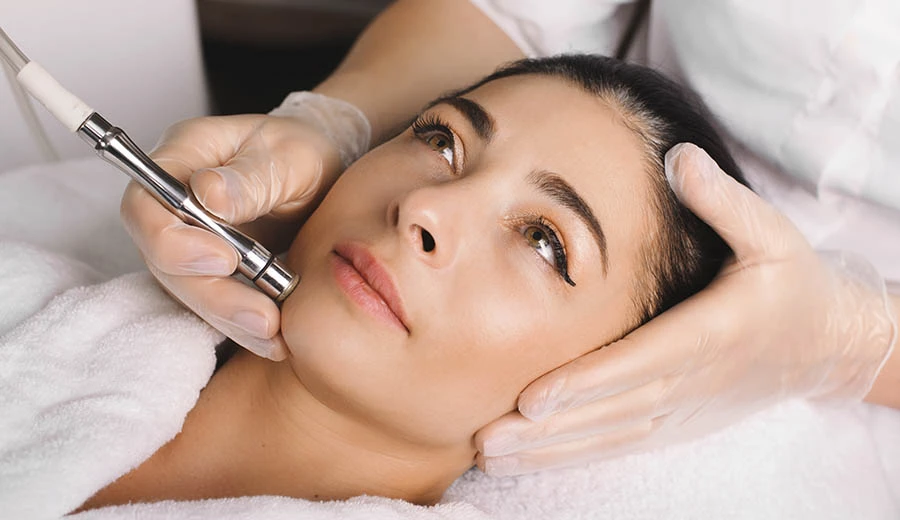
Microneedling has emerged as a cornerstone of modern aesthetic dermatology, offering a versatile solution for individuals seeking to enhance their skin’s natural vitality. Often referred to as Collagen Induction Therapy, this procedure leverages the body’s innate healing mechanisms to address a wide spectrum of dermatological concerns. In the context of advanced skincare, Microneedling Abu Dhabi stands as a prominent option for those looking to achieve a smoother, more youthful complexion through a minimally invasive approach. By creating controlled micro-channels in the skin, the treatment triggers the production of essential proteins, resulting in comprehensive structural improvements across various parts of the body.
- Microneedling is a minimally invasive procedure that uses fine needles to create micro-injuries, stimulating the skin's natural repair process.
- The primary goal of the treatment is to boost the production of collagen and elastin, which are responsible for skin firmness and elasticity.
- It serves as an effective alternative to more aggressive resurfacing techniques, providing noticeable results with shorter recovery periods.
- The versatility of the procedure allows it to be used on the face, neck, scalp, and various body areas to treat diverse skin conditions.
The Science of Collagen Induction
The effectiveness of microneedling lies in its ability to harness the body's biological response to minor stimuli. When the specialized device makes contact with the skin, it creates thousands of microscopic punctures. These are not deep enough to cause permanent damage, but they are sufficient to alert the immune system to initiate a "wound healing" cascade.
The Role of Fibroblasts
Fibroblasts are the cellular engines of the skin. During the healing process, these cells are activated to produce new Type I collagen. This newly formed tissue replaces older, damaged fibers, leading to a visible thickening of the skin's dermal layer.
Enhanced Nutrient Absorption
Beyond structural changes, the micro-channels created during the session act as temporary conduits. This allows topical serums—such as hyaluronic acid or vitamin C—to bypass the protective outer barrier and reach the deeper layers where they can be most effective.
- Micro-injuries trigger a natural healing response that leads to tissue remodeling and the birth of new skin cells.
- Increased fibroblast activity ensures that the skin becomes structurally sounder and more resilient over time.
- The creation of micro-channels significantly improves the delivery of nourishing topical agents.
- This biological "reset" helps in restoring a more uniform and radiant skin surface.
Facial Rejuvenation and Fine Lines
The face is the most common area treated with microneedling, as it is where signs of aging and environmental damage are most visible. The treatment is particularly adept at softening the appearance of "dynamic" lines—the ones that appear from repeated facial expressions—and the static wrinkles that settle in as collagen depletes with age.
Targetting Periorbital and Perioral Lines
Delicate areas around the eyes (crow’s feet) and the mouth (smoker’s lines) benefit greatly from the precision of modern microneedling pens. Because the depth of the needles can be adjusted, practitioners can safely treat these thinner-skinned regions to firm up the area and reduce sagging.
Refining Pores and Texture
Large pores and a rough skin texture are often the result of decreased elasticity around the follicular openings. By tightening the surrounding skin, microneedling helps the pores appear smaller and the overall skin surface more refined.
- Treatment on the face addresses common signs of aging like forehead lines and nasolabial folds.
- The adjustable needle depth makes it safe for sensitive areas around the eyes and lips.
- Regular sessions help in shrinking enlarged pores by improving the skin’s overall "grip" and firmness.
- The result is a smoother canvas that reflects light more evenly, creating a natural glow.
Addressing Scarring and Post-Acne Texture
One of the most transformative applications of microneedling is in the management of scars. Whether the scars are the result of adolescent acne, surgery, or minor injuries, the process of collagen remodeling can significantly alter their appearance.
Atrophic and Pitted Scars
For atrophic scars (those that appear as indentations or "ice-pick" marks), microneedling works by filling in the depressions from the bottom up. As new collagen is deposited, the depth of the scar decreases, eventually blending more seamlessly with the surrounding healthy tissue.
Breaking Down Fibrous Tissue
In the case of raised or older scars, the mechanical action of the needles helps break up the dense, knotted bundles of old collagen. This allows the body to re-lay the tissue in a more organized, flat pattern.
- Microneedling is a preferred method for reducing the visibility of various types of acne scars.
- The treatment helps to level out the skin surface by promoting new tissue growth in indented areas.
- Mechanical disruption of old scar tissue encourages the body to replace it with smoother fibers.
- Multiple sessions are typically recommended to achieve a significant reduction in deep scarring.
Improving Skin Tone and Hyperpigmentation
Uneven skin tone, sunspots, and melasma can be difficult to manage with topical creams alone. Microneedling provides a two-fold solution: it physically breaks up clusters of melanin (pigment) and accelerates the rate of cellular turnover.
Accelerating Cellular Renewal
By speeding up the process by which the skin sheds its top layer, microneedling helps move pigmented cells out more quickly. This brings fresh, evenly toned skin to the surface faster than the natural 28-day cycle would allow.
Sun Damage and Age Spots
Chronic sun exposure leads to "photodamage," appearing as dark patches. The rejuvenation process triggered by the needles helps to repair the damaged DNA in skin cells and redistribute pigment for a more balanced complexion.
- The procedure helps in fading dark spots by breaking down excess melanin deposits in the epidermis.
- Increased cell turnover ensures that dull, pigmented cells are replaced by healthy new ones.
- It is a safe option for various skin tones when managed by experienced professionals.
- When combined with brightening agents, the results for hyperpigmentation are often enhanced.
Body Contouring: Stretch Marks and Laxity
While often associated with the face, microneedling is highly effective for the body. Areas like the abdomen, thighs, and upper arms can lose their firmness due to weight fluctuations or aging.
Softening Stretch Marks
Stretch marks (striae) are essentially a form of dermal scarring. Microneedling can improve the texture and color of these marks by thickening the skin in the affected area and encouraging the production of new elastin.
Neck and Décolletage
The skin on the neck and chest is thin and often neglected, leading to "crepey" texture. Microneedling helps to tighten this skin, reducing the appearance of horizontal neck lines and sun-damaged "v-neck" patterns on the chest.
- The treatment is effective for reducing the prominence of stretch marks on the body.
- It helps in firming up loose or crepey skin on the neck and décolletage.
- Large surface areas like the thighs and stomach can be treated to improve overall skin quality.
- Body treatments often utilize deeper needle settings to reach the thicker dermis of these areas.
Scalp Health and Hair Growth
An emerging and highly successful use of microneedling is in the realm of hair restoration. By applying the same principles of micro-injury to the scalp, it is possible to stimulate the follicles and improve the environment for hair growth.
Stimulating Follicular Activity
The micro-channels created on the scalp trigger the release of growth factors that are essential for the hair's "anagen" (growth) phase. This can help "wake up" dormant follicles and increase the thickness of existing hair strands.
Enhancing Topical Hair Treatments
For individuals using topical hair growth solutions, microneedling acts as a powerful delivery system. It allows the active ingredients to reach the root of the hair follicle more directly, significantly increasing the efficacy of the treatment.
- Microneedling the scalp can help in addressing thinning hair and certain types of alopecia.
- The procedure increases blood flow to the scalp, providing essential nutrients to hair roots.
- It serves as an excellent adjunct to traditional hair restoration therapies.
- Clinical studies have shown that scalp needling can lead to increased hair density and diameter.
Frequently Asked Questions
Which areas of the body can be treated with microneedling?
Virtually any area of the body can be treated. While the face, neck, and chest are the most common, it is also frequently used on the stomach and thighs for stretch marks, the hands for age spots, and the scalp for hair thinning.
Is microneedling effective for all skin types?
Yes, one of the greatest benefits of this treatment is its safety profile across all skin tones. Unlike certain lasers that target pigment and may cause issues for darker skin, microneedling is a mechanical process that generally respects the skin's natural melanin.
How soon can I expect to see changes in my skin?
While some people notice a "glow" within a week, the structural changes—like collagen production—take time. Most significant improvements in texture, scarring, and fine lines become visible after several weeks as the skin completes its natural remodeling cycle.
Can I use my regular skincare products after the session?
It is usually recommended to stick to a very simple, hydrating routine for the first few days. Because the skin barrier is temporarily open, harsh active ingredients like retinols or strong acids should be avoided until the micro-channels have fully closed to prevent irritation.