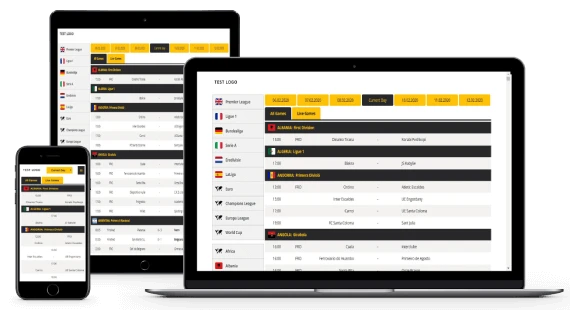
In the modern world, where sports organisations have gone digital-first, live data has ceased to be a luxury but rather a requirement. You are a sports betting site, a platform allowing fantasy leagues, or a sports news aggregator. A Live Score API will provide what is missing in your critical infrastructure that will keep your fans in daily touch with the latest results and data regarding a match, tea,m or player statistics.
What Is a Live Score API?
A Live Score API is a computer interface that allows programs to access live sport scores, statistics, and matches within a central server. The service enables developers and companies to present active sport data on their websites, mobile sites, or any other digital channel. The APIs act as a way to connect data providers (such as leagues, teams, or aggregators) and those consuming such data (such as fantasy apps, media platforms, or sportsbooks).
How Does a Live Score API Work?
A live score API works by pulling data every few seconds from various official or aggregating sources. This information is then formatted by the API and made available to the users who havethe authority to access the information. A simplified flow is as follows:
- Data Collection: Scores and stats are gathered from official sources or via third-party aggregation.
- Data Processing: The data is validated, structured, and optimized to ensure accuracy and performance.
- API Response: When a client (your app or website) sends a request, the API returns the relevant live score data almost instantly.
This process happens in near real-time, ensuring users always receive the most current data available.
Features of a Good Live Score API
Not all APIs are created equal. A high-quality Live Score API should include the following features:
1. Real-Time Updates
Instant data delivery is critical. Look for APIs offering latency as low as a few seconds for live matches.
2. Multiple Sports Coverage
While some APIs focus solely on football (soccer), others offer coverage across multiple sports including cricket, basketball, tennis, and more.
3. Historical and In-Game Data
Beyond just scores, top-tier APIs also offer in-depth player stats, team comparisons, and past match data.
4. Match Events
Events like red cards, goals, substitutions, and penalties should be available to offer a comprehensive experience.
5. Multi-League Support
Ensure the API covers all the leagues your audience cares about—from the English Premier League to regional and youth leagues.
6. Scalability
A good Tennis Api should support thousands of simultaneous requests, especially during major events.
7. Reliability and Uptime
Any downtime can disrupt your user experience. Look for providers that guarantee at least 99.9% uptime.
Use Cases of Live Score APIs
Live Score APIs are incredibly versatile and serve a wide range of purposes across industries:
1. Sports News Websites
News platforms use Live Score APIs to enrich their content with live stats and game results.
2. Fantasy Sports Platforms
Fantasy apps rely heavily on real-time data to update leaderboards and scores dynamically.
3. Betting Websites
Live sports betting requires instant updates to reflect odds, game events, and outcomes accurately.
4. Mobile Apps
Apps focused on specific sports, players, or events use APIs to offer customized real-time feeds.
5. Broadcasting and Media
TV and radio stations often embed live data into broadcasts and mobile apps to offer an immersive viewer experience.
Benefits of Integrating a Live Score API
Integrating a Live Score API offers numerous advantages:
- Real-Time Engagement
Engage your users with up-to-the-second updates, enhancing retention and session time.
- Automation
No need for manual updates. APIs automatically pull data and reflect it on your platform.
- Cost-Effective
Rather than building your own data collection infrastructure, you can plug into a reliable third-party system.
- Customizability
You can choose exactly what kind of data to display—be it specific sports, teams, or events.
Things to Consider When Choosing a Live Score API
Choosing the right Live Score API can greatly affect your application’s performance. Here are a few key considerations:
- Speed of Updates
How quickly does the data get updated? Fast updates are crucial, especially for betting platforms.
- Data Accuracy
Make sure the API uses verified sources to ensure the data is trustworthy.
- Ease of Integration
Look for platforms that offer good documentation, sandbox environments, and active customer support.
- Pricing Model
Some APIs charge based on requests, while others offer tiered monthly pricing. Choose based on your expected usage.
- Data Scope
Ensure the API covers the sports, leagues, and stats you need. Some APIs are very niche while others are broader in scope.
Security and Compliance
If your platform deals with sensitive user data, especially in the betting industry, security becomes a top priority. Make sure the API supports HTTPS encryption and is compliant with relevant data protection laws like GDPR or CCPA.
Frequently Asked Questions (FAQs)
1. What is the difference between a live score API and a sports data API?
A live score API focuses on real-time game scores and events, while a full sports data API may also include historical data, player bios, team stats, and much more.
2. Do Live Score APIs cover all sports?
Not always. Some APIs specialize in football (soccer), while others offer broader support for basketball, cricket, tennis, and more. Always check the API documentation for supported sports.
3. How often is data updated in a Live Score API?
Most high-end APIs update their data every few seconds during a live match, but the frequency can vary depending on the provider and plan.
4. Can I use a Live Score API for a free project or blog?
Many API providers offer free plans with limited access to data or throttled request limits. These can be suitable for personal projects or small blogs.
5. Are Live Score APIs legal to use?
Yes, but legality depends on how the data is sourced and how it’s being used. Make sure your provider has the necessary rights and licenses, especially if you’re using the data commercially.
6. How can I test a Live Score API before subscribing?
Most API providers offer demo accounts, trial keys, or sandbox environments to help you evaluate their services before making a purchase.
7. What happens if the API goes down during a live event?
Choose a provider with strong SLAs (Service Level Agreements) and uptime guarantees. It's also wise to have a backup provider in case of emergencies.
Final Thoughts
Socket Football API is an essential tool for anyone looking to deliver real-time sports data. From improving user engagement to streamlining backend operations, it serves a wide array of purposes. However, with so many options available, it’s critical to choose a provider that aligns with your specific needs—whether you're running a betting platform, news site, or sports app.