A good drink advert is not just another drink in a glass, but an experience. Although the essence of any cocktail or mocktail lies in its flavour, aroma, and balance, garnishes elevate it to the next level. These decorative elements might appear to be purely decorative; however, they do not serve only as decoration, as they have several functions that enhance the beverage experience. Garnishes are essential ingredients in amateur mixology and bartending, as they are used to increase the appeal of the beverage and to produce aroma and flavour.
1. Enhancing Visual Appeal
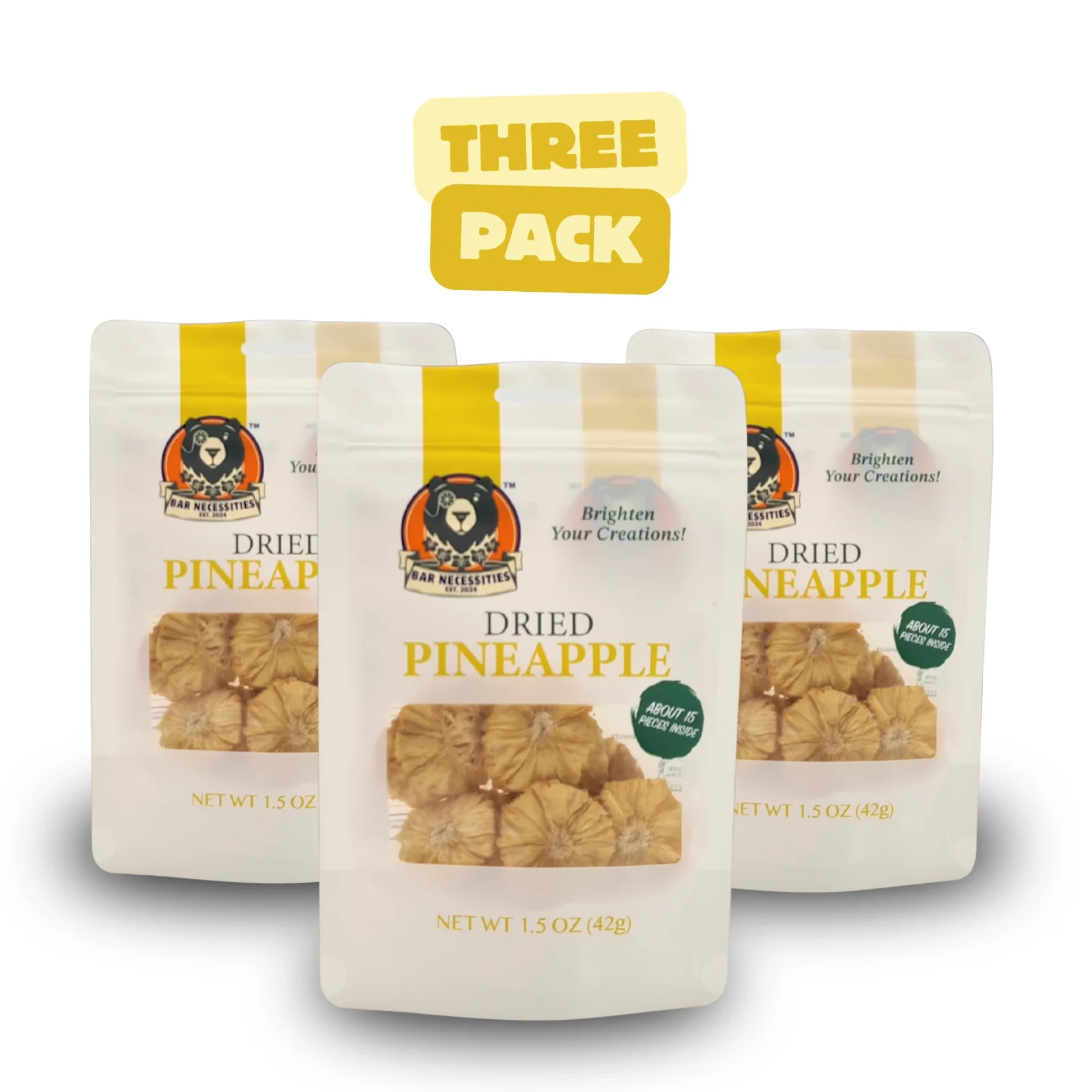
Dried pineapple garnish has its visual role of the first importance. It is normal for humans to judge food and drinks with their eyes before their palate. Even a tasting drink may be less attractive, though it is boring to look at.
How Garnishes Improve Presentation
- Colour contrast: Vibrant fruits like cherries, lemons, limes, and berries add a pop of colour, making drinks look attractive.
- Shape and texture: Spiral citrus zests, mint sprigs, edible flowers, and shaped ice cubes introduce interesting textures and forms.
- Thematic styling: Seasonal garnishes (cinnamon sticks in winter, fresh berries in summer) help create a theme and match the occasion.
Visually appealing drinks also enhance the overall hospitality experience—perfect for restaurants, bars, events, and social media photography.
2. Adding Aroma and Fragrance
Aroma plays a critical role in how the human brain interprets flavour. More than 70% of what we “taste” is influenced by smell. Garnishes are often chosen for their aromatic properties, which enhance the drink’s sensory depth.
Common Aromatic Garnishes
- Mint sprigs for mojitos and juleps
- Citrus peels (lemon, orange, grapefruit)
- Fresh herbs like rosemary, basil, or thyme
- Spices such as star anise, cloves, nutmeg, or cinnamon sticks
By stimulating the sense of smell, garnishes prepare the palate for the flavours that follow.
3. Complementing or Enhancing Flavour
Garnishes are not just about looks—they contribute directly to the drink’s taste profile. Some garnishes infuse subtle flavours into the beverage, while others are meant to be eaten along with the drink.
Ways Garnishes Add Flavour
- Infusion: Herbs or spices left in the drink slowly release flavour.
- Citrus oils: When you twist a lemon or orange peel, essential oils enhance its freshness and brightness.
- Fruit pieces: Pineapple wedges, cherries, or berries add sweetness.
- Salty or sugary rims: Margarita salt, spiced rims, and flavored sugar change the initial sip experience.
When chosen correctly, a garnish completes the drink's flavor story, adding balance and harmony.
4. Indicating the Drink’s Identity
In cocktails, specific garnishes often act as identifiers. For example:
- Olive in a martini: Instantly tells you it’s a dry martini.
- Lime wedge on a mojito or Cuba Libre: Classic signature style.
- Cherry and orange slice on an Old Fashioned: Traditional cocktail marker.
These signature garnishes help bartenders maintain consistency and guide customers when ordering.
5. Reflecting Style, Craftsmanship & Brand Identity
Dried lime slices for drinks represent a bartender’s creativity and attention to detail. They differentiate a premium craft cocktail from a basic mixed drink.
Examples of Creative Expression
- Dehydrated citrus wheels for a rustic, artisanal look
- Edible flowers for elegance
- Flamed citrus peel for theatrics and enhanced aroma
- Chocolate shavings on dessert cocktails for a gourmet touch
Bars and restaurants also use signature garnishes to reinforce their brand identity.
6. Increasing Perceived Value
A well-garnished drink feels more premium and luxurious. Customers associate attractive presentation with higher quality, making garnishes a subtle but effective marketing tool.
Perceived Value Elements
- Craftsmanship
- Fresh ingredients
- Attention to detail
- Elevated drinking experience
For events, weddings, and corporate gatherings, garnished drinks add a sense of sophistication that guests remember.
7. Providing Functional Utility
Some garnishes serve a practical purpose beyond decoration.
Functional Roles
- Stirrers: Cinnamon sticks or herb sprigs can be used to stir the drink.
- Ice holders: Pineapple leaves or edible stir sticks keep garnishes upright and visually stable.
- Ingredient clarity: Lime wedges indicate citrus content; celery sticks imply vegetable-based drinks like Bloody Marys.
- Flavor enhancers: Salt rims balance acidity and bitterness.
Functional garnishes help drinkers interact with the beverage more efficiently.
8. Creating Multi-Sensory Experiences
A well-prepared drink engages multiple senses—sight, smell, taste, and even touch. Garnishes help build this multi-sensory experience.
Examples
- Crushing mint releases sound and scent during preparation.
- Citrus zest adds texture and oils to the drink.
- Specialty ice cubes create a tactile cooling experience.
- Herbs provide a refreshing scent each time the glass is lifted.
These layered experiences make the drink memorable and enjoyable.
9. Supporting Themed Drinks & Seasonal Menus
Bars and restaurants often rotate menus based on seasons or events. Garnishes help express these themes clearly.
Seasonal Examples
- Winter: Cinnamon sticks, nutmeg, orange peel
- Summer: Watermelon wedges, tropical fruits, edible flowers
- Festive Drinks: Candy canes, glitter sugar rims, star anise
- Tropical Drinks: Pineapple leaves, coconut shavings
The right garnish sets the mood and enhances storytelling.
10. Encouraging Social Sharing (Especially on Social Media)
In the age of Instagram and TikTok, visually appealing drinks are more likely to be photographed and shared, giving businesses free promotion.
Well-crafted garnishes help drinks stand out online, attracting new customers and boosting brand visibility.
Conclusion
Cocktail garnish supplier Seattle plays a much deeper role than just decoration. They enhance the drink’s appearance, aroma, and flavour, serve functional purposes, reinforce identity, and elevate the overall drinking experience. Whether you are a professional bartender, a home mixologist, or simply someone who enjoys beautifully crafted beverages, understanding garnishes allows you to appreciate the artistry behind every drink.
FAQs
Why are garnishes important in drinks?
Garnishes elevate the overall drinking experience by enhancing visual appeal, adding aroma, improving flavour, and giving the drink a signature identity. They help make the beverage more enticing and enjoyable.
Do garnishes affect the taste of a drink?
Yes. Many garnishes such as citrus peels, mint, herbs, and fruits release subtle flavours that infuse into the drink. Salt or sugar rims also affect how the first sip tastes, adding extra layers to the flavour profile.
What types of garnishes are most commonly used?
Common garnishes include lemon and lime wedges, orange peels, cherries, olives, mint sprigs, rosemary, edible flowers, cinnamon sticks, and fruit slices. The choice depends on the drink’s style and flavour.
Are garnishes only for decoration?
No. Although garnishes enhance appearance, they also play functional roles—adding aroma, complementing taste, identifying the drink, and indicating ingredients. Some even help stir the drink or balance flavours.