
Hair loss can affect both appearance and confidence. Many people look for ways to restore their hair without major surgery. Modern hair restoration has made this process more refined. New tools and improved methods now help doctors plan treatment with greater care.
Minimally invasive procedures are becoming an important part of hair restoration. They aim to reduce tissue damage, limit visible scarring and support a smoother recovery. They also allow doctors to place hair follicles with greater control. However, the right method depends on each person's hair loss, scalp health and donor hair supply.
How Have Minimally Invasive Hair Transplant Methods Improved?
Modern hair restoration focuses on careful planning and precise work. Doctors now use smaller tools to remove and place hair follicles. This can help reduce damage to the scalp during treatment.
Better planning also helps doctors create a natural hairline. They can study the direction, angle and density of existing hair before the procedure. This helps the restored hair blend with the patient's natural growth.
A hair transplant is still a surgical procedure. However, improved techniques can make the process less invasive than older methods. Patients should remember that results depend on the surgeon's skill, the available donor hair and the healing process.
What Makes FUE a Leading Minimally Invasive Technique?
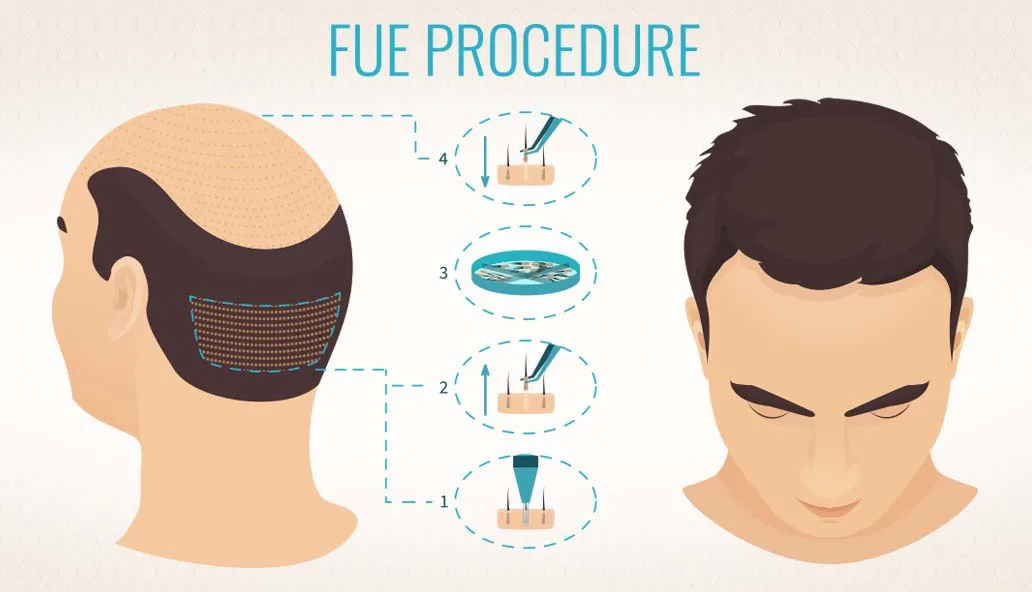
Follicular Unit Extraction (FUE) is one of the most widely used modern hair restoration methods. It involves removing individual hair follicles from a donor area, usually at the back or sides of the scalp. The surgeon then places these follicles into areas affected by hair loss.
A FUE hair transplant does not require the removal of a long strip of scalp tissue. This means it usually avoids the long linear scar linked with the older strip method. It may also allow patients to wear shorter hairstyles after healing.
Newer extraction tools can help surgeons work with greater accuracy. However, the quality of the result depends on careful follicle handling and proper placement. FUE is not scar-free, as small dot-like marks may remain in the donor area.
How Are Smaller Tools Improving Surgical Accuracy?
Modern hair restoration uses specialised instruments to remove and place hair follicles. Some clinics use fine punches to reduce unnecessary damage to the surrounding tissue. Smaller tools can also help the surgeon work with more control.
The size of the instrument alone does not guarantee a better result. The surgeon must select the right tool for the patient's hair type and scalp condition. Careful handling is important because damaged follicles may not grow as expected.
Newer methods also focus on protecting follicles outside the body. Keeping them in suitable conditions before placement can help maintain their quality. These small steps can make a difference to the outcome.
What Role Does Implanter Technology Play in Hair Restoration?
Implanter pens are used in some hair restoration procedures. They help the surgeon place prepared follicles into the recipient area. The tool can support control over the angle, direction and depth of each graft.
This method may help the team place follicles with care. It can also support a more organised workflow during surgery. However, an implanter pen does not automatically produce better results than other placement methods.
The surgeon's experience remains the most important factor. A natural-looking result needs careful planning, suitable graft placement and a good understanding of natural hair growth patterns.
How Is Digital Planning Changing Hair Transplant Procedures?
Digital tools are helping doctors assess hair loss and plan treatment. High-resolution photographs and scalp imaging can support a closer look at hair density and donor areas. Some systems can also help doctors compare hair growth over time.
This information can support better treatment planning. It may help the surgeon estimate the number of grafts needed and design a hairline that suits the patient's facial features.
Digital planning is a useful support tool, not a replacement for medical judgement. The doctor must still examine the scalp and understand the cause of hair loss before suggesting surgery.
Why Is Personalised Treatment Becoming More Important?
Every patient has a different pattern of hair loss. Some people have a receding hairline, while others experience thinning across the crown. Age, family history, hair thickness and donor supply can all affect the treatment plan.
A modern hair transplant treatment plan should consider both current hair loss and possible future changes. This is important because natural hair may continue to thin after surgery. A good plan should protect the donor area and avoid using too many grafts at one time.
Doctors may also discuss medical treatments where suitable. These can help manage ongoing hair loss, although they do not replace surgery in every case.
What Should Patients Expect from a Modern Hair Transplant Clinic?
Technology is important, but the quality of care matters just as much. Patients should choose a hair transplant clinic that offers proper medical assessment and clear information about the procedure.
The clinic should explain who will perform the surgery and what role each team member will have. Patients should also ask about the surgeon's training, experience and approach to donor hair management.
A reliable clinic will discuss possible risks, recovery time and realistic results. It should never promise perfect density or guaranteed growth. Clear advice helps patients make informed decisions.
How Does a Detailed Consultation Improve Treatment Planning?
A proper assessment is the first step towards safe and suitable hair restoration. During a hair transplant consultation, the doctor should review the patient's medical history, hair loss pattern and scalp condition.
The doctor may examine donor hair density and discuss the patient's expectations. This helps decide whether surgery is suitable and which method may work best. Some patients may need to manage an underlying cause of hair loss before considering surgery.
Patients should use this meeting to ask questions about scarring, recovery, possible side effects and long-term results. They should also ask what happens if hair loss continues after treatment. A clear discussion can help prevent unrealistic expectations.
What Are the Latest Improvements in Recovery and Aftercare?
Aftercare plays an important role in the success of hair restoration. Modern clinics provide clear instructions to help protect the treated area during early healing. Patients may receive advice about washing, sleeping, exercise and scalp care.
Smaller extraction and placement tools may help reduce tissue trauma. However, swelling, redness, tenderness and small scabs can still occur. Recovery varies from person to person.
Patients should follow their surgeon's advice and attend all planned reviews. They should avoid scratching or rubbing the treated area. It is also important to understand that visible growth takes time. New hair often starts to appear after several months, while the final result may take around a year or longer.
Can Robotic Systems and Artificial Intelligence Improve Hair Restoration?
Robotic systems and artificial intelligence are gaining attention in hair restoration. Some technologies can assist with identifying suitable follicles, analysing scalp images and supporting surgical planning.
These tools may help improve consistency and reduce some manual work. However, they are not a complete replacement for an experienced surgeon. Human judgement is still needed to assess the scalp, plan the hairline and manage the procedure.
Patients should ask whether a clinic uses these systems and how they support treatment. They should focus on the surgeon's experience and patient care rather than choosing a clinic only because it advertises advanced technology.
Conclusion
Minimally invasive hair restoration continues to improve through better extraction tools, digital planning and more precise graft placement. FUE remains a popular option because it avoids a long linear donor scar. Newer technologies may also support careful treatment planning and recovery.
However, no single technique is right for everyone. A safe and natural-looking result depends on proper assessment, skilled surgery and realistic expectations. Patients should understand the benefits and limits of each method before making a decision.
Want Hair Ltd believes that informed decisions are an important part of the hair restoration journey. Patients should seek professional advice, compare suitable treatment options and choose care based on medical needs rather than promises of quick results.