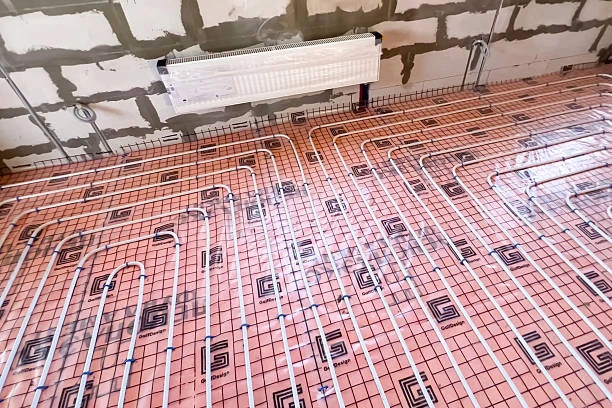
HVAC Blog Spot explores the many advantages of Radiant Floor Heating Systems, which go beyond simply keeping your home warm. While most homeowners appreciate the comfort of underfloor heating, these systems also provide long-term energy savings, improved indoor air quality, and enhanced design flexibility. Whether you choose hydronic floor heating or electric radiant heating, investing in a warm floor system offers both visible and hidden benefits that elevate your home environment.
From energy efficiency to reduced maintenance and quiet operation, radiant systems transform how homeowners experience comfort. In this guide, we uncover the lesser-known benefits that make radiant heating a preferred choice for modern home heating solutions.
Consistent Comfort Without Drafts
Unlike traditional forced-air systems, radiant heating distributes warmth evenly across floors and walls, eliminating cold spots and drafts. This creates a cozy and comfortable living environment, even in rooms with high ceilings or large windows. Radiant Floor Heating Systems maintain stable temperatures, improving overall home comfort.
Energy Efficiency That Saves Money
Radiant systems are designed to deliver heat directly where it is needed. This efficient energy use lowers monthly heating costs. Hydronic systems, in particular, can be integrated with high-efficiency boilers or solar water heaters, while electric systems provide zoned control for targeted heating. With proper insulation, a warm floor system can significantly reduce energy consumption compared to traditional heating methods.
Improved Indoor Air Quality
Since radiant systems don’t rely on blown air, they do not circulate dust, pollen, or allergens. This reduces respiratory irritants and improves indoor air quality, making it an excellent solution for allergy sufferers or households with children and pets. Homeowners enjoy cleaner, healthier air throughout their living spaces
Quiet Operation for a Peaceful Home
Traditional heating systems often produce noise from fans, ducts, and vents. Radiant systems operate silently, providing comfort without disrupting the home environment. This makes underfloor heating ideal for bedrooms, offices, and living rooms where quiet operation is essential
Flexible Design and Space Savings
With no bulky radiators or ductwork required, radiant systems free up wall and floor space. Homeowners have more freedom in interior design and furniture placement. Electric radiant heating can be discreetly installed under tile, stone, or engineered wood floors, while hydronic floor heating can run beneath entire floors without affecting aesthetics.
Compatibility With Various Flooring Types
Radiant heating works with a variety of flooring materials. Tile, stone, engineered wood, and some carpets are suitable when installed correctly. This flexibility allows homeowners to maintain their preferred flooring style while enjoying the benefits of consistent warmth from a radiant floor heating system
Durability and Low Maintenance
Both hydronic and electric systems are highly durable when installed properly. Hydronic systems benefit from corrosion-resistant piping, while electric systems use long-lasting mats or cables. Unlike traditional HVAC equipment, warm floor systems require minimal maintenance and have fewer moving parts, reducing the likelihood of breakdowns and repair costs.
Safe and Comfortable Environment
Radiant heating eliminates hot air blasts and exposed radiators, reducing burn risks and creating a safer home environment. The even floor temperature also prevents cold spots that can lead to condensation, mold growth, or moisture-related damage. Families enjoy a comfortable and secure living space year-round.
Zoning Capabilities for Customized Comfort
Many radiant systems allow homeowners to set different temperatures in individual rooms or zones. This zoning capability not only enhances overall comfort but also improves energy efficiency by conditioning only the areas in use. Hydronic and electric systems often include programmable thermostats and smart controls, enabling users to schedule temperatures according to daily routines or occupancy patterns. This level of control ensures optimal comfort in bedrooms, living spaces, and bathrooms while reducing unnecessary energy usage. Additionally, zoning allows for better integration with other home automation systems, providing convenience and personalized management of the indoor environment.
Long-Term Home Value Benefits
Installing Radiant Floor Heating Systems can significantly increase a home’s appeal and market value. Beyond the immediate comfort advantages, these systems are recognized for energy efficiency, low-maintenance operation, and quiet performance, which are highly attractive to prospective buyers. Additional benefits, such as improved indoor air quality, space-saving design without bulky radiators, and the durability of installed components, enhance the overall functionality and aesthetic appeal of the home. Investing in a high-quality underfloor system demonstrates modern, thoughtful home design and long-term practicality, making the property more desirable and potentially commanding a higher resale value.
Radiant Floor Heating Systems offer far more than just warmth. With hidden benefits like energy efficiency, improved air quality, silent operation, design flexibility, and zoning capabilities, these systems transform how homeowners experience comfort. By choosing HVAC Blog Spot’s expert guidance, you can select and install the right system, whether hydronic floor heating or electric radiant heating, to enjoy long-term value, efficiency, and comfort throughout your home.
Investing in a warm floor system ensures a cleaner, quieter, and more enjoyable indoor environment while reducing maintenance and energy costs.
FAQs1. How does radiant floor heating improve indoor air quality?
Radiant systems don’t circulate air, dust, or allergens, reducing respiratory irritants and creating a healthier home environment.
2. Can radiant systems save on energy bills?
Yes. Efficient heat transfer and zoning reduce energy consumption compared to traditional forced-air heating.
3. Are radiant floor systems noisy?
No. These systems operate silently, eliminating the fan and duct noise common with conventional HVAC systems.
4. What types of floors are compatible with radiant heating?
Tile, stone, engineered wood, and some carpets can be used with proper installation techniques.
5. How long do radiant floor heating systems last?
With proper installation and minimal maintenance, hydronic and electric systems can last 20 years or more.