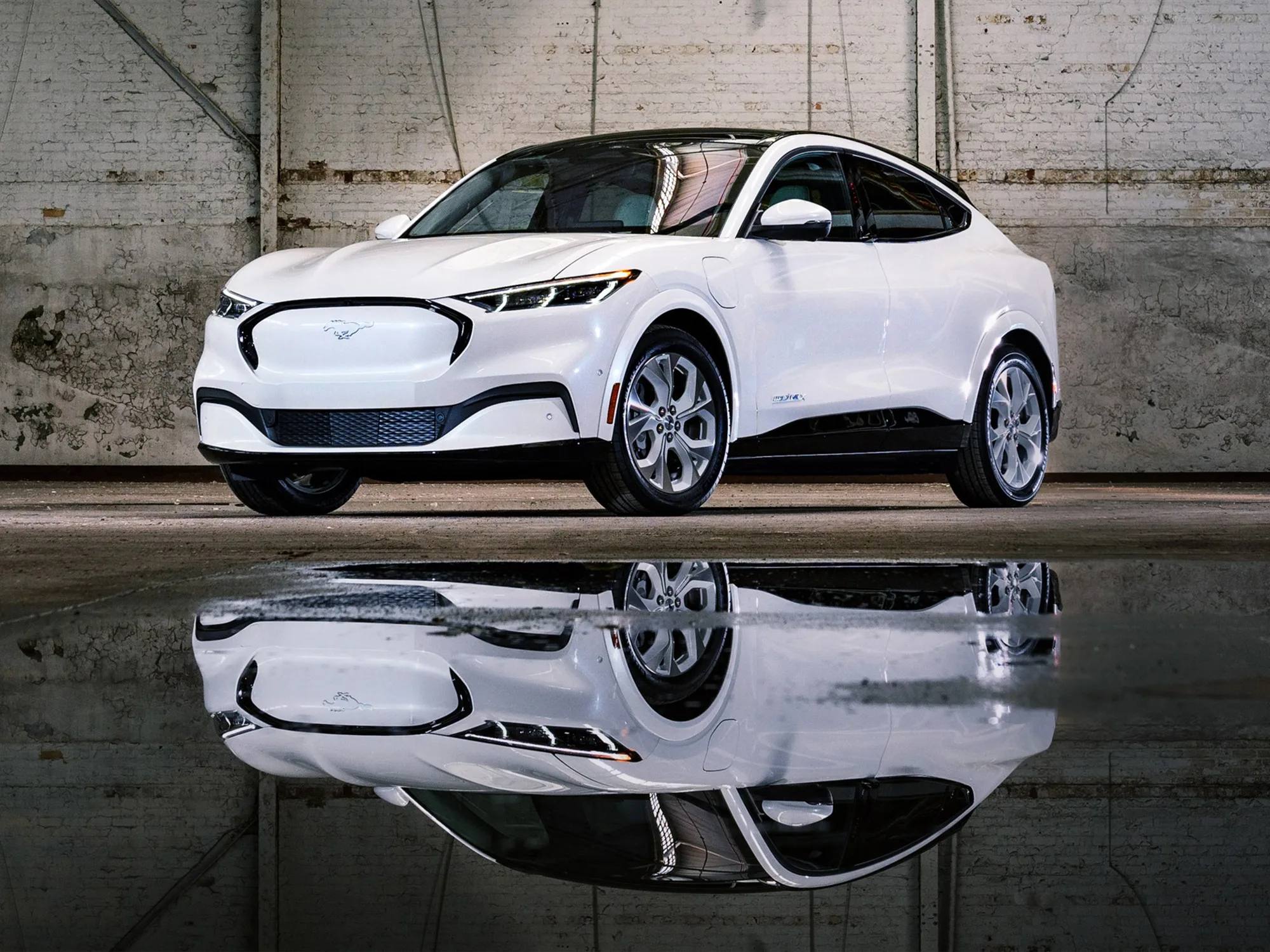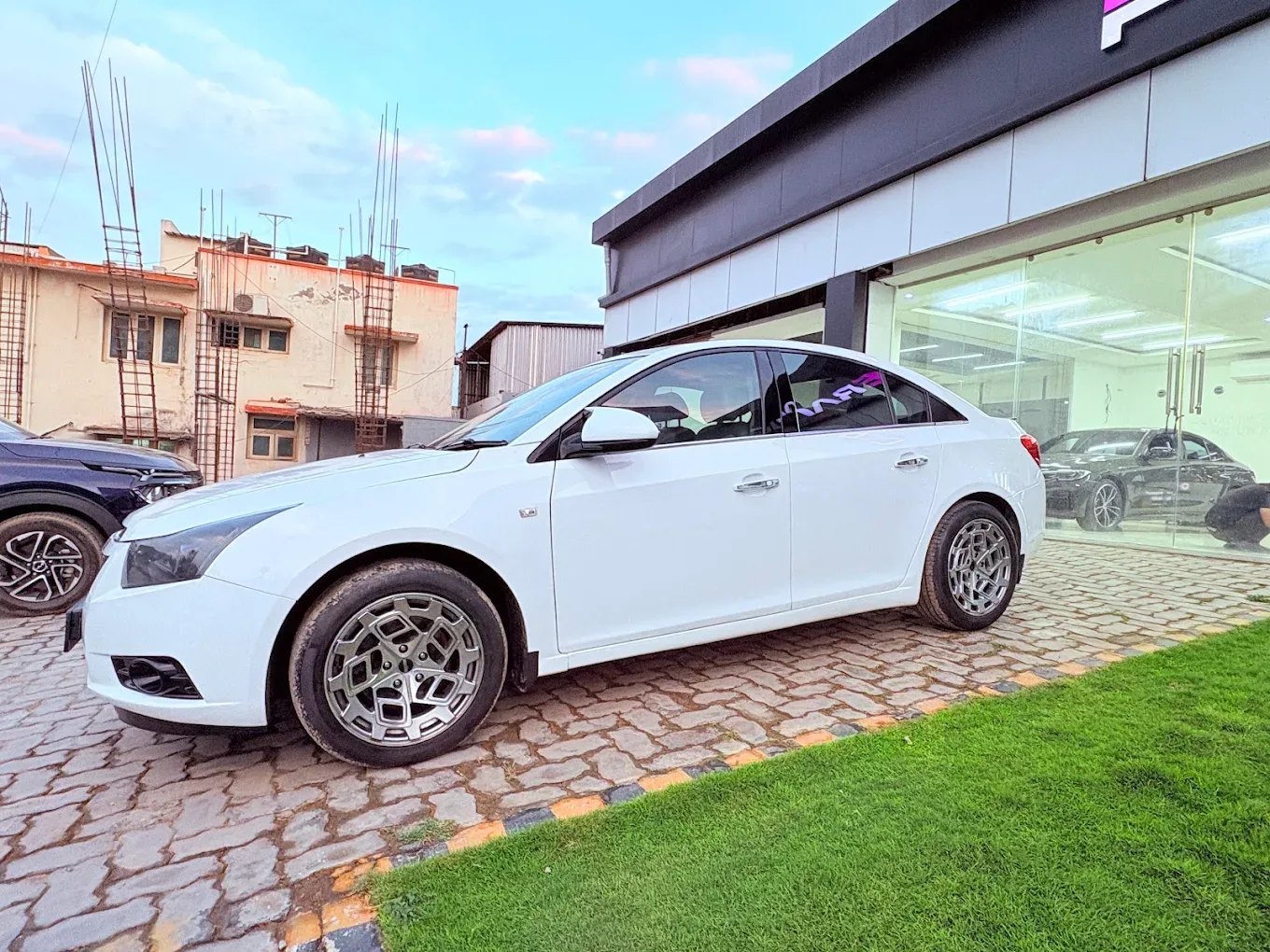
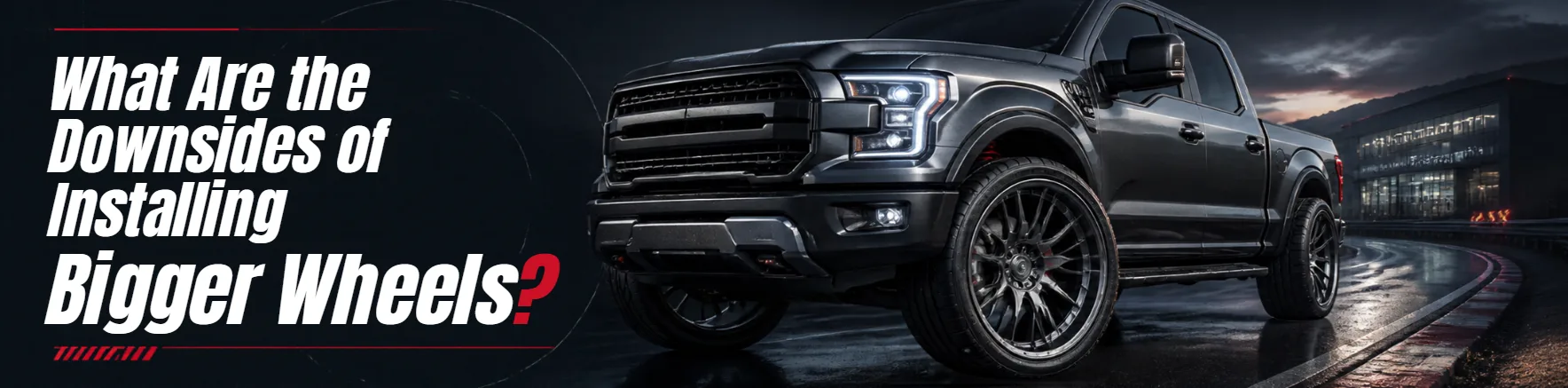
Putting bigger wheels on your vehicle can quickly change how it looks, making it appear more aggressive and noticeable on the road. Many drivers choose larger wheels for their trucks, SUVs, or cars to personalize their vehicles and make them stand out.
But bigger wheels are not always the best choice. They might look appealing, but they can also change how your vehicle rides, uses fuel, handles, and how much you spend on maintenance. Before you upgrade, make sure you know the possible downsides and how they might affect your daily driving.
What Are the Downsides of Installing Bigger Wheels?
Bigger wheels do more than just change how your vehicle looks. There are several factors that can influence their performance and maintenance requirements. Here are the six things to watch out for.
They Can Make the Ride Harsher
One of the first things you might notice with bigger wheels is that the ride feels less comfortable. Larger wheels usually need tires with shorter sidewalls to keep the overall size about the same. These low-profile tires look sportier, but they don't cushion the ride as much.
Tire sidewalls help soak up bumps from potholes and rough roads. When the sidewalls are shorter, you might feel more of these bumps inside the car. This can make both daily drives and long trips less comfortable.
When your tires absorb less impact, more shock goes to the suspension parts, which can cause them to wear out faster over time.
They Can Reduce Fuel Efficiency
Bigger wheels and tires can change how much fuel your vehicle uses. They often weigh more than the original wheels, so your car needs more energy to speed up and keep moving. Wider tires can also make it harder for your car to roll, so the engine has to work more. This can lower your fuel efficiency, especially in stop-and-go traffic.
How much bigger wheels affect your fuel use depends on the wheels, tires, and how you drive. Choosing lightweight wheels can help, but it's still smart to consider potential extra fuel costs before making a change.
They Can Affect Acceleration and Braking Performance
Heavier wheels add more weight that the car has to move, which can make it harder to speed up. You might notice slower acceleration and a less responsive feel, especially when starting from a stop. The extra weight can also make your brakes work harder. Heavier wheels and tires can sometimes mean it takes longer to stop.
Still, how well your brakes work depends on things like tire grip, brake parts, and your vehicle. Bigger wheels don't always mean worse braking, but picking wheels that are too heavy can hurt performance.
They Can Increase Tire and Wheel Damage
Bigger wheels usually mean shorter tire sidewalls, which don't protect as well against potholes, debris, or hitting curbs. Low-profile tires are more likely to develop bubbles, punctures, or other damage. A hard impact can also bend or crack a wheel, potentially requiring expensive repairs or replacement. Certain wheel finishes may also show scratches and curb damage more easily.
This is particularly important for drivers who regularly travel on gravel roads or poorly maintained pavement. Choosing a wheel-and-tire combination with sufficient sidewall protection can help reduce these risks.
They Can Increase Suspension and Maintenance Costs
Heavier wheels and bigger tires can put more strain on your suspension and steering parts. Things like ball joints, wheel bearings, tie rods, and bushings might have to handle more weight. If the wheels or tires don't fit right, it can make things worse by causing alignment problems, uneven tire wear, and handling issues.
You might also spend more on maintenance since bigger tires can be pricier to replace. Checking your tires regularly can help catch uneven wear, alignment issues, or damage before they turn into costly repairs.
They Can Cause Fitment and Clearance Problems
Not all vehicles are made for oversized wheels and tires. If you install bigger ones without checking if they fit, the tires might rub against the fenders, wheel wells, or suspension parts. This rubbing can get worse during sharp turns, when the suspension moves a lot, or if you're carrying heavy loads. If you don't fix it, it can damage your tires and nearby parts.
If your tires are the wrong size, your speedometer might not show the accurate speed. A big change in tire diameter can make the speedometer read differently from how fast you're really going. Before you upgrade, check the wheel diameter, width, offset, backspacing, tire width, and overall tire size to make sure everything fits and clears properly.
Choosing the Right Bigger Wheels Without Compromising Performance
Putting on bigger wheels doesn't always mean you'll lose comfort or performance. The important thing is to pick a setup that fits your vehicle and how you plan to use it. For drivers looking to customize their trucks or SUVs, Moto Metal Wheels offers aftermarket styling options to create a more aggressive look. However, appearance should not be the only consideration when selecting new wheels.
Begin by checking the recommended wheel size, weight, and load ratings. Your wheels need to handle your vehicle's weight and how you use it, especially if you often carry heavy loads or tow.
Think about choosing lighter wheels to help keep extra weight down. Keeping the right overall tire size also helps your speedometer stay accurate and keeps your car handling well.
It's a good idea to talk to a wheel and tire expert to make sure you have the right offset, backspacing, tire size, and enough clearance. Getting the fit right can help prevent problems and ensure your new wheels work well.
Are Bigger Wheels Worth Installing?
Deciding if bigger wheels are worth it comes down to what matters most to you and how you use your vehicle. If you care about looks and making your ride unique, larger wheels can be a great upgrade. They can give your truck or SUV a more standout and personal style.
But if you care more about comfort, saving fuel, and keeping maintenance costs down, smaller or stock wheels might be a better choice. They usually have more sidewall for a smoother ride and can handle daily driving and rough roads better.
Before you upgrade, think about how you drive, your budget, and what your vehicle needs. The best wheel size is one that looks good and performs well, without giving up one for the other.
Consider the Trade-Offs Before Upsizing
Bigger wheels can make your vehicle look better, but they might also change how it rides, uses fuel, speeds up, and how much you spend on upkeep. Knowing these downsides helps you decide what's best. In the end, the right wheels should look good without hurting safety, performance, or daily driving.