
What Are the Different Types of Plastic Injection Molding?
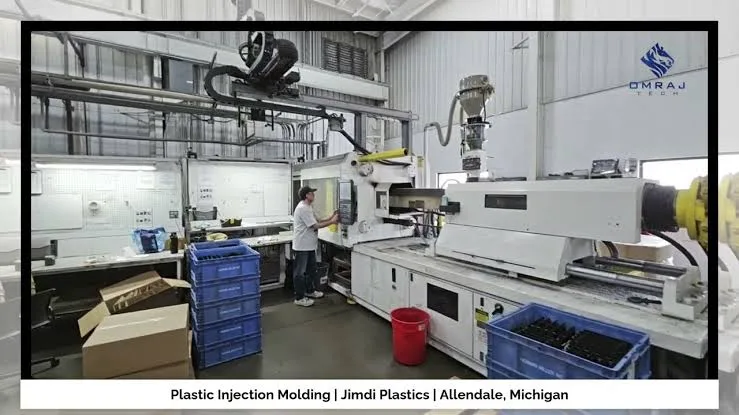
Plastic injection molding is a widely used manufacturing process for producing plastic parts with consistent shapes, sizes, and designs. It involves heating plastic material until it becomes molten and then injecting it into a mold under pressure. Once the material cools and solidifies, the finished part is removed from the mold.
Different injection molding methods are available depending on the part design, material, production volume, and required performance. Understanding these methods can help manufacturers choose the right process for a specific application.
What Is Plastic Injection Molding?
Plastic injection molding uses an injection molding machine, a mold, and plastic resin to manufacture components. The process generally includes several stages:
- Plastic pellets are fed into the machine.
- The material is heated until it melts.
- Molten plastic is injected into a mold.
- The material cools and takes the shape of the mold.
- The mold opens and the finished part is ejected.
The process can produce simple components as well as highly detailed parts for automotive, industrial, medical, consumer, and other applications.
Different Types of Plastic Injection Molding
1. Standard Injection Molding
Standard injection molding is one of the most common methods used to manufacture plastic components. Molten plastic is injected into a mold cavity under controlled pressure and temperature.
This method is suitable for producing a wide range of parts and can support both small and large production runs. It is commonly used when consistent dimensions and repeatable production are required.
2. Insert Molding
Insert molding combines plastic with another material, such as metal components. A preformed insert is positioned inside the mold before plastic is injected around it.
This process can reduce assembly requirements and create a finished component containing multiple materials. It is often used for components that require metal threads, pins, electrical contacts, or other inserts.
3. Overmolding
Overmolding involves molding one material over an existing component or previously molded substrate. The second material creates an additional layer around the first component.
Overmolding can be used to improve grip, appearance, insulation, protection, or product functionality. Common examples include handles, grips, and multi-material consumer products.
4. Two-Shot Injection Molding
Two-shot injection molding, also called two-material or 2K molding, uses two different materials or colors during the molding process.
The first material is molded into a component, followed by a second injection that adds another material or color. This method can create complex multi-material parts while reducing the need for secondary assembly.
5. Gas-Assisted Injection Molding
Gas-assisted injection molding introduces a controlled amount of gas, typically nitrogen, into the molten plastic during the molding process.
The gas helps create hollow sections within suitable parts, which can reduce material usage and part weight. It may also help improve dimensional stability and reduce certain molding defects when the process is properly designed.
6. Micro Injection Molding
Micro injection molding is designed for producing very small plastic components with precise features and tight dimensional requirements.
It is useful for applications where small, lightweight, and detailed components are needed. Industries such as electronics, medical devices, and precision manufacturing may use this type of molding.
7. Structural Foam Injection Molding
Structural foam injection molding produces plastic parts with a cellular core structure. A blowing agent is used to create the foam structure inside the molded component.
This process can produce larger parts with reduced weight while maintaining useful structural properties. It can be suitable for industrial housings, equipment components, and other large plastic products.
8. Liquid Injection Molding
Liquid injection molding uses liquid polymer materials that are mixed and injected into a mold. The material then cures inside the mold to form the finished component.
This process is commonly associated with materials such as liquid silicone rubber and can be useful for applications requiring flexibility, durability, or resistance to environmental conditions.
How Do You Choose the Right Injection Molding Method?
The appropriate molding process depends on several factors, including:
- Part size and geometry
- Required production volume
- Plastic material
- Dimensional requirements
- Surface finish
- Part strength and performance
- Number of materials or colors required
- Tooling requirements
- Production cost
- Application requirements
For example, standard injection molding may be suitable for many high-volume plastic components, while insert molding may be more appropriate when plastic must be combined with metal inserts.
Materials Used in Plastic Injection Molding
Different thermoplastic materials can be used depending on the application's requirements. Common materials include:
- ABS
- Polypropylene (PP)
- Polyethylene (PE)
- Nylon
- Polycarbonate (PC)
- PVC
- PEEK
- Acetal (POM)
Each material has different properties related to strength, heat resistance, chemical resistance, flexibility, and durability. Material selection should therefore be considered during the early stages of product and mold design.
Benefits of Plastic Injection Molding
Plastic injection molding offers several manufacturing advantages:
High Production Efficiency
Once the mold and process are properly established, large quantities of parts can be produced consistently.
Repeatable Parts
Automated molding processes can produce parts with consistent dimensions and appearance.
Complex Designs
Injection molding can produce components with detailed features, curves, ribs, bosses, and other design elements.
Material Options
Manufacturers can select from a wide range of plastic materials based on the requirements of the finished component.
Reduced Assembly
Processes such as insert molding and overmolding can combine multiple components or materials into a single molded part.
Why Work With Plastic Injection Molding Manufacturers?
Choosing experienced plastic injection molding manufacturers can help businesses address important factors such as material selection, mold design, production requirements, quality control, and part specifications.
A capable manufacturing partner can also help identify potential design or production issues before manufacturing begins. This can help improve production efficiency and reduce unnecessary tooling or manufacturing changes.
Custom Plastic Injection Molding for Specialized Parts
Not every plastic component can be produced using a standard design. Custom plastic injection molding allows manufacturers to develop molded components according to specific dimensions, materials, tolerances, and functional requirements.
Custom molding may be suitable for products that require:
- Unique shapes or geometries
- Specific dimensions
- Specialized plastic materials
- Multiple colors or materials
- Metal inserts
- Complex features
- Specific surface finishes
Working with the manufacturer during the design stage can help ensure that the part and mold are suitable for the intended production process.
Conclusion
There are several types of plastic injection molding, and each method is designed to address different manufacturing requirements. Standard injection molding is widely used for general plastic components, while insert molding, overmolding, two-shot molding, gas-assisted molding, and other specialized processes provide additional options for more specific applications.
The right process depends on the part design, material, production volume, performance requirements, and budget. By evaluating these factors early, businesses can select a molding approach that supports consistent and efficient production.
For companies looking for custom plastic injection molding, working with an experienced manufacturing partner can help turn product designs into reliable plastic components.