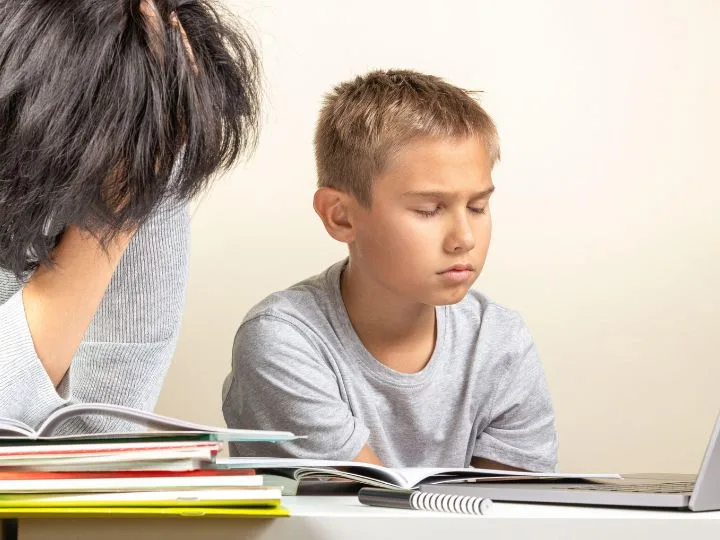
Supporting children with learning difficulties and auditory processing disorder (APD) requires a thoughtful, personalised approach. These conditions can make school, social interactions, and daily routines challenging for children, but with the right strategies, parents and educators can help them thrive. Understanding effective methods is essential for ensuring that kids not only cope but also build confidence and independence.
Understanding Learning Difficulties and Auditory Processing Disorder
Learning difficulties refer to a range of challenges that affect a child’s ability to acquire knowledge or skills at the expected pace. These can include struggles with reading, writing, mathematics, or attention. Auditory processing disorder, on the other hand, is a specific condition where a child has difficulty interpreting and processing sounds, even though their hearing is normal. Kids with APD may struggle to follow verbal instructions, distinguish similar sounds, or understand speech in noisy environments.
Both conditions can overlap, making learning and communication particularly tough. Recognising the signs early, such as frequent misunderstandings, slow academic progress, or frustration in group settings, is crucial for timely support.
Creating a Supportive Home Environment
A child’s home environment plays a pivotal role in managing learning difficulties and auditory processing disorder. Here are practical ways to make home life more supportive:
- Establish routines: Predictable schedules reduce anxiety and help children focus on tasks.
- Minimise background noise: Turn off televisions or music when giving instructions to help kids with APD process information clearly.
- Break tasks into smaller steps: Complex assignments can feel overwhelming; smaller, achievable steps boost confidence.
- Use visual aids: Charts, diagrams, and colour-coded materials make instructions easier to follow.
Parents should also foster open communication. Encouraging children to express their struggles and celebrate small achievements builds resilience and self-esteem.
Tailored Educational Strategies
School can be particularly challenging for children with learning difficulties and APD, but targeted strategies can make a significant difference.
Individualised Learning Plans
Collaborating with teachers to create an individualised learning plan (ILP) ensures that a child’s specific needs are addressed. ILPs may include modified assignments, extended time for tests, or the use of assistive technology.
Multi-Sensory Teaching Approaches
Children with learning difficulties often benefit from multi-sensory learning, which engages multiple senses simultaneously. This could involve:
- Reading aloud while following along with the text
- Using tactile activities, like tracing letters in sand
- Integrating movement with learning exercises
These methods reinforce information in different ways, helping children retain and understand concepts more effectively.
Classroom Accommodations for APD
For kids with auditory processing challenges, teachers can implement several practical adjustments:
- Seating the child near the front of the classroom to reduce background noise
- Giving instructions both verbally and in writing
- Repeating or rephrasing information when needed
- Allowing additional time for oral responses
These strategies not only enhance comprehension but also reduce the frustration that can lead to behavioural challenges.
Professional Support and Learning Disability Therapy
Engaging professionals specialised in learning difficulties and auditory processing disorder can provide structured guidance. Learning disability therapy sessions often focus on:
- Auditory training exercises: Activities designed to improve listening and sound discrimination skills
- Cognitive and memory support: Techniques that strengthen attention, processing speed, and working memory
- Language and speech support: Helping children understand and articulate information more clearly
Professionals also offer coaching for parents and teachers, ensuring that strategies are consistently applied both at home and in school.
Building Social Skills and Emotional Resilience
Children with learning difficulties and APD may experience frustration or low self-esteem, particularly if they struggle to keep up with peers. Social and emotional support is therefore essential:
- Encourage participation in group activities with structured support
- Teach problem-solving and coping strategies
- Celebrate effort and progress, not just outcomes
Peer support and social skills training can significantly improve a child’s confidence, making it easier for them to engage in learning and everyday interactions.
Summary
Managing learning difficulties & auditory processing disorder requires a combination of home support, educational strategies, and professional guidance. Creating a structured environment, incorporating multi-sensory learning, and applying classroom accommodations can help children navigate their challenges more effectively. Learning disability therapy provides targeted exercises to enhance processing skills, while emotional and social support builds confidence and resilience. With the right approach, children with learning difficulties and auditory processing disorder can develop the skills & self-assurance they need to succeed academically and socially.