
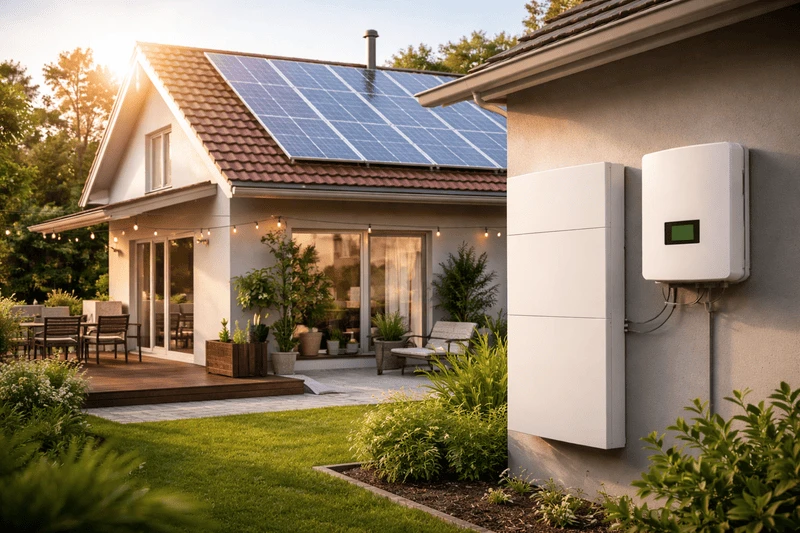
For years, solar panels have been seen as a straightforward way to reduce energy bills. They capture sunlight during the day and offset how much power you draw from the grid. Simple enough. But something has shifted in recent years. More homeowners are looking beyond panels alone and exploring how battery solar solutions fit into the bigger picture.
The interest isn’t just about saving money. It’s about control. How energy is stored, when it’s used, and how a home responds to changing conditions throughout the day all start to matter in a different way once batteries enter the conversation.
Moving From Generation to Storage
Traditional solar systems focus on generating electricity when the sun is out. The challenge is that this doesn’t always line up with when energy is actually used.
Most households use more electricity in the early morning and evening. That’s when lights are on, appliances are running, and heating or cooling systems are working harder. Unfortunately, it’s also when solar panels produce less.
Battery solar solutions address this gap. Instead of sending excess energy back to the grid during the day, that energy can be stored and used later. It shifts solar from something that works best during daylight hours into something that supports your home around the clock.
That shift may not seem dramatic at first, but it changes how energy flows through a home.
Why Timing Matters More Than Output
When people first consider solar, the focus is often on how much energy the system produces. But once storage is involved, timing becomes just as important as output.
Using stored energy during peak periods may reduce reliance on the grid when electricity is typically more expensive. It also means your home isn’t as dependent on external supply during those key hours.
This is where battery storage begins to feel less like an add-on and more like a central part of the system. It’s not just about producing power, but about deciding when that power is used.
A More Flexible Way to Manage Energy
One of the biggest changes that comes with battery storage is flexibility.
Instead of a fixed pattern where solar energy is used immediately or exported, you gain the ability to manage how energy moves through your home. Some systems allow for prioritising certain uses, such as running essential appliances or maintaining power during outages.
This flexibility becomes particularly useful in households with varying routines. Weekdays may look different from weekends. Seasonal changes can also shift energy use significantly.
Battery solar solutions adapt to these patterns, rather than forcing everything into a single, rigid schedule.
What Happens During Power Interruptions
Power outages are relatively rare in many areas, but when they do happen, they tend to catch people off guard.
Without a battery, a standard solar system typically shuts down during an outage for safety reasons. That means even if the sun is shining, the home may not have access to that energy.
With the right setup, battery storage may provide a level of backup. Essential circuits can remain powered, allowing basic functions like lighting, refrigeration, or internet connectivity to continue.
It’s not about running the entire home indefinitely, but about maintaining a degree of normalcy when the grid isn’t available.
Understanding System Size and Capacity
Choosing the right battery system involves more than picking a brand or model. Capacity and usage patterns play a major role.
A smaller battery might cover evening lighting and basic appliances, while a larger system could support more energy-intensive needs. The goal isn’t necessarily to store as much as possible, but to align storage with how energy is used.
This is where tailored advice becomes valuable. Looking at daily consumption, peak usage times, and seasonal variations helps determine what makes sense for a particular household.
For those wanting to explore how these factors come together, insights from Select Electrical solar battery solutions provide a practical overview of how systems are designed to suit different energy profiles.
The Role of Technology in Modern Systems
Battery systems today are far more advanced than earlier versions. Many come with monitoring tools that allow homeowners to see how energy is being generated, stored, and used in real time.
This visibility changes how people interact with their energy use. Instead of guessing, you can see patterns emerge. You might notice how certain appliances impact consumption or how much energy is stored by the end of the day.
Over time, this awareness often leads to more informed decisions. Small adjustments in usage can have a noticeable effect when paired with a storage system.
How Battery Storage Fits Into Broader Energy Trends
The rise of battery solar solutions isn’t happening in isolation. It’s part of a broader shift towards more decentralised energy systems.
Instead of relying entirely on large-scale infrastructure, homes are becoming more self-sufficient. Solar panels generate energy locally, and batteries store it for later use.
This doesn’t mean disconnecting from the grid entirely. For most households, the grid remains an important part of the system. But the relationship changes. It becomes more of a backup or supplementary source rather than the primary one.
Considering Long-Term Value
When evaluating battery storage, it’s easy to focus on upfront costs. While that’s an important consideration, it’s only part of the picture.
Long-term value often depends on how the system is used. Aligning storage with peak usage, reducing reliance on higher-cost grid electricity, and having backup during outages all contribute to the overall benefit.
There’s also the question of future energy trends. As electricity pricing structures evolve, having the ability to store and use your own energy may become more relevant.
These factors make battery solar solutions less about immediate returns and more about how a home’s energy system performs over time.
Common Questions That Come Up
One of the most frequent questions is whether adding a battery makes sense for an existing solar system. In many cases, it can be integrated, but the specifics depend on the setup.
Another consideration is how long a battery will last. Like any technology, batteries degrade over time, but modern systems are designed to maintain performance across many years of use.
There’s also interest in how much of a home’s energy needs can realistically be covered. The answer varies. Some households aim for partial coverage, focusing on key periods, while others look to maximise self-sufficiency.
Each approach comes with its own balance of cost, capacity, and flexibility.
Bringing It All Together
Adding battery storage to a solar system changes more than just how energy is stored. It shifts how energy is used, managed, and experienced within the home.
Instead of being tied to daylight hours, solar becomes part of a broader system that works throughout the day and into the evening. It allows for more control, more flexibility, and a different relationship with the grid.
For those considering battery solar solutions, the decision often comes down to how they want their home to operate. Not just today, but in the years ahead.