What a Good Infant and Toddler Classroom Looks Like: A Touring Checklist for Parents
You walk into a classroom and see tiny shoes by the door, blocks on a low shelf, and a teacher comforting a crying baby. It feels welcoming, but how do you know whether it suits your child?
A useful tour goes beyond colorful walls. It shows how adults respond to children, how the room supports exploration, and what happens during everyday routines. If you're also considering an IB Early Years Program for the future, remember that it serves a different age group from infant care. Start with what your baby or toddler needs now.

What Should a Good Infant and Toddler Classroom Feel Like?
A good room should feel safe, welcoming, and calm enough for children to settle while still giving them room to explore.
When a baby fusses, does someone respond? When a toddler struggles with a puzzle, does an adult offer patient support rather than take over?
Look around from a child's height. Are suitable toys and books accessible? Is there open space for crawling and moving? Some disorder from active play is normal; unsafe clutter or broken equipment is not.
What Should Parents Check During a Classroom Tour?
Focus on what you can observe, then ask staff to explain routines that aren't visible during a short visit.
AreaWhat to look forQuestion to askSupervisionAdults watching and listeningHow are breaks covered?RelationshipsWarm, responsive careWho is my child's main caregiver?Safe sleepClear cribs and firm, flat mattressesWhat is your sleep policy?HygieneClean changing areasHow are surfaces sanitized?PlayBooks, blocks, and floor spaceHow much play is child-led?RoutinesFlexible feeding and restHow are individual schedules followed?Family updatesClear information for parentsWhat daily updates will I receive?StaffingConsistent, attentive adultsWhat is the maximum group size?Outdoor safetySuitable, maintained play areasHow are children supervised outside?Also ask how the center verifies authorized pickup, communicates during emergencies, and handles illness or exclusion from care. Clear written policies are more reassuring than vague promises.
How Should Teachers Support Learning Through Play?
Young children learn through movement, repetition, relationships, and hands-on discovery. Good classrooms do not expect babies and toddlers to sit through lengthy lessons.
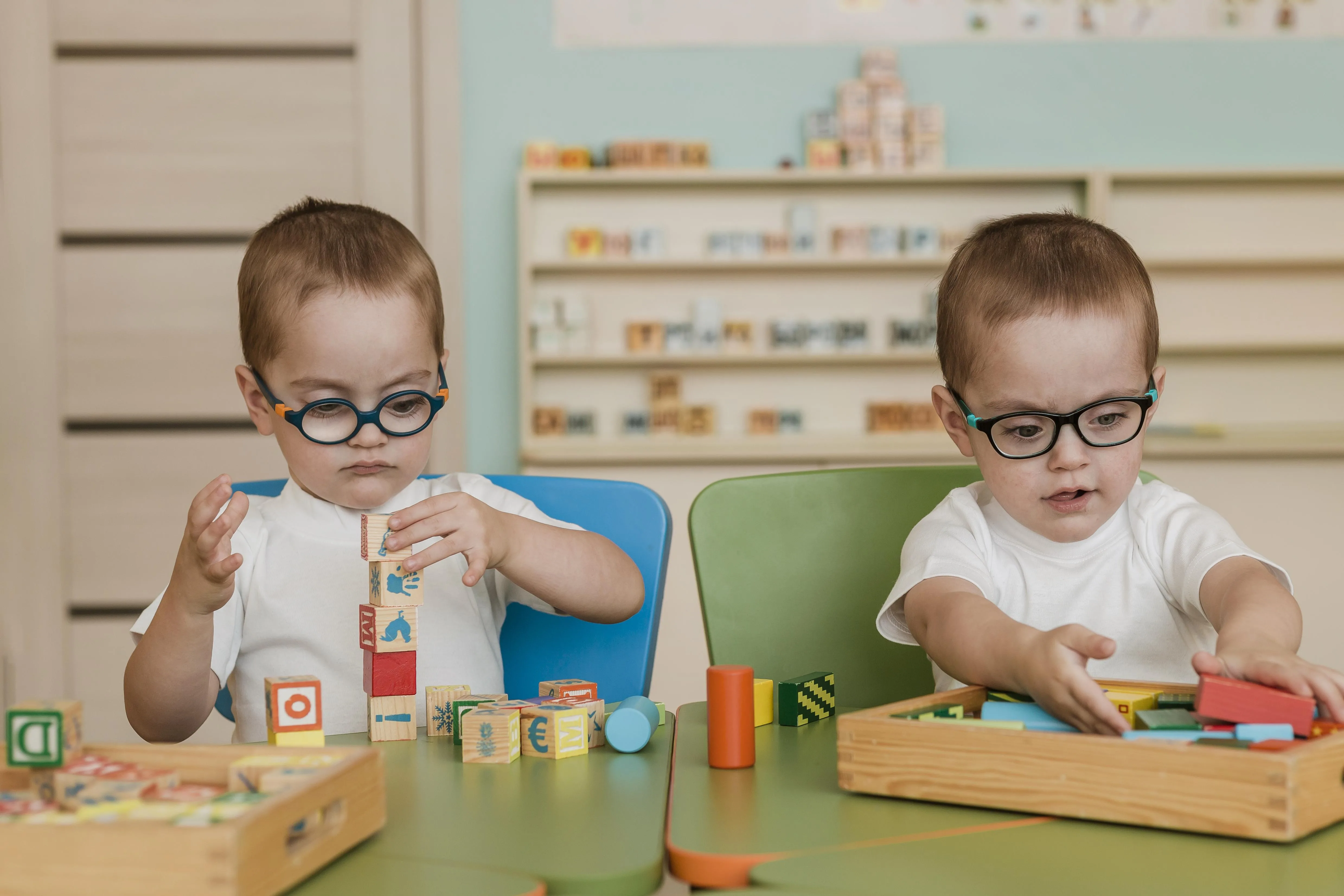
Imagine a toddler emptying a basket of blocks. A teacher might say, "You took them all out! Shall we put them back?" That exchange supports language and problem-solving.
Babies can explore during supervised floor play and listen to caregivers name familiar objects. Toddlers benefit from books, songs, pretend play, and chances to try simple tasks independently.
How Does the IB Early Years Program Relate to Infant and Toddler Learning?
The formal International Baccalaureate® Primary Years Programme (PYP) early years provision serves children aged 3–6; it is not an infant or young-toddler programme. The official IB early years guidance describes play, inquiry, relationships, and opportunities for children to make choices.
For parents researching an IB Early Years Program, the relevant connection is an educational approach to consider as their child grows, not a quality standard for infant classrooms. Curiosity can be nurtured earlier through responsive conversation and age-appropriate play, without calling those experiences the formal IB® Early Years curriculum.
If a school refers to its IB program curriculum, ask which ages it covers and how younger children's care is organized separately.
What Questions Should You Ask the Teachers?
Good questions uncover what happens on an ordinary day, beyond the brochure.
- Who comforts my child when their usual caregiver is absent?
- What infant or toddler qualifications and hands-on experience do caregivers have?
- How often do staff leave or change rooms, and how do you help children build stable relationships?
- Are current first-aid and infant CPR certifications held by the appropriate staff?
- What is the adult-to-child ratio and maximum group size throughout the day?
- How do you manage separation anxiety, feeding needs, and allergies?
- Can I review licensing and inspection information?
Pro tip: Visit during regular playtime if possible. A typical routine can be more revealing than an empty classroom.
What Warning Signs Should Parents Notice?
Watch for repeated moments when children's cries or requests go unanswered, harsh discipline, broken or unsafe equipment, or staff unable to explain supervision and safety procedures.
One hurried exchange during a brief tour does not necessarily reflect everyday care. Look for patterns, ask follow-up questions, and act on serious safety concerns, even if you observe them only once even if you observe them only once. A trustworthy program should welcome reasonable questions.
How Can You Compare Programs After Visiting?
Use the same questions at each visit, then compare notes while your observations are fresh.
- Caregiver relationships: Were adults warm, responsive, and attentive?
- Staffing and continuity: Were qualifications, coverage, and group sizes explained?
- Safety: Were sleep, pickup, emergency, illness, and outdoor policies clear?
- Play and routines: Did materials and schedules match children's ages?
- Family communication: How will you hear about meals, naps, and progress?

Quick Facts
- Responsive caregivers matter more than elaborate classroom decoration.
- Infant routines should accommodate individual needs.
- IB PYP early years is designed for ages 3–6, not infants.
- Local rules, not a universal ratio, determine licensing minimums.
Choosing the Right Classroom for Your Child
Choosing the right infant or toddler classroom goes beyond colorful toys and attractive spaces. It's about finding a nurturing environment where your child feels safe, supported, and encouraged to explore.
Pay attention to how teachers comfort children, encourage curiosity, and respond to individual needs. Compare your observations, ask questions, and trust your instincts. Ultimately, the right classroom is one where your child can build confidence, develop independence, and grow through everyday experiences.
Frequently Asked Questions
1. Should I Bring My Child to the Tour?
If permitted, yes. You may see how teachers welcome visitors, although your child's reaction to an unfamiliar place is only one clue.
2. Can I Request a Second Visit?
Yes. A visit at a different time may reveal more about transitions, meals, outdoor play, or staffing.
3. What if My Baby Has a Food Allergy?
Request the written allergy plan, food-handling procedures, and details about staff training and emergency responses.
4. How Should Teachers Handle Toddler Biting?
Look for calm intervention, close supervision, developmentally appropriate guidance, and respectful family communication.
5. What Should I Ask About Screen Time?
Ask when and why screens are used. For babies and toddlers, prioritize hands-on play and personal interaction.
6. How Can I Assess Inclusivity?
Look for books and materials reflecting different families and ask how staff respect home languages, cultures, and developmental differences.