
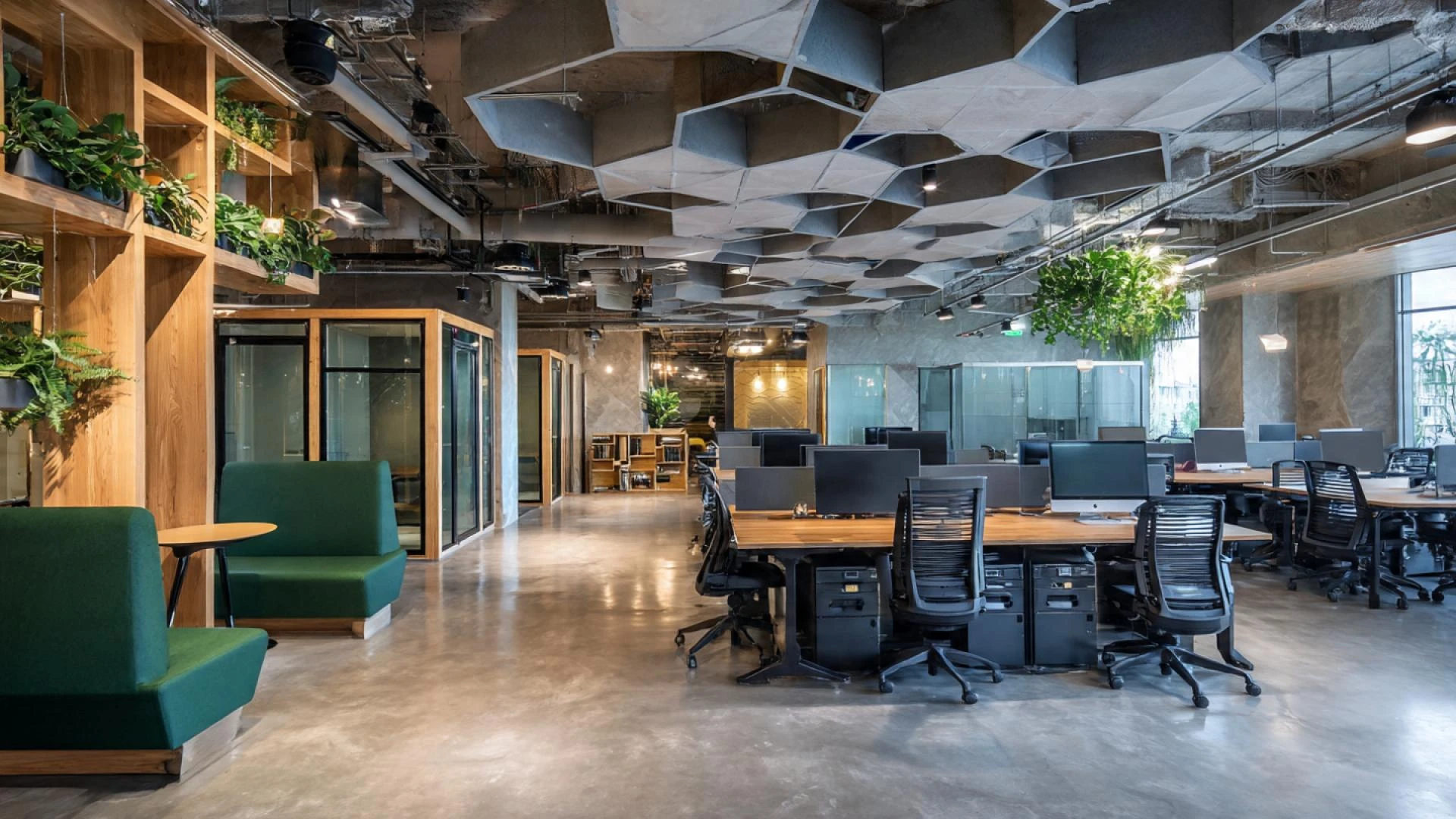
India’s coworking scene isn’t just a passing trend anymore. What started as a convenient fix for startups has turned into a smart real estate move for companies chasing speed, flexibility, and tighter control over costs. In big cities, these flexible workspaces are multiplying. Why? Simple. Companies don’t want to waste months setting up old-school offices or get tied to leases that just don’t fit how teams hire and grow today.
Here’s what’s changed: businesses want spaces that work right out of the box. Fast Wi-Fi, meeting rooms, private offices, on-demand support staff, these aren’t perks anymore, they’re the bare minimum. So now, coworking brands and managed office operators are stepping up their game. They’re not just catering to freelancers or small teams, they’re building setups that meet what big companies need.
You can really see this shift in how companies pick their locations. Instead of pouring everything into a single massive headquarters, a lot of them are opening smaller hubs closer to where their people and clients actually are. For example, the managed offices and coworking spaces in Baner is steady and growing. Teams set up businesses there to stay close to Pune’s tech scene without dealing with brutal commutes. The same thing is happening in other hotspots too.
Mumbai’s BKC? Still a magnet for serious business. It’s got the right vibe, the right connections, and companies love it when they need to meet clients often or get things running fast. Flexible offices here cut down on downtime, so teams can get moving right away. Over in Hyderabad, Hitec City keeps pulling in tech teams and big expansions, which is why coworking operators keep adding locations around there.
Bangalore’s Koramangala plays by its own rules. It’s packed with startups and growth teams that want location perks without getting locked in. In Chennai, Guindy’s the spot for companies that want an easy-to-reach business hub and a real office feel, but aren’t ready to sign long leases and settle down.
What’s fueling all this is pretty straightforward, it’s just how companies work now. They hire in spurts, run hybrid schedules, and spin up satellite teams for different projects. Flexible workspaces fit right into that rhythm, letting them scale up or down with almost no hassle.
At this point, coworking isn’t trying to beat traditional offices at their own game. It’s just outpacing them. The model’s grown up, it’s sharp, professional, and fits what modern businesses actually need: fast setup, simple scaling, and smooth operations across all their city hubs.