Monsoon is one of the most exciting seasons for trekking in India. As the rains arrive, landscapes transform dramatically. Dry hills turn lush green, waterfalls return to life, and forests become vibrant and refreshing. For trekking enthusiasts, this season presents an interesting choice: should you explore the Western Ghats or head to the Himalayas?
Both mountain ranges offer unforgettable adventures, but the experience differs significantly. The Western Ghats thrive during monsoon, showcasing dense forests, mist-covered hills, and spectacular waterfalls. The Himalayas, meanwhile, offer grand mountain views, alpine meadows, and unique high-altitude trails. Choosing between the two depends on your trekking style, fitness level, and expectations from a monsoon adventure.
This guide compares the Western Ghats and the Himalayas across key factors such as scenery, weather, accessibility, safety, and trekking experience to help you decide which destination is right for your next monsoon trek.
Understanding Monsoon Trekking in India
Monsoon trekking is very different from trekking during winter or summer. Rain changes trail conditions, visibility, and the overall atmosphere of a trek. While some regions become more beautiful during the rainy season, others can become challenging due to heavy rainfall and unstable terrain.
This is where the Western Ghats and the Himalayas differ the most. The Western Ghats are naturally adapted to heavy rainfall and become exceptionally scenic during monsoon. The Himalayas, on the other hand, offer incredible beauty but often face weather-related challenges such as landslides, slippery trails, and travel disruptions.
Understanding these differences is essential before choosing your trekking destination.
Why the Western Ghats Are Perfect for Monsoon Trekking
The Western Ghats stretch along India's western coastline and pass through Maharashtra, Goa, Karnataka, Kerala, Tamil Nadu, and Gujarat. Recognized as a UNESCO World Heritage Site, the region is one of the world's most important biodiversity hotspots.
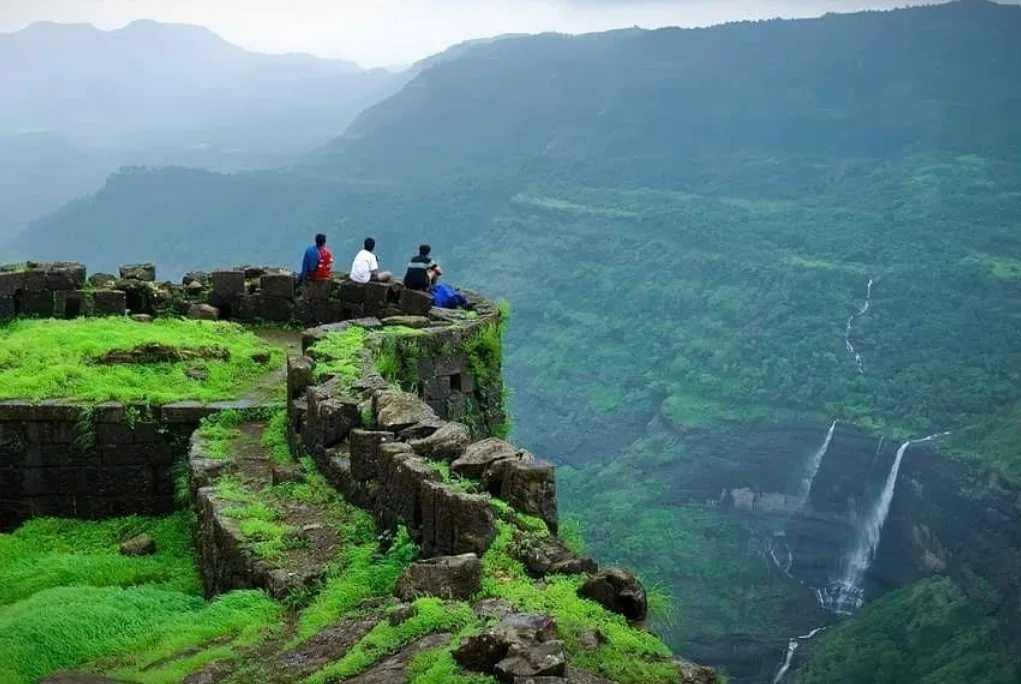
During monsoon, the Western Ghats undergo a complete transformation. Rolling hills become carpeted with fresh greenery, streams flow through forests, and waterfalls appear across the landscape. The entire region feels alive and energetic.
One of the biggest advantages of trekking in the Western Ghats during monsoon is that rain actually enhances the experience. Unlike many trekking destinations where rainfall creates obstacles, the Western Ghats become more attractive because of it. Mist-covered valleys, cloud-filled trails, and roaring waterfalls create a unique atmosphere that cannot be experienced during other seasons.
The region is also known for its rich biodiversity. Trekkers often encounter diverse plant life, colorful insects, birds, and unique ecosystems that flourish during the rainy season. This combination of greenery, wildlife, and pleasant temperatures makes the Western Ghats one of the most rewarding destinations for monsoon trekking in India.
Best Monsoon Treks in India Located in the Western Ghats
Several of India's most popular monsoon treks are located in the Western Ghats.
Andharban Trek
Andharban is one of the most famous monsoon treks in Maharashtra. The trail passes through dense forests, misty valleys, and lush green landscapes. During monsoon, the scenery becomes exceptionally beautiful, making it a favorite among nature lovers.
Rajmachi Trek
Rajmachi offers a combination of history and natural beauty. Ancient forts overlook green valleys, while waterfalls and streams add charm to the journey. The trek remains suitable for beginners and experienced trekkers alike.
Harishchandragad Trek
Known for its dramatic landscapes and the famous Konkan Kada cliff, Harishchandragad becomes particularly attractive during monsoon. Clouds move across the valley below, creating breathtaking views throughout the trek.
Kudremukh Trek
Located in Karnataka, Kudremukh is famous for its rolling hills and expansive green meadows. The monsoon season enhances its beauty, making it one of the most picturesque trekking destinations in South India.
What Makes Himalayan Trekking Unique During Monsoon?
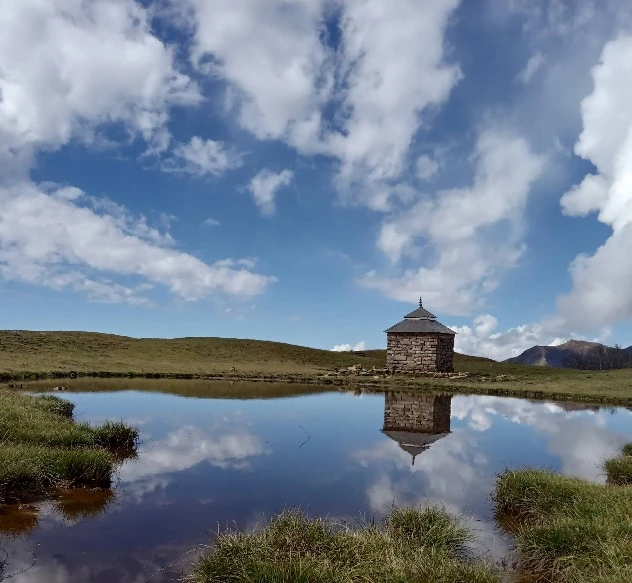
The Himalayas provide a completely different trekking experience. Instead of dense forests and waterfalls, trekkers encounter towering peaks, alpine lakes, vast meadows, and dramatic mountain landscapes.
The scale of the Himalayas is often what impresses visitors the most. The mountains appear larger, the valleys deeper, and the views more expansive than those found in most other trekking regions of India.
However, monsoon affects the Himalayas differently. Heavy rainfall can trigger landslides and road closures in certain areas. Travel plans may require greater flexibility, and weather conditions can change quickly. As a result, trekkers often need more preparation when planning Himalayan adventures during the rainy season.
Despite these challenges, some Himalayan treks are at their absolute best during monsoon.
Best Himalayan Treks During Monsoon
Valley of Flowers Trek
The Valley of Flowers is one of India's most famous monsoon treks. During the rainy season, thousands of wildflowers bloom across the valley, creating a colorful landscape unlike any other in the country.
Hampta Pass Trek
Hampta Pass offers remarkable diversity. Trekkers move through lush green valleys before entering stark mountain terrain, experiencing two contrasting landscapes within a single journey.
Kashmir Great Lakes Trek
Widely regarded as one of the most beautiful treks in India, this route features alpine lakes, flower-filled meadows, and stunning mountain scenery. The trek offers some of the most rewarding views in the Himalayas.
Bhrigu Lake Trek
Bhrigu Lake is a relatively short Himalayan trek that delivers spectacular scenery. Trekkers enjoy panoramic mountain views and beautiful meadows without committing to a lengthy expedition.
Western Ghats vs Himalayas: A Detailed Comparison
Scenery
The Western Ghats are known for lush greenery, rainforests, waterfalls, and mist-covered hills. The landscape feels vibrant and immersive throughout the monsoon season.
The Himalayas offer alpine lakes, towering peaks, expansive valleys, and high-altitude meadows. The scenery feels grand and dramatic on a much larger scale.
If you love forests and waterfalls, the Western Ghats may appeal more. If mountain views and vast landscapes excite you, the Himalayas are difficult to beat.
Weather Conditions
The Western Ghats receive heavy rainfall, but the region is naturally adapted to monsoon weather. Rain enhances the overall trekking experience and contributes to the area's beauty.
In the Himalayas, rainfall can occasionally create logistical challenges. Certain routes may experience landslides or transportation disruptions during periods of intense rain.
For a more reliable monsoon trekking experience, the Western Ghats generally have an advantage.
Accessibility
Most Western Ghats treks are located close to major cities such as Mumbai, Pune, Bengaluru, and Kochi. This makes them ideal for weekend adventures and short trips.
Himalayan treks usually require longer travel times and more extensive planning. Reaching the starting point often involves multiple modes of transportation.
Trekkers looking for convenience often find the Western Ghats more accessible.
Adventure Level
The Himalayas generally provide a greater sense of adventure. Higher altitudes, longer distances, and more demanding terrain create a stronger challenge for experienced trekkers.
The Western Ghats are comparatively less demanding, although certain routes still require good fitness and preparation.
Adventure seekers often prefer the Himalayas, while casual trekkers and beginners may feel more comfortable in the Western Ghats.
Which Region Is Better for Beginners?
For beginners, the Western Ghats usually provide the ideal introduction to monsoon trekking. The trails are often shorter, easier to access, and free from altitude-related concerns. The scenery remains rewarding throughout the journey, making the experience enjoyable even for first-time trekkers.
The Himalayas can also accommodate beginners, but monsoon conditions require greater awareness and preparation. New trekkers may find the logistics and weather variability more challenging.
Final Verdict
The debate between the Western Ghats and the Himalayas does not have a universal winner because both destinations offer exceptional trekking experiences. However, if the goal is to enjoy monsoon in its purest form, the Western Ghats emerge as the stronger choice.
The region comes alive during the rainy season. Waterfalls flow at full strength, forests become greener than ever, and the atmosphere feels magical from start to finish. It is no surprise that many of the best monsoon treks in India are located here.
The Himalayas remain unmatched when it comes to scale, adventure, and dramatic landscapes. For trekkers seeking alpine lakes, mountain passes, and unforgettable views, they continue to be one of the world's greatest trekking destinations.
Ultimately, the choice depends on what kind of experience you want. If you want to celebrate the monsoon, choose the Western Ghats. If you want to combine monsoon with high-altitude adventure, choose the Himalayas. Either way, India's mountains guarantee an unforgettable journey.