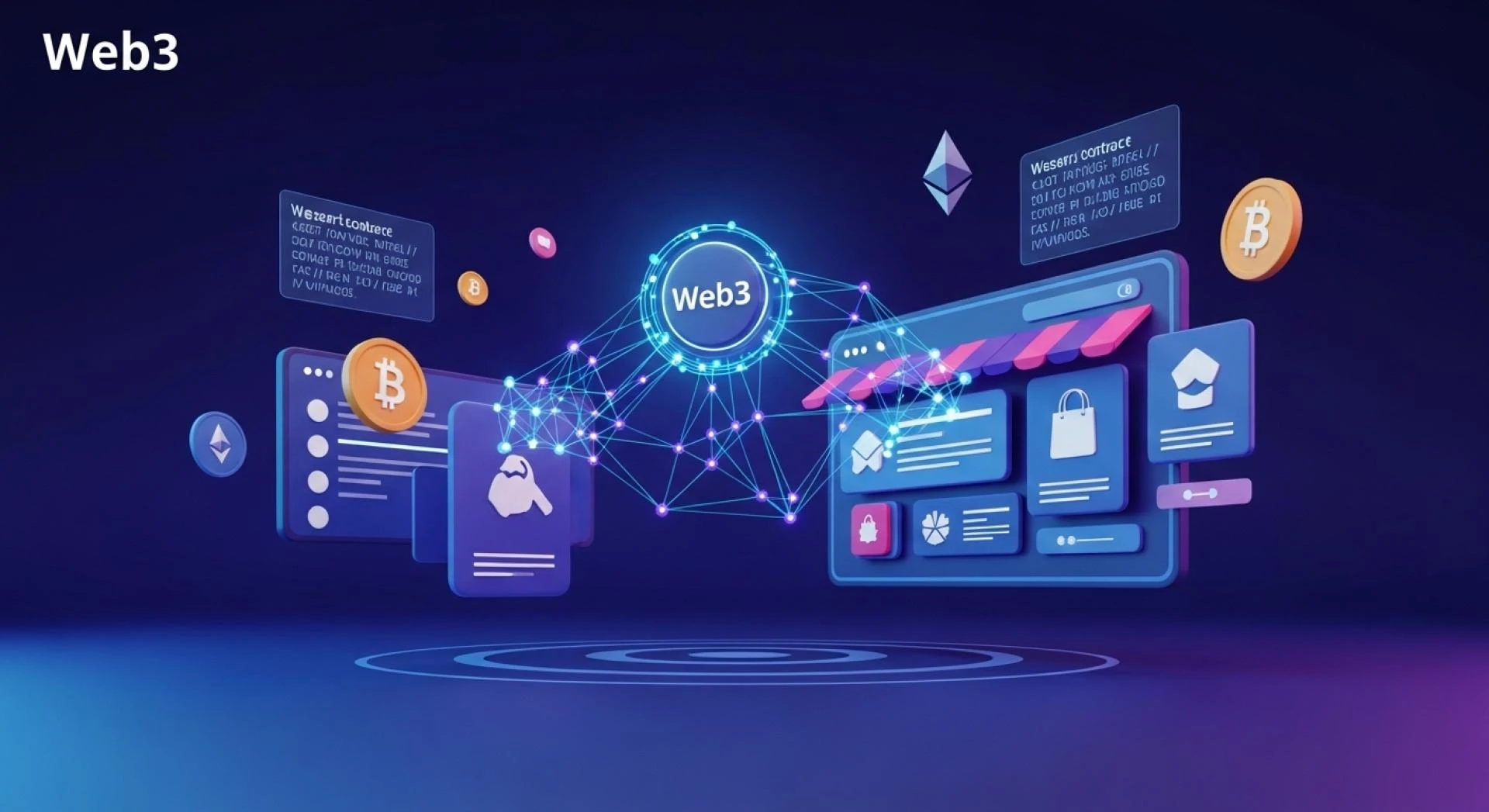
The eCommerce industry has seen rapid growth in the last decade, but with the advent of Web3 technology, a whole new chapter in online shopping is about to unfold. Traditional eCommerce models rely heavily on centralized systems, but Web3 offers decentralization, more control for users, and potentially a whole new customer experience.
If you're an online store owner or a developer interested in Web3 eCommerce, it's important to understand how this revolutionary technology can transform the way you run your business. In this article, we’ll dive into the core concepts of Web3, how it integrates with eCommerce platforms, and why it could be the future of online shopping.
What is Web3?
Before jumping into its impact on eCommerce, let's define Web3. Web3, short for Web 3.0, is the next generation of the internet. It’s built on decentralized networks, powered by blockchain technology. Unlike the current Web2, where centralized entities like Google, Facebook, and Amazon control much of the data and user interaction, Web3 gives power back to the individual.
Some key elements of Web3 include:
- Decentralization: No single entity controls the entire network, making it more secure and user-focused.
- Blockchain: A distributed ledger system that provides transparency, security, and immutability.
- Smart Contracts: Self-executing contracts with the terms of the agreement directly written into code.
- Cryptocurrencies: Digital currencies like Bitcoin and Ethereum that serve as the backbone of Web3 transactions.
In short, Web3 is about decentralizing power and giving control back to users, and this fundamental shift will reshape the future of eCommerce.
Why Web3 Matters for eCommerce
eCommerce has long been dominated by centralized giants, but the emergence of Web3 presents a chance to disrupt the current model. Here are several reasons why Web3 technology is an essential aspect of the future of eCommerce:
Decentralized Platforms:
Web3-powered eCommerce sites allow users to control their data and assets without relying on third-party platforms. For businesses, this means lower fees, enhanced security, and a transparent system that operates directly between buyers and sellers. By using decentralized apps (dApps), businesses can reach new customers who value privacy and decentralization.
Enhanced Security and Privacy:
Blockchain’s inherent security features make Web3 eCommerce platforms less vulnerable to data breaches. Since there’s no central authority storing sensitive customer data, it’s less prone to hacking. This increased security also appeals to consumers who are becoming more concerned about their online privacy.
Tokenization and Digital Assets:
Web3 allows for the tokenization of physical goods and digital assets. For example, an eCommerce site could sell products with tokens that represent ownership. Customers could use these tokens to buy physical goods, trade them, or even resell them as NFTs (Non-Fungible Tokens). This creates new revenue streams and provides customers with unique digital experiences.
Smart Contracts for Automation:
Web3 platforms leverage smart contracts to automate the purchase process. These contracts self-execute when certain conditions are met, eliminating the need for intermediaries. This reduces costs, speeds up transactions, and ensures transparency for both buyers and sellers.
Cryptocurrency Integration:
Web3’s natural alignment with cryptocurrencies allows eCommerce websites to accept digital payments like Bitcoin, Ethereum, and stablecoins. This can significantly expand your potential customer base by appealing to users who prefer cryptocurrency over traditional payment methods.
Improved User Experience:
Web3 eCommerce websites can offer a seamless and more engaging user experience. By integrating Web3 technologies, businesses can create more interactive platforms that use VR, AR, and blockchain to offer customers new ways to engage with products. Web3 can also help streamline the checkout process with decentralized payment methods and tokenized loyalty programs.
How to Build a Web3 eCommerce Website
Building a Web3-powered eCommerce website is not much different from traditional development, but it requires additional knowledge of decentralized technologies and blockchain integration. Here’s a step-by-step guide on how to get started with Web3 eCommerce website development:
Choose Your Platform:
There are a variety of platforms and frameworks available for building Web3 eCommerce sites. Popular blockchain platforms for Web3 development include Ethereum, Solana, and Polkadot. Choose the one that aligns with your business goals, scalability needs, and transaction speed requirements.
Integrate a Wallet:
Web3 eCommerce platforms rely heavily on cryptocurrency payments. Integrate a cryptocurrency wallet like MetaMask, Trust Wallet, or Coinbase Wallet to enable customers to make payments using digital currencies. This wallet integration should be simple, secure, and user-friendly.
Utilize Smart Contracts:
Smart contracts are at the heart of Web3 eCommerce transactions. These self-executing contracts can automate everything from product purchases to returns and refunds. Write smart contracts to handle your store’s transactions and ensure that everything runs smoothly without human intervention.
Create a Decentralized Backend:
In Web3, the backend of your website is decentralized. You can host product listings, transactions, and customer data on decentralized networks like IPFS (InterPlanetary File System) or Arweave. This removes the reliance on centralized servers, making your website more secure and resistant to downtime.
Design an Engaging User Interface:
While Web3 might be complex behind the scenes, your website’s frontend should still offer a seamless and intuitive user experience. Ensure that your website is visually appealing, easy to navigate, and simple for users to understand how to interact with blockchain features, like token wallets and smart contracts.
Ensure Scalability:
Blockchain technology is evolving rapidly, and your Web3 eCommerce site must be able to scale to handle growing traffic and transaction volumes. Look for blockchain platforms that offer high scalability and low transaction costs to ensure your site can handle future growth without issues.
Challenges of Web3 eCommerce Website Development
Although Web3 offers immense potential, it’s not without its challenges. Here are some issues to consider before diving in:
Technical Complexity:
Web3 development requires specialized knowledge of blockchain, smart contracts, and cryptocurrency integration. Hiring experienced blockchain developers or partnering with a Web3 development agency will be crucial for successful implementation.
Regulatory Uncertainty:
Web3 technology, especially cryptocurrencies and NFTs, is still subject to evolving regulations. Before launching a Web3 eCommerce website, it’s essential to stay updated on legal and tax implications in your jurisdiction.
Adoption Rates:
While Web3 technology is gaining traction, it’s not yet mainstream. Many potential customers may be unfamiliar with blockchain and cryptocurrencies. Educating your audience and providing easy-to-understand tutorials will be key to attracting Web3-savvy consumers.
Payment Gateway Limitations:
Although cryptocurrencies are growing in popularity, they are not yet universally accepted. You may still need to integrate traditional payment gateways alongside Web3 options to ensure that your platform is accessible to a wide range of customers.
Conclusion: Embrace the Future of ECommerce
Web3 is a game-changer for the eCommerce industry, offering more control, security, and a better overall customer experience. By building a Web3-powered eCommerce website, you can differentiate your business, create innovative customer experiences, and tap into a growing market of Web3 enthusiasts. While there are challenges to overcome, the rewards of a decentralized, blockchain-driven platform are immense.
As more businesses adopt Web3 technologies, the lines between traditional eCommerce and decentralized online stores will continue to blur. Start integrating Web3 into your eCommerce strategy today and get ahead of the curve. The future of online shopping is here — and it’s decentralized.