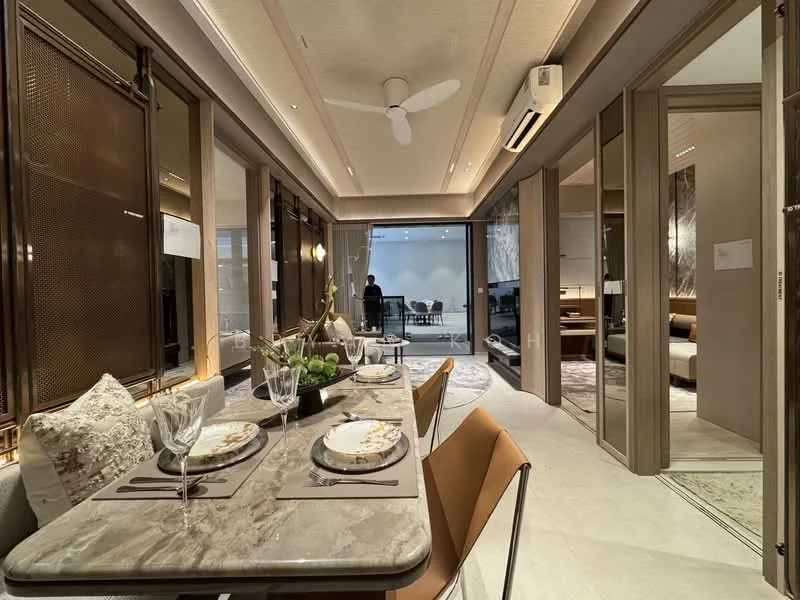
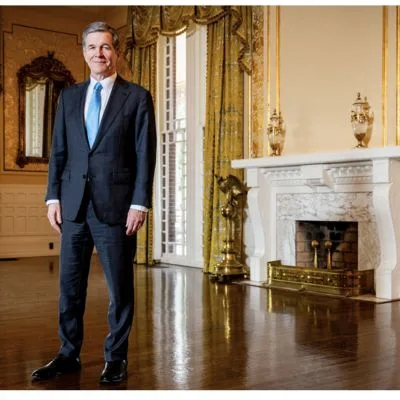
There is a version of photography that documents. And there is a version that persuades. For years, our company leaned on documentation: product shots, headshots, event coverage. Functional images that checked boxes. When a rebranding effort forced us to rethink how we presented ourselves visually, we realized we needed something different. We needed editorial photography in Raleigh, North Carolina that told a story, and advertising photography in Raleigh, NC that drove action. Finding a photographer who operated fluently across both disciplines changed how we approached every campaign that followed.
The Gap Between Functional Photography and Photography That Performs
Our brand had a strong voice in writing. Our campaigns were well-structured. The strategy was solid. But every time we placed an ad or published a feature, the images felt borrowed from somewhere else. Technically fine. Creatively thin.
A colleague described it well: the copy was telling one story and the images were illustrating a different one. That disconnect is more common than most marketing teams want to admit. Viewed from the outside, it reads as inconsistency. Viewed from the inside, it usually traces back to photography that was planned in isolation from the broader creative direction.
Over time, a clear pattern emerges across the industry. Brands that invest in purpose-built editorial and advertising imagery outperform those that rely on repurposed stock or generic commercial photography. The images that move people are the ones made with a specific audience and a specific message in mind.
What We Actually Needed From an Editorial Photographer in Raleigh, NC
When we started looking for an editorial photographer in Raleigh, NC, the portfolio was the first filter. Plenty of photographers in the area produced clean, competent work. Fewer showed evidence of genuine creative thinking: images that had a point of view, a sense of narrative, and an understanding of how a photograph earns attention rather than simply occupying space.
We were also looking for someone who could move between disciplines. Editorial photography and advertising photography are related but distinct. Editorial work rewards authenticity and moment. Advertising work rewards intention and persuasion. A photographer who only excels at one tends to flatten the other.
The questions we brought to every conversation were practical:
- Can you show examples of work built around a creative brief, not just open-ended shoots?
- How do you approach the gap between a client's brand guidelines and genuine creative expression?
- What does your process look like from brief to final delivery?
- Have you worked on campaigns where the photography had to perform across multiple channels simultaneously?
The answers separated photographers who were technically skilled from those who were creatively equipped for commercial work at a strategic level.
How the Process Changed Our Expectations for What Photography Could Do
The first thing that surprised us was the depth of the pre-production conversation. Before a single frame was captured, there was a genuine creative dialogue: about the audience we were trying to reach, the emotional register we wanted the campaign to hit, the channels where the images would run, and the difference between what we thought we wanted and what would actually perform.
That conversation reshaped the brief. Several ideas we had arrived with were refined or replaced entirely. Not because they were wrong, but because a photographer with real advertising experience could see how they would land in practice in ways we could not from inside the organization.
On the shoot day itself, the pace and discipline were different from anything we had experienced previously. Each setup was purposeful. There was no wandering through options hoping something would land. The shot list was treated as a creative document, not a checklist.
The distinction between editorial photography in Raleigh, North Carolina done well and advertising photography done well came down to intentionality. Every frame had a reason to exist.
Where the Images Went and What They Produced
The final gallery served three separate campaigns. Paid digital advertising used the more direct, action-oriented frames from the advertising photography in Raleigh, NC portion of the shoot. A trade publication feature used the editorial work. Our website refresh drew from both.
The click-through performance on the paid campaigns was the most measurable indicator. The new imagery outperformed our previous ad creative across every placement we tested. The difference was not marginal.
The less quantifiable but equally real benefit was internal. Our team felt differently about the brand materials they were using. When the images are genuinely good, the people presenting them carry more confidence. That shift is harder to put in a report, but it is real and it compounds.
A Broader Observation About Visual Standards in the Raleigh Market
Raleigh has changed significantly as a commercial market over the past several years. The Research Triangle's growth has brought national companies, sophisticated buyers, and a professional services environment that increasingly mirrors larger coastal markets in its expectations.
That shift has raised the bar for advertising photography in Raleigh, NC and editorial work alike. Audiences here are exposed to high-quality visual content from national and global brands daily. Local and regional brands competing in that environment cannot rely on imagery that reads as underdeveloped.
Many clients assume that creative ambition belongs exclusively to agencies in New York or Los Angeles. The real differentiator is whether the photographer, wherever they are based, thinks at the level of the work the brand needs. That caliber exists in Raleigh. Finding it requires knowing what to look for and asking the right questions before the shoot.
The Takeaway for Any Brand Rethinking Its Visual Identity
Photography that documents and photography that persuades require different thinking, different preparation, and a different kind of creative partnership. The distinction is not academic. It shows up directly in how campaigns perform and how a brand is perceived.
If the images your organization uses feel like they belong to someone else's story, they probably do. Editorial photography in Raleigh, North Carolina and advertising photography built around your specific audience and objectives are not luxuries reserved for large budgets. They are the baseline for brands that take their market position seriously.
That realization, more than any single campaign result, was the most durable thing we took away from the experience.