
It started with a three-star review. I was sitting in the lobby of a mid-scale hotel in South Carolina, speaking with the general manager about seasonal occupancy trends. Instead, our conversation turned to a single guest comment that had caught her attention:
“Comfortable bed. Clean room. But the hair dryer didn’t work, and the mattress felt slightly damp.”
Two small details. One public review.
As someone who has spent years writing about hospitality supplies and observing hotel operations from the inside, I’ve learned this: guests rarely remember the thread count of the sheets but they always remember how the room made them feel.
And in this case, the feeling was inconvenience.
The Hidden Role of a Waterproof Mattress Cover
Later that afternoon, the housekeeping supervisor walked me through a recently turned room. She explained that during peak travel season, rooms often experience small accidents spilled drinks, melted ice buckets, even minor plumbing leaks. “That’s why we switched to a better waterproof mattress cover,” she said, lifting the fitted sheet slightly to show me.
The previous covers were technically waterproof, but they trapped heat and made a faint crinkling sound. Guests didn’t complain directly but they mentioned “warm sleep” or “slightly uncomfortable bedding.”
The upgrade was subtle but important:
- Breathable backing
- Fully sealed seams
- Quiet fabric technology
- Easy removal for laundering
It wasn’t glamorous. It wasn’t decorative. But it protected thousands of dollars in mattress investments and ensured the bed felt dry and fresh every night. In high-turnover properties, especially roadside motels and business hotels, these small preventive measures are not optional they’re operational essentials.
When Bedding and Electronics Tell the Same Story
Interestingly, that same week, the hotel replaced several outdated hair dryers in guest bathrooms. The manager told me something that stuck: “We invest in good bedding protection, but if the hair dryer fails before a business meeting, that’s what the guest remembers.” She was right.
Guests judge a room in layers:
- First impression: cleanliness
- Second impression: comfort
- Final impression: functionality
A waterproof mattress cover protects what guests don’t see but a working hair dryer impacts what they immediately experience. If either fails, the perception of quality drops. Reliable hotel electronics are just as critical as bedding protection. When sourced from dependable hospitality supplies vendors, these items quietly support the guest experience. That’s where trusted suppliers like AGH Supply play a role. Not in flashy marketing, but in providing dependable guestroom essentials: durable mattress encasements, consistent-quality electronics, and practical replacements that keep rooms operational.
Beyond Mattresses: Total Bed Protection
During our walkthrough, the housekeeping supervisor also showed me additional protective layers they had implemented:
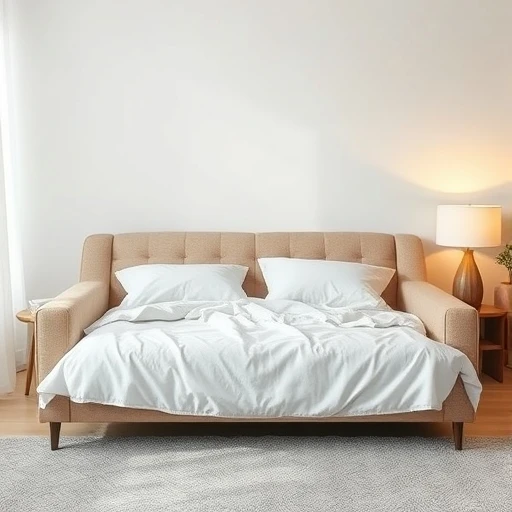
- Sofa Bed Bug Mattress Protectors for pull-out couches
- Full Bed Bug Mattress Protectors for standard guest rooms
- Full Box Spring Encasement Zippered covers to eliminate hidden pest risks
She explained that these additions weren’t a response to an outbreak but a prevention strategy.
“Guests may never see them,” she said. “But we sleep better knowing they’re there.” That sentence perfectly captures hospitality best practices. Prevention is quieter and far less expensive than damage control. A high-quality waterproof mattress cover doesn’t just prevent liquid damage. It protects against:
- Allergens
- Dust mites
- Odor retention
- Premature mattress wear
For properties operating at high occupancy rates, replacing mattresses frequently is not financially sustainable. Protective encasements extend lifecycle value while maintaining hygiene standards.
The Operational Side of Comfort
From an operational standpoint, I’ve observed three key best practices when it comes to bedding protection:
1. Standardize Across Room Types
Luxury suites may use king protectors, but consistency in material quality across room categories matters. Guests expect uniform comfort.
2. Train Housekeeping on Inspection
Encasements should be checked during every deep clean. Zippers must be intact. Waterproof backing should show no cracks.
3. Source from Reliable Motel Suppliers
Hospitality supply partners who understand hotel turnover cycles provide products built for repeated laundering and long-term use.
When a property invests in both durable waterproof mattress covers and dependable room electronics, it reduces:
- Guest complaints
- Emergency maintenance calls
- Replacement costs
- Negative online reviews
The Review That Changed Their Approach
A month after implementing the bedding and electronics upgrades, the manager shared something with me. The same guest who left the earlier three-star review returned for another stay. This time, the comment read:
“Room felt fresh and comfortable. Everything worked perfectly.”
No mention of mattress covers. No mention of hair dryers. That’s the point.
In hospitality, excellence is often invisible. When guests don’t notice the protection, the preparation, or the preventive measures that means the system is working.
Final Thoughts for Hoteliers
A waterproof mattress cover may seem like a background item in the larger world of hospitality supplies. But in reality, it’s a frontline defense for comfort, hygiene, and asset protection. Pair that with reliable in-room electronics especially essentials like hair dryers and you create an environment where guests focus on their stay, not on what went wrong. The lesson I’ve learned from years of observing hotel operations is simple: Guests rarely praise what works but they always remember what fails. And in this industry, the smallest details hidden beneath a fitted sheet or mounted on a bathroom wall often define the entire experience.