
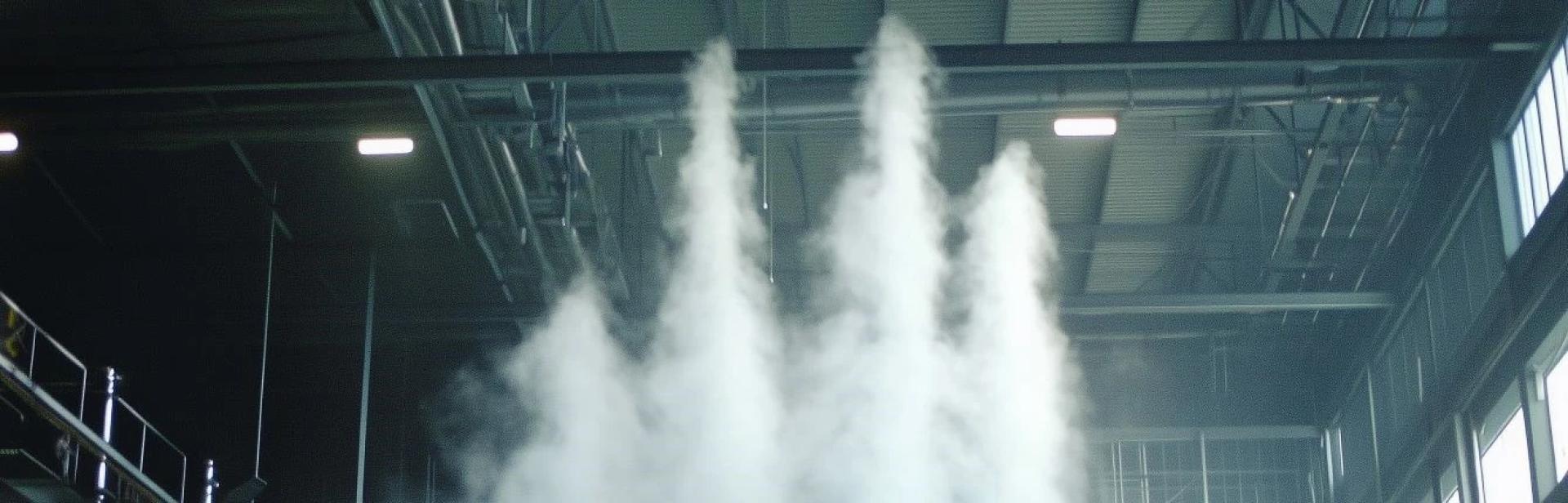
When it comes to fire protection, safety, and minimizing damage, businesses and property owners are constantly seeking advanced technologies that provide effective solutions without compromising on sustainability. One such innovation that has been gaining significant attention worldwide is the Water Mist Fire Suppression System. This modern fire suppression method not only ensures rapid fire control but also offers unique advantages compared to traditional sprinkler or gas-based systems.
In this article, we will dive into what a water mist system is, how it works, where it can be used, and why it has become one of the most reliable fire protection solutions for commercial, industrial, and residential settings.
What is a Water Mist Fire Suppression System?
A Water Mist Fire Suppression System is an advanced fire protection method that uses very fine water droplets to control, suppress, or extinguish a fire. Unlike conventional sprinkler systems that release large amounts of water, a water mist system discharges ultra-fine droplets through specially designed nozzles. These droplets are less than 1000 microns in diameter and create a mist that effectively cools the flame, displaces oxygen, and reduces heat radiation.
The key principle behind the system is simple: by breaking water into micro-sized particles, the surface area of water increases dramatically. This allows the droplets to absorb heat faster and suppress the fire more efficiently, while also minimizing water damage to property and equipment.
How Does the Water Mist Fire Suppression System Work?
The effectiveness of a Water Mist Fire Suppression System lies in three core mechanisms:
- Cooling the Fire Source
- The fine droplets absorb heat from the fire and rapidly reduce the temperature of the combustion area. This cooling effect slows down the fire and eventually extinguishes it.
- Oxygen Displacement
- As the mist evaporates, it turns into steam. The steam displaces oxygen around the fire source, suffocating the flames and preventing re-ignition.
- Radiant Heat Reduction
- The mist forms a protective barrier that blocks radiant heat transfer. This reduces the risk of the fire spreading to nearby areas or materials.
Because of this multi-pronged approach, water mist systems can suppress different classes of fire—including Class A (solid combustibles like wood and paper), Class B (flammable liquids), and even some Class C (electrical fires)—depending on the system design.
Benefits of a Water Mist Fire Suppression System
Choosing a Water Mist Fire Suppression System over traditional fire protection methods provides a wide range of advantages.
1. Minimal Water Damage
Conventional sprinkler systems can release hundreds of liters of water per minute, often causing secondary damage to property, furniture, or electronic equipment. A water mist system, however, uses up to 90% less water, significantly reducing water-related damage.
2. Environmentally Friendly
Unlike chemical-based suppression systems that release harmful gases, water mist relies solely on water—a natural, safe, and environmentally friendly extinguishing medium.
3. Safe for Occupants
The system does not release toxic gases or chemicals, making it safer for people in the affected area. Occupants can often evacuate safely without being exposed to harmful suppression agents.
4. Effective on Various Types of Fires
From electrical fires in data centers to oil-based fires in kitchens, water mist systems are adaptable and effective in many different environments.
5. Reduced Downtime
Because the system minimizes both fire damage and water damage, businesses can resume operations faster after an incident, reducing downtime and financial losses.
Applications of Water Mist Fire Suppression Systems
The adaptability of the Water Mist Fire Suppression System makes it suitable for multiple industries and facilities. Some of the most common applications include:
- Commercial Buildings – Offices, hotels, and shopping malls benefit from water mist systems because they provide high safety with minimal damage to assets.
- Industrial Facilities – Factories, power plants, and oil refineries use these systems to protect machinery and processes where conventional sprinklers may not be effective.
- Healthcare Facilities – Hospitals and nursing homes require fire safety solutions that protect sensitive equipment and ensure patient safety. Water mist technology provides both.
- Marine and Offshore Installations – Ships, yachts, and offshore platforms adopt water mist systems because they are effective against engine room fires and reduce risks in confined spaces.
- Data Centers – Electronic equipment is highly sensitive to water and chemical suppression systems. Water mist ensures rapid fire control with minimal impact on IT infrastructure.
- Heritage Buildings and Museums – Water mist protects priceless artifacts and structures where traditional fire suppression could cause irreversible damage.
Water Mist vs. Traditional Sprinkler Systems
A common question is whether a Water Mist Fire Suppression System is better than a standard sprinkler system. While both have their uses, water mist systems offer key advantages:
- Water Efficiency: Mist systems use significantly less water than sprinklers.
- Damage Control: Less water means less collateral damage to equipment and interiors.
- Effectiveness: Mist systems can be more effective in confined spaces where sprinklers might not reach.
- Versatility: Can be used in specialized environments like museums, data centers, and ships where sprinklers may be unsuitable.
However, sprinkler systems are still widely used in many buildings due to their cost-effectiveness and familiarity. The choice ultimately depends on the specific needs of the property.
Types of Water Mist Fire Suppression Systems
There are generally three types of water mist systems, classified based on operating pressure:
- Low-Pressure Systems (up to 12.5 bar)
- Commonly used in buildings and industrial spaces where wide coverage is required.
- Medium-Pressure Systems (12.5–35 bar)
- Suitable for areas requiring a balance between water efficiency and mist penetration.
- High-Pressure Systems (above 35 bar)
- Ideal for challenging environments like marine vessels, engine rooms, and data centers, where fast suppression and cooling are critical.
Why Businesses are Switching to Water Mist Fire Suppression
The increasing demand for eco-friendly, reliable, and cost-effective fire suppression solutions has led many businesses to invest in Water Mist Fire Suppression Systems. With their ability to reduce fire risks while minimizing collateral damage, these systems offer long-term value. Additionally, insurance companies often view water mist systems favorably, as they lower the overall risk profile of a building or facility.
Conclusion
Fire safety technology has come a long way, and the Water Mist Fire Suppression System represents a leap forward in innovation. With its ability to rapidly suppress fires, minimize water damage, and ensure occupant safety, it is quickly becoming the preferred choice for businesses, industries, and property owners worldwide.
Whether you are protecting a data center, a hospital, a ship, or a historic building, investing in water mist technology provides peace of mind and ensures that lives and assets are safeguarded with the highest level of efficiency.
As awareness continues to grow, the Water Mist Fire Suppression System is set to play a vital role in shaping the future of fire protection systems across the globe.