Water in Costa Rica is one of the country’s most valuable natural resources. Known for its lush rainforests, rivers, and biodiversity, Costa Rica is also home to a rich network of surface and underground water sources. But despite its abundance, managing water sustainably remains a growing challenge in both rural and urban areas.
In this blog, we’ll explore the current state of water in Costa Rica, its sources, the importance of groundwater, and how companies like Pura Vida Drilling are helping communities access clean, reliable water through advanced exploration and well services.
Overview of Water Resources in Costa Rica
Costa Rica receives significant annual rainfall—ranging from 1,500 mm to over 6,000 mm depending on the region—which contributes to numerous rivers, lakes, and aquifers. The main sources of water in Costa Rica include:
- Surface Water: Rivers, lakes, and reservoirs.
- Groundwater: Aquifers located beneath the earth’s surface.
- Rainwater: Frequently used in rural areas for collection and storage.
Despite the abundance, population growth, agriculture, and climate change are putting pressure on the country’s water resources.
Challenges Related to Water in Costa Rica
- Seasonal Availability:
- Many regions experience dry and wet seasons, which can lead to water shortages in certain months.
- Contamination of Water Sources:
- Agricultural runoff, waste discharge, and industrial activities contribute to pollution of rivers and aquifers.
- Uneven Distribution:
- Access to clean water is easier in urban centers but remains limited in remote rural areas.
- Climate Variability:
- Changes in rainfall patterns due to climate change are affecting the recharge rates of aquifers and water levels in rivers.
The Role of Groundwater in Costa Rica
As surface water becomes less predictable, groundwater is becoming a critical source of clean, year-round water—especially in dry or rural regions. Groundwater exploration and well drilling allow individuals, farmers, and developers to access this reliable source below the surface.
At Pura Vida Drilling, we specialize in:
- Locating underground water sources through hydrogeological studies and geophysical surveys.
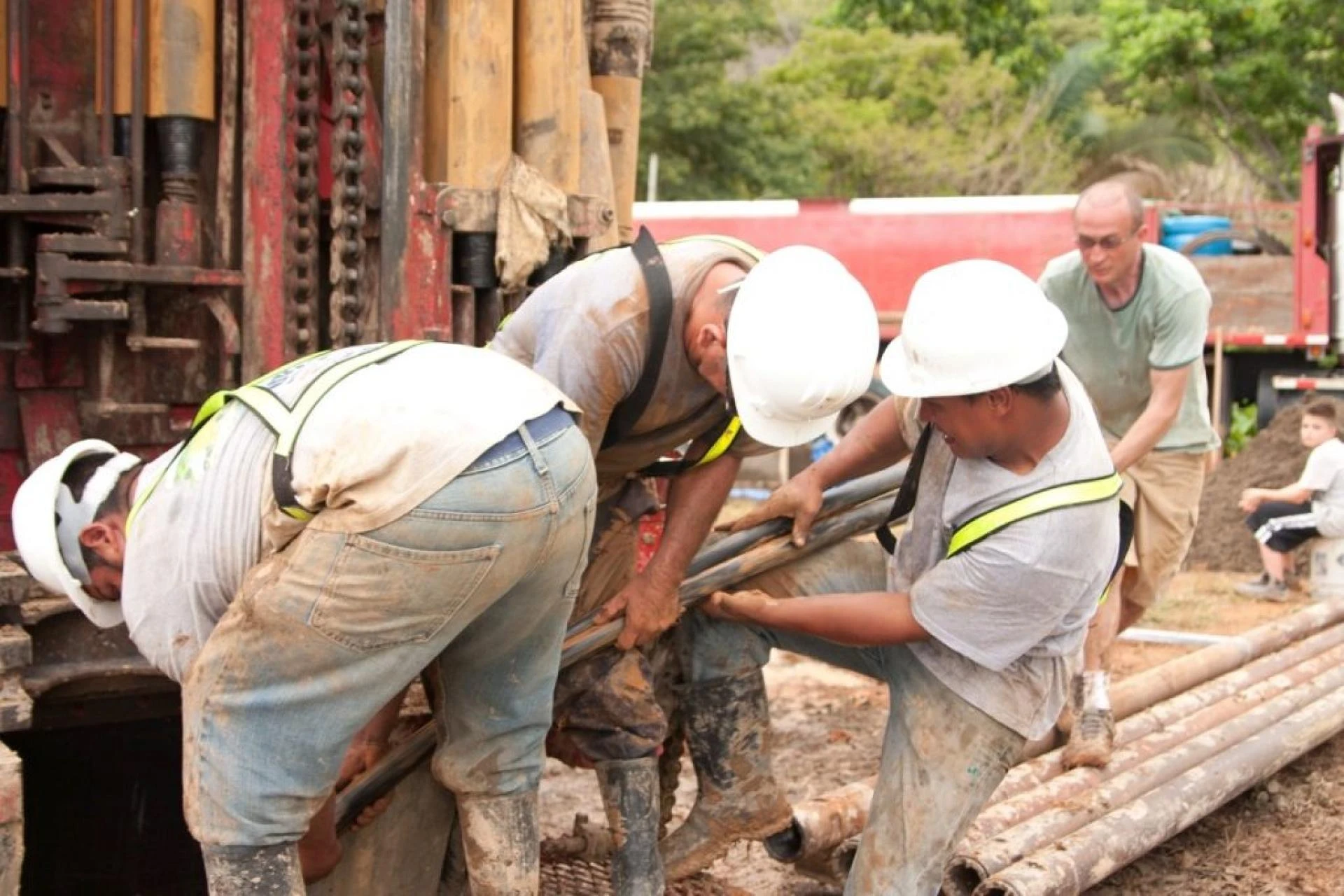
- Drilling wells for agricultural, residential, and commercial use.
- Offering sustainable solutions aligned with Costa Rica’s environmental regulations.
Sustainable Management of Water in Costa Rica
To protect water resources for future generations, Costa Rica promotes conservation efforts such as:
- Watershed protection and reforestation.
- Monitoring and managing aquifers through legal frameworks.
- Education and awareness campaigns to reduce water waste.
- Use of renewable energy in water infrastructure systems.
At Pura Vida Drilling, we contribute to these goals by applying eco-friendly drilling techniques and helping clients make informed decisions based on scientific data and environmental best practices.
Why Access to Clean Water Still Matters
Access to clean and safe water in Costa Rica is not just an environmental concern—it’s a social and economic one too. Communities need dependable water for:
- Drinking and daily use
- Crop irrigation and livestock
- Tourism and real estate development
- Industrial processes
By investing in well-planned water solutions, Costa Rica can continue to support its population and economy while protecting its ecosystems.
Conclusion
Although Costa Rica is rich in water resources, responsible use and sustainable access are more important than ever. Whether you’re a landowner, developer, or farmer, securing a reliable water source through groundwater exploration is a smart and future-proof solution.
If you're looking to explore underground water in Costa Rica, contact Pura Vida Drilling—we're here to help you find, access, and manage your water resource efficiently and sustainably.