When people think about water damage, they usually picture the obvious mess. Soaked carpets, dripping ceilings, maybe even warped wooden floors. But if you’ve ever lived through it, you know the cleanup is only half the battle. What many homeowners and business owners don’t realize until it’s too late are the hidden costs that come with water damage and mold remediation. These are the things no one tells you about, the little costs that add up, and the long-term problems that don't appear on bill number one.
I've watched friends and neighbors in Florida experience just this scenario. A torrential rainstorm inundates their living room, or a pipe suddenly bursts, and initially everyone is concerned with the obvious mess. Towels, wet vacuums, perhaps a couple of fans running overnight. But soon, in weeks, funny smells appear, or mold patches on the walls. And now, the cost of fixing isn't merely painting over or replacing drywall. It's about employing experts, throwing away possessions, and addressing health issues. And believe me, those expenses take a heavier toll than people anticipate.
That's what this post is actually about. We're going to cut deeper than the surface-level costs. I'm going to take you through the hidden bills that accompany water damage and mold remediation, why they are important, and how to plan for them. Because if there's one thing that I've learned, it's that prevention and understanding cost less than getting hit with ugly surprises down the line.
The Obvious Costs Everyone Expects
Let's begin with the fundamentals. When water damage occurs, everybody assumes they will be paying for cleanup teams, dry equipment, and perhaps even flooring or furniture replacement. Those are the tangible expenses that insurance agencies tend to pay for. The contractor comes in, installs industrial blowers, perhaps tears out the wet carpet, and you receive a bill you can see where it's coming from.
But the thing is, these bills are just the beginning. The real expenses begin to appear weeks or even months later, particularly if the moisture wasn't completely eliminated or if the mold has already begun to propagate. And that is where most households or companies are blindsided.
The Hidden Expenses Nobody Discusses
Let's get into the things that never find their way into the brochures or insurance commercials.
Temporary Relocation
If your office or home becomes uninhabitable due to water damage, you may be forced to relocate for a temporary period. Hotel or temporary accommodation bills quickly mount up, depending on how long repairs take.
Loss of Business Income
For business owners, closing for even a few days can translate to losing customers. And although some insurance policies will reimburse some of that, many won't. It's one of the most stressful and expensive aspects of water damage.
Replacement of Personal Belongings
Not all of it can be saved. The family photo albums, electronic devices, or even emotional furniture usually can't be saved. The sentimental value is one aspect, but the monetary loss can be far greater than anticipated.
Mold Inspections and Testing
Here's where things get tricky. Mold doesn't always appear immediately. You may have to shell out money for air quality testing, lab work, and follow-up inspections to ensure your office or home is safe. These are costs that are seldom discussed, but they're essential for long-term health.
Why Mold is the Bigger Expense
Water damage is bad enough by itself, but mold is a whole different story. Mold contaminates rapidly, particularly in Florida's wet environment. It takes a tiny spot at the corner of the wall and becomes a full-blown infestation instantly. And the minute the mold establishes itself, the removal cost becomes more than a simple cleaning process.
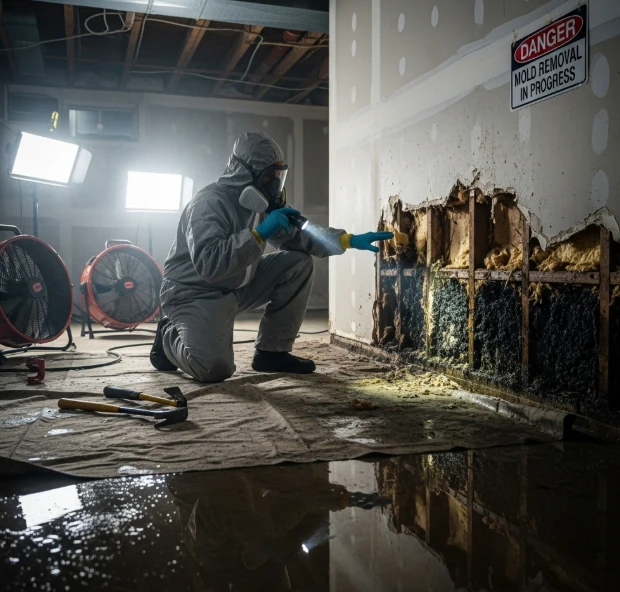
There is usually a professional removal of mold, which typically includes ripping out drywall, new insulation, and specialized equipment to keep the spores from spreading to the rest of the property. To that, mold can lead to respiratory ailments, allergies, and even long-term illness. That translates into more doctor appointments, potential medication, and an actual decrease in quality of life if the problem is not resolved correctly.
This is the reason that water damage and mold remediation will frequently be referred to in tandem. One tends to cause the other, and neglecting the consequences only worsens the bill later.
The Emotional and Health Costs
What no one ever discusses is the emotional burden. Having a musty-smelling house or being sick with headaches all the time due to mold exposure is not just infuriating, it's draining. Families can't feel secure in their own homes. Business owners can stress over losing customers as repairs take place.
Medical expenses are another aspect of this. Mold sickness isn't always covered by insurance, and doctors' bills are an added expense. It's not only about repairing the property it's about ensuring the people within it.
Insurance: What It Covers and What It Doesn't
Here's a fact that most people learn the hard way: insurance does not usually pay for everything. Policies have strict standards regarding what is "covered water damage." A burst pipe may be covered, but seepage leaks usually are not. Heavy rain flooding may need a special flood policy.
And with mold, coverage tends to be capped. That is, you may receive only a few thousand dollars to repair a problem that will take tens of thousands to repair. It's infuriating, but it's the reality many homeowners are up against.
The most effective strategy is to read through your policy ahead of time. Ask questions, learn the lingo, and understand what's covered. That way, you won't be caught off guard when the invoices come.
Cutting Costs Before They Strike
No one needs to have water damage, but there are things you can do to limit the possibility and save money in the long term.
- Routine Maintenance: Inspect plumbing, appliances, and roofs on a regular basis for any leaks.
- Proper Ventilation: Maintain low humidity indoors to make it more difficult for mold to propagate.
- Quick Response: The sooner you respond when water damage occurs, the less likely the mold will be able to spread.
- Professional Help: Calling in the professionals early may cost money, but it usually saves money down the line.
Keep in mind that water damage and mold remediation are not merely about repairing what's damaged. They're about preventing things from deteriorating further.
Real-Life Stories That Prove the Point
I know one family in Miami. They had a tiny roof leak following a storm. They believed they could deal with it using a bucket and towels. Weeks went by, and then they saw dark patches on the ceiling. When they called experts, the mold had already spread across half of the attic. The price tag? Nearly triple what it would have cost if they'd called in the professionals earlier.
Another example is a Fort Lauderdale small business owner. A ruptured pipe flooded his office. Cleaning up looked easy enough, but he had no idea the water had penetrated between the floorboards. It wasn't until a few months later, when mold compelled him to close the business for two weeks, that he found out how bad it was. Lost income from that closing was far worse than cleanup expenses.
These are all too frequent stories, and that's why awareness is important.
FAQs
1. How fast should I respond to water damage?
Right away. The sooner water dries, the less likely you are to have a mold problem.
2. Is it okay to clean up water damage myself?
Small spills, yes. Floods or large leaks, no. Trained professionals have the equipment to completely dry out the area.
3. How can I tell if mold has begun to grow?
Watch for musty odors, wall or ceiling discoloration, and mysterious allergy-like symptoms.
4. Is mold remediation covered by insurance?
Occasionally, but coverage is usually limited. Always review your policy information.
5. Is prevention worth the expense?
Yes. Basic maintenance is much less expensive than addressing full-blown water damage or mold infestations.
Resources
Environmental Protection Agency (EPA) – Mold Guide
Federal Emergency Management Agency (FEMA) – Flood Insurance Resources
American Red Cross – Safety Tips for Water Damage
Florida Department of Health – Mold Information
Final Thoughts
The fact is, the invisible expenses of water damage and mold cleanup are usually larger than the cleanup itself. From medical hazards to psychological distress, from insurance loopholes to extended repairs, the effect reaches more than most are aware. Responding promptly, being knowledgeable, and being ready can be the difference.
Ultimately, it's not so much about saving money it's about protecting your home or business from damage, illness, and unlivability in the long term.