Water flows down the drainage systems in residential areas, offices, and factories every day. The water that is used does not simply evaporate, it must be washed up prior to being released back in the environment. That is what the wastewater treatment does. Waste, dirt and harmful matter are carried by dirty water. Unattended, it may harm health and the environment in a manner that would be difficult to undo.
The really good thing is that there is no technical knowledge to know the basics. It is a relatively simple process as many would assume.
In the end of this blog, you will learn how systems work, their stages, and where they are used.
Prime Takeaways
- Wastewater treatment removes harmful matter from used water
- Clean water supports health and safe reuse
- Systems work in steps for better results
- Different methods suit homes, cities, and industries
- Proper treatment helps protect natural water sources
- Understanding basics helps you make better choices
How Wastewater Treatment Systems Work
Basic process in simple steps
Wastewater moves through a series of treatment stages. Each step removes a different type of waste. First, large solids get filtered out. Next, smaller particles settle down.
After that, biological action breaks down organic waste. Finally, the water goes through cleaning and disinfection. Each step adds to the overall quality.
For more details, see:
https://en.wikipedia.org/wiki/Wastewater_treatment
Role of a wastewater treatment plant
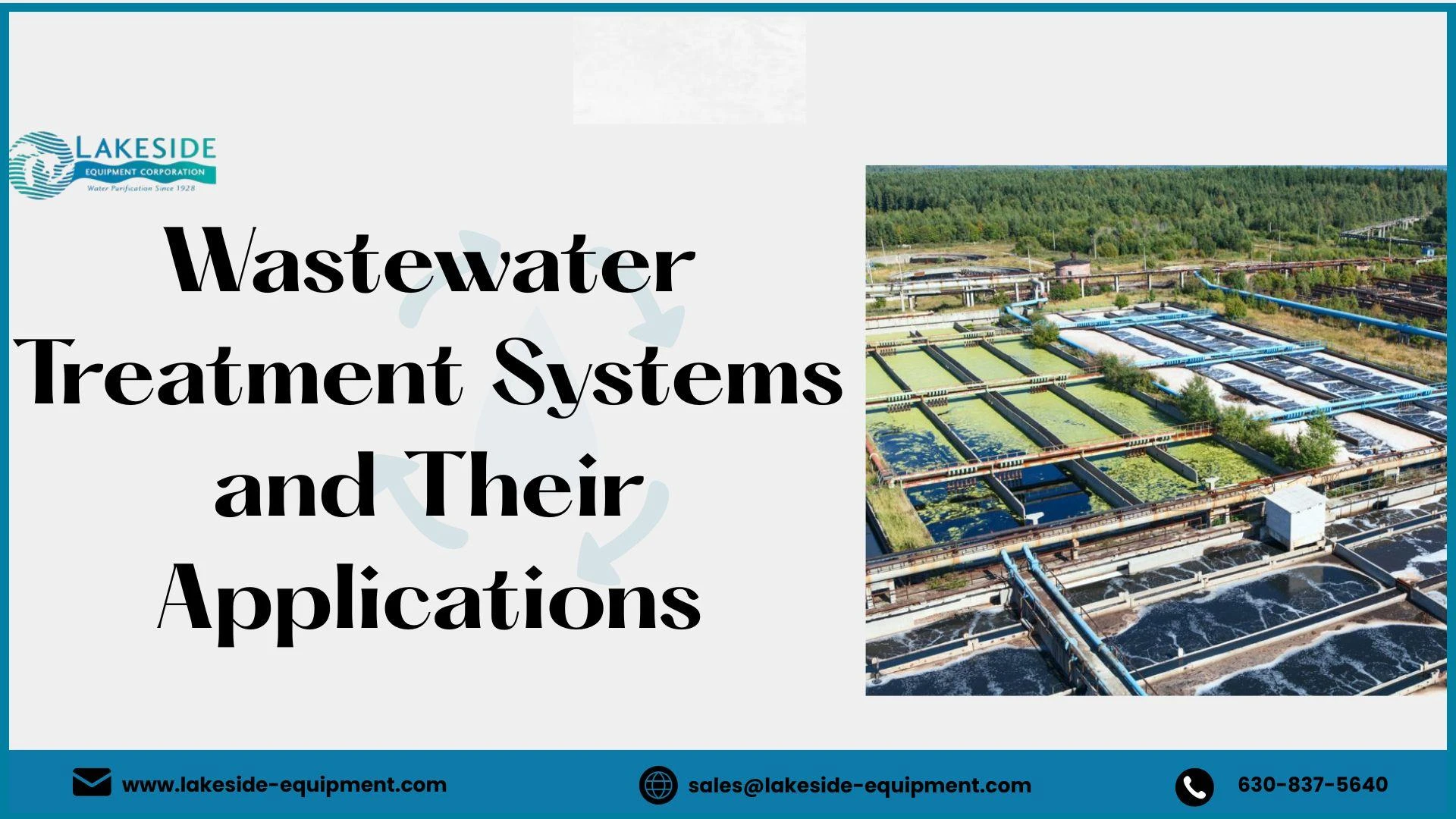
A wastewater treatment plant handles large volumes of water. Cities depend on these plants every day. Water from homes and roads flows into one place.
Workers monitor each stage closely. As a result, treated water meets safety levels before release. Many systems also allow reuse in farming or industry.
Key Stages of Treatment Explained
Understanding the stages of wastewater treatment
The stages of wastewater treatment follow a clear order. Each stage focuses on a specific task. Primary treatment removes solids through settling.
Advanced methods may remove chemicals or nutrients. For example, filters and chemicals help polish the water. Clean water then becomes safe for discharge or reuse.
Why each stage matters
Skipping a step can reduce effectiveness. Every stage builds on the previous one. Strong systems use all stages for better results.
Additionally, proper stages help reduce pollution in rivers and lakes. That supports both human and animal life.
Common Applications in Daily Life
Use in homes and small setups
Homes use basic systems like septic tanks. These systems handle daily water waste from kitchens and bathrooms. Simple treatment helps reduce harmful discharge.
Additionally, small systems need regular care. Maintenance keeps them working well.
Use in cities and industries
Large cities rely on a wastewater treatment plant for bulk processing. Industrial areas also treat water before release. Factories often remove chemicals before sending water out.
At the same time, treated water may support irrigation. Many areas reuse water for non-drinking needs.
Factors That Affect System Efficiency
Design and capacity
System size must match water volume. A small system cannot handle large loads. Proper design helps maintain balance.
Additionally, upgrades may improve older systems. Better designs often lead to cleaner output.
Maintenance and monitoring
Regular checks keep systems running well. Blocked pipes or broken parts reduce efficiency. Timely repairs prevent bigger issues.
Operators also track water quality. Clear data helps maintain standards.
Challenges in Wastewater Treatment Systems
Handling changing water quality
Water quality can change every day. Rain, waste type, and usage affect the flow. Sudden changes may reduce system performance. Regular checks help manage such shifts. Stable input makes treatment more effective.
Managing cost and upkeep
Every system needs proper care to run well. Repairs and cleaning take time and effort. Poor upkeep may lead to weak results. Simple routines can prevent bigger issues later.
Future Trends in Wastewater Treatment
Focus on reuse and saving water
Water reuse is becoming more common in many areas. Treated water can support farming and cleaning needs. This reduces pressure on fresh water sources. Better reuse plans help long-term water balance.
Use of smarter monitoring tools
New systems use sensors to track water quality. These tools give quick updates to operators. Fast data helps improve system control. As a result, treatment becomes more steady and reliable.
FAQs
1. What is the main goal of wastewater treatment?
The main goal is to remove waste and harmful matter. Clean water can then be reused or released safely.
2. How many stages are in wastewater treatment?
Most systems use three main stages. These include three levels of treatment.
Conclusion
Understanding how wastewater treatment works changes the way you think about it. You start to see why proper waste disposal matters. Small habits at home or work actually affect the larger system more than most people realize.
Over time, that awareness builds something more useful. A real appreciation for clean water and what it actually takes to maintain it.