
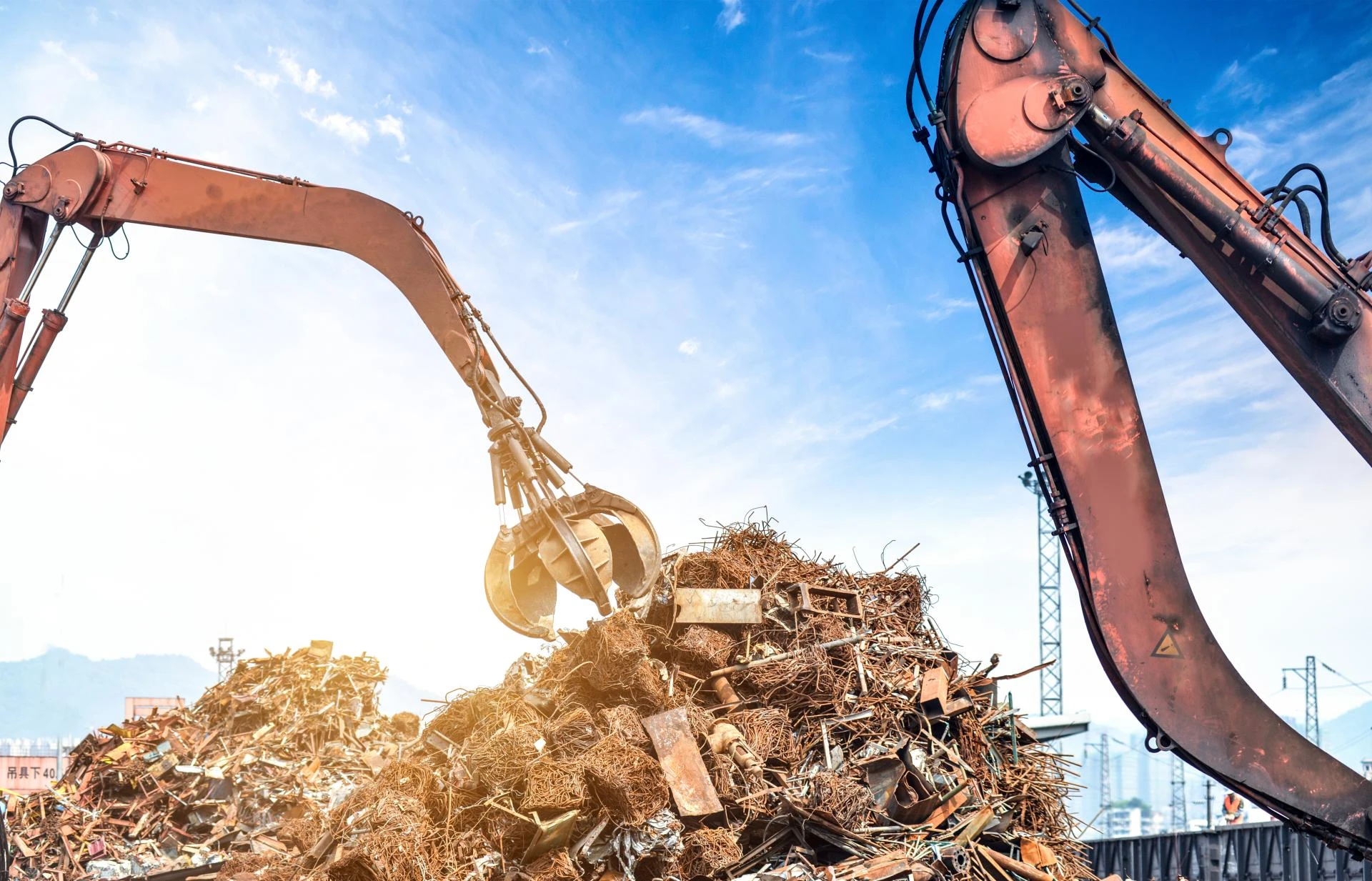
For decades, heavy industries have viewed waste as an unavoidable byproduct of production — something to manage, transport, and dispose of as efficiently as possible. However, rising material costs, environmental regulations, and sustainability expectations are reshaping this mindset. Today, forward-thinking industrial operators are beginning to see waste not as a liability, but as a resource with untapped value. Rethinking disposal strategies can transform operational costs into revenue streams while strengthening environmental responsibility.
Understanding Industrial Waste Streams
Heavy industries such as manufacturing, construction, mining, and fabrication generate diverse waste streams. These may include scrap metal, packaging materials, wood pallets, concrete debris, production offcuts, and hazardous byproducts. Traditionally, much of this material was sent directly to landfills. But landfilling often represents a missed opportunity.
A comprehensive waste audit is the first step toward change. By identifying the types and quantities of waste produced, companies can determine which materials have resale value, which can be recycled, and which require specialized handling. This process provides clarity on where cost savings and efficiency gains can be achieved.
The Financial Value of Scrap Materials
One of the most overlooked assets in heavy industries is scrap metal. Steel, aluminum, copper, and other metals retain significant market value even after their initial use. Instead of treating these materials as waste, companies can channel them into recovery programs.
Partnering with professional metal recycling services allows industrial facilities to recover, process, and reintroduce scrap materials into the manufacturing cycle. This not only generates revenue but also reduces the need for virgin material extraction. By closing the loop, businesses contribute to a circular economy while lowering raw material procurement costs.
In many cases, the revenue from recycled materials can offset waste management expenses, turning what was once a disposal cost into a financial benefit.
Improving Operational Efficiency Through Better Infrastructure
Viewing waste as a resource also requires practical infrastructure adjustments. Efficient collection systems prevent contamination and preserve the value of recyclable materials. Clearly labeled containers for different waste streams ensure that scrap and reusable materials remain separated from general refuse.
For facilities generating high volumes of debris, especially during renovations or peak production periods, an industrial dumpster rental can provide the flexibility needed to manage waste flow effectively. Having the right container capacity on-site reduces clutter, enhances safety, and supports organized material segregation.
A well-structured waste infrastructure not only improves efficiency but also creates a cleaner and more productive working environment.
Environmental Responsibility and Regulatory Compliance
Environmental regulations are becoming increasingly strict across industrial sectors. Governments are implementing landfill diversion targets, carbon reduction policies, and mandatory recycling programs. Companies that fail to adapt risk facing penalties and reputational damage.
By rethinking disposal and prioritizing material recovery, heavy industries can reduce their environmental footprint. Recycling metals, repurposing construction debris, and minimizing landfill use significantly cut greenhouse gas emissions associated with raw material extraction and waste decomposition.
Beyond compliance, sustainability initiatives enhance corporate image. Clients, investors, and stakeholders are more likely to support companies that demonstrate environmental leadership.
Embracing the Circular Economy Model
The concept of a circular economy encourages industries to design systems where materials are reused, refurbished, or recycled rather than discarded. In heavy industries, this approach can be particularly impactful due to the scale of material consumption.
Instead of following a linear “take, make, dispose” model, companies can establish recovery loops. Scrap materials can re-enter production, packaging can be reused, and byproducts can serve as inputs for other industries. This shift reduces dependence on natural resources and stabilizes supply chains.
Adopting circular practices also fosters innovation. Engineers and managers begin seeking ways to redesign processes that minimize waste generation from the outset, leading to long-term operational improvements.
Leveraging Data and Technology
Modern waste management technology plays a critical role in transforming waste into a resource. Digital tracking systems monitor waste volumes, recycling rates, and disposal costs in real time. These insights allow decision-makers to identify inefficiencies and uncover new opportunities for recovery.
Predictive analytics can forecast waste generation trends, helping facilities prepare adequate storage and processing capacity. Smart monitoring systems also support sustainability reporting, providing transparent data for environmental audits and corporate responsibility disclosures.
Technology empowers industries to make informed decisions rather than relying on outdated disposal practices.
Building a Culture of Resource Recovery
Ultimately, rethinking waste disposal requires a cultural shift within organizations. Employees at all levels must understand the value of material recovery and proper segregation. Training programs and clear communication encourage participation and accountability.
Leadership commitment is equally important. When management prioritizes sustainability and resource efficiency, waste reduction becomes integrated into daily operations rather than treated as an afterthought.
Conclusion
Heavy industries generate significant volumes of waste, but within that waste lies opportunity. By viewing disposal as a chance for recovery and reinvestment, companies can unlock financial gains, improve operational efficiency, and strengthen environmental performance.
Transforming waste into a resource is not simply a sustainability trend — it is a strategic business decision. With the right partnerships, infrastructure, and mindset, heavy industries can move beyond disposal and embrace a smarter, more profitable future rooted in resource recovery.