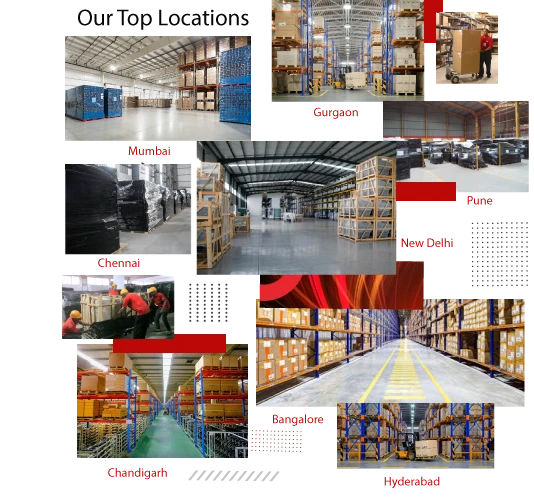
In today’s fast-paced business environment, efficient storage plays a crucial role in maintaining smooth operations. Warehouse Storage for Lease has emerged as a practical and cost-effective solution for businesses that need flexible space without investing heavily in infrastructure. Whether you are a retailer, manufacturer, or e-commerce seller, leasing a warehouse can help streamline your supply chain and improve overall productivity.
What is Warehouse Storage for Lease?
Warehouse storage for lease refers to renting a storage facility where businesses can store goods, inventory, or equipment for a specified period. These spaces are designed to handle large volumes of goods and often come equipped with modern amenities such as loading docks, security systems, and inventory management support.
Key Benefits of Leasing Warehouse Storage
1. Cost Efficiency
Leasing eliminates the need for large capital investment required to build or purchase a warehouse. Businesses can allocate resources to other critical areas like marketing or expansion.
2. Flexibility and Scalability
One of the biggest advantages is flexibility. Companies can choose storage space based on current needs and scale up or down as business demands change.
3. Strategic Location Access
Leased warehouses are often located in prime logistics hubs, providing easy access to highways, ports, and urban centers. This reduces transportation costs and delivery time.
4. Advanced Infrastructure
Modern warehouses come equipped with high ceilings, proper ventilation, fire safety systems, and advanced security features like CCTV surveillance and access control.
5. Improved Inventory Management
With organized storage systems and sometimes integrated technology, businesses can manage inventory more efficiently and reduce losses.
Types of Warehouse Storage Available
- General Warehousing: Suitable for storing non-perishable goods and general inventory.
- Cold Storage: Ideal for perishable items such as food, pharmaceuticals, and chemicals.
- Distribution Centers: Designed for quick movement of goods and order fulfillment.
- Bonded Warehouses: Used for storing imported goods before customs clearance.
Factors to Consider Before Leasing
Location: Choose a warehouse close to your target market or supply chain routes.
Size and Layout: Ensure the space meets your storage and operational requirements.
Security: Look for facilities with 24/7 surveillance and restricted access.
Accessibility: Check for proper road connectivity and loading/unloading facilities.
Lease Terms: Understand rental costs, duration, and additional charges before signing.
Who Should Opt for Warehouse Leasing?
- E-commerce businesses handling large inventories
- Retailers managing seasonal stock
- Manufacturers requiring raw material storage
- Import/export businesses dealing with bulk goods
Conclusion
Warehouse storage for lease offers a reliable and scalable solution for businesses looking to optimize their logistics and storage operations. With reduced upfront costs, access to modern facilities, and the flexibility to grow, leasing a warehouse is a smart move for companies aiming to stay competitive in today’s dynamic market.