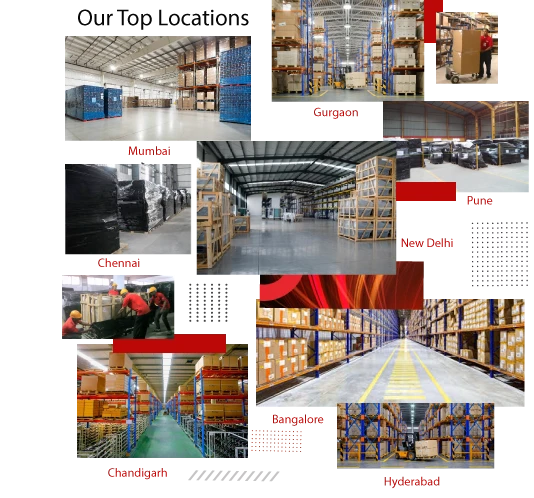
In today’s competitive business environment, having access to the right storage and distribution space is essential. A Warehouse Facility for Rent offers companies the flexibility, scalability, and operational efficiency needed to manage inventory, streamline logistics, and support growth without the heavy investment of purchasing property.
Whether you run an e-commerce business, manufacturing unit, wholesale distribution company, or retail chain, renting a warehouse can be a strategic move that improves overall performance and reduces overhead costs.
Why Choose a Warehouse Facility for Rent?
One of the biggest advantages of renting a warehouse is cost efficiency. Buying industrial property requires a substantial upfront investment, along with ongoing maintenance expenses, property taxes, and long-term commitments. Renting, on the other hand, allows businesses to preserve capital and allocate funds to core operations such as marketing, product development, and staffing.
Flexibility is another key benefit. Business needs can change quickly due to seasonal demand, expansion plans, or market fluctuations. A rental warehouse provides the option to scale up or down based on requirements, without being tied to a fixed asset.
Key Features of a Modern Warehouse Facility
A well-designed warehouse facility for rent typically includes features that enhance productivity and safety. Some important elements to look for include:
- Spacious storage areas with high ceilings
- Loading and unloading docks
- Wide internal roads for truck movement
- 24/7 security with CCTV surveillance
- Fire safety systems and compliance measures
- Adequate lighting and ventilation
- Office space within the warehouse complex
Modern warehouses may also offer advanced infrastructure such as temperature-controlled storage, automated racking systems, and inventory management support.
Ideal for Multiple Industries
Warehouse facilities for rent are suitable for a wide range of industries. E-commerce businesses use warehouses to store products and ensure fast order fulfillment. Manufacturers rely on warehouses to keep raw materials and finished goods organized. Retailers and wholesalers use them to maintain stock levels and manage distribution networks.
Logistics and third-party logistics (3PL) providers also depend heavily on rental warehouses to operate efficiently. Having a strategically located warehouse near highways, ports, railways, or major cities can significantly reduce transportation time and costs.
Location Matters
When searching for a warehouse facility for rent, location should be a top priority. Proximity to key transportation routes ensures smooth supply chain operations. Warehouses located in industrial zones often provide better infrastructure, connectivity, and regulatory compliance.
Accessibility for trucks and delivery vehicles is also crucial. A well-connected location can improve turnaround times and enhance customer satisfaction by enabling faster deliveries.
Cost Factors to Consider
Rental costs vary depending on several factors, including location, size, amenities, and infrastructure. Before signing a lease, businesses should evaluate:
- Monthly rental price per square foot
- Maintenance and utility charges
- Security deposit requirements
- Lease duration and renewal terms
- Additional service costs
Carefully reviewing the lease agreement ensures there are no hidden charges and that the terms align with your operational needs.
Benefits for Startups and Expanding Businesses
For startups and small businesses, renting a warehouse reduces financial risk. Instead of investing heavily in property, companies can focus on building their brand and customer base. As operations grow, they can move to a larger facility or multiple locations as needed.
Established businesses also benefit from rental warehouses when expanding into new regions. Renting allows them to test new markets without committing to permanent infrastructure.
Conclusion
A warehouse facility for rent is a practical and cost-effective solution for businesses seeking reliable storage and distribution space. With flexible lease terms, modern infrastructure, and strategic locations, rental warehouses support efficient operations and sustainable growth.