Every individual deserves the opportunity to learn, develop practical skills, and work toward a meaningful future. Education and employment are important parts of personal independence, financial stability, and social participation. However, persons with disabilities may face challenges when accessing suitable education, professional training, and employment opportunities. These challenges can include inaccessible learning environments, limited resources, social barriers, and a lack of specialized guidance.
Skill-based education can help address these difficulties by providing practical knowledge that supports personal and professional development. Vocational training for disabled persons focuses on identifying individual abilities, developing useful skills, and preparing learners for suitable career opportunities. With the right training environment, accessible facilities, and supportive instruction, individuals can build confidence and explore different pathways toward independence.
Uma Educational and Technical Society (UETS) works toward educational and developmental opportunities for individuals who need additional support. Understanding the value of vocational education can help families, educators, organizations, and communities encourage more inclusive opportunities.
1. Why Is Vocational Education Important for Persons with Disabilities?
Vocational education provides practical training designed to prepare individuals for specific tasks, occupations, or self-employment opportunities. Unlike education that focuses primarily on theoretical knowledge, vocational learning emphasizes hands-on activities, practical experience, and the development of workplace skills.
For persons with disabilities, this approach can create opportunities to identify strengths and develop abilities according to individual interests and learning requirements.
Some important benefits include:
- Practical skill development: Learners gain experience through activities related to specific occupations and everyday tasks.
- Greater confidence: Completing training activities can encourage individuals to recognize their abilities and achievements.
- Improved independence: Learning practical and daily living skills can support greater participation in personal and community life.
- Employment preparation: Job-related training can help learners understand workplace expectations and develop professional habits.
- Social participation: Group activities and collaborative learning can encourage communication and interaction.
Vocational education should not follow a single approach for everyone. Each learner has different interests, abilities, accessibility requirements, and career goals. A supportive program recognizes these differences and provides appropriate learning opportunities.
2. What Skills Can Learners Develop Through Vocational Training?
The type of training offered should depend on the learner's interests, abilities, and potential career pathways. A well-planned program may combine technical knowledge, practical exercises, communication, and everyday life skills.
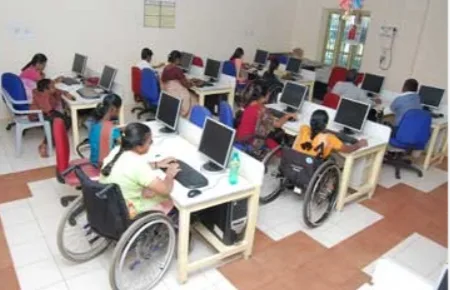
Computer and Digital Skills
Basic computer education can help learners become more comfortable with technology. Training may include typing, using common software, internet navigation, digital communication, and other computer-related activities.
These skills can support further education and may help learners explore suitable office-based or digital work opportunities. Accessible devices and assistive technologies can make digital learning more inclusive.
Communication and Workplace Skills
Communication is important in almost every professional environment. Learners can benefit from activities that develop listening, expressing ideas, following instructions, teamwork, and problem-solving.
Workplace preparation may also include punctuality, time management, task completion, and understanding professional responsibilities.
Handicraft and Creative Skills
Creative activities can provide opportunities to develop practical abilities and explore individual interests. Depending on the learner's abilities and available facilities, training may include craftwork, drawing, painting, packaging, or other creative tasks.
These activities can encourage concentration, coordination, creativity, and the development of products that may support small-scale earning opportunities.
Daily Living and Functional Skills
Professional development is closely connected with everyday independence. Learning activities may include personal organization, managing simple responsibilities, using public facilities, and communicating in different situations.
A balanced approach to vocational education can help learners develop skills that are useful both inside and outside the workplace.
3. How Can Training Programs Become More Inclusive and Effective?
An inclusive training program should be designed around the needs of the learners rather than expecting every learner to follow the same method. Accessibility, individual attention, and practical teaching techniques are essential for creating a supportive learning environment.
Important considerations include:
Individual learning assessments: Understanding a learner's existing abilities, interests, and support requirements can help educators select suitable activities and realistic learning goals.
Accessible infrastructure: Training spaces should consider mobility, physical access, classroom arrangements, and other accessibility requirements.
Flexible teaching methods: Demonstrations, visual materials, repetition, practical exercises, and step-by-step instructions can help accommodate different learning preferences.
Assistive technology: Appropriate tools and devices may support communication, learning, mobility, or task completion, depending on individual requirements.
Qualified and supportive instructors: Educators should understand inclusive teaching practices and communicate with learners respectfully.
Regular progress evaluation: Reviewing progress helps instructors identify areas of improvement and adjust training activities when necessary.
Vocational training for disabled persons becomes more meaningful when learners receive opportunities to practice their skills in realistic situations. Practical activities can help connect classroom learning with everyday responsibilities and potential employment tasks.
4. How Can Families and Communities Support Skill Development?
Families and communities play an important role in helping persons with disabilities access educational and vocational opportunities. Encouragement, guidance, and positive expectations can make a meaningful difference in a learner's development.
Families can begin by discussing individual interests and identifying activities that a learner enjoys. They can communicate with educators, participate in progress discussions, and encourage regular practice at home.
Communities can contribute by promoting accessible educational environments, supporting inclusive employment practices, and creating opportunities for participation in local activities.
Employers can also help by focusing on a person's skills and abilities rather than making assumptions based on disability. Reasonable workplace accommodations, clear instructions, accessible facilities, and supportive supervision can help create a more inclusive professional environment.
Organizations working in education and social development can connect learners with suitable training opportunities, provide guidance to families, and encourage collaboration between educators and potential employers.
5. How Does Uma Educational and Technical Society Support Inclusive Development?
Uma Educational and Technical Society (UETS) is an organization based in Kakinada, Andhra Pradesh. Its work focuses on educational and developmental support, making it relevant to discussions about inclusive learning and opportunities for individuals who require additional assistance.
When selecting an organization or educational program, families should understand the services offered, eligibility requirements, available facilities, and the type of support provided. They should also discuss individual learning needs before choosing a particular program.
A useful approach to vocational development includes:
- Identifying the learner's interests and strengths.
- Understanding individual accessibility and support requirements.
- Selecting practical learning activities.
- Encouraging regular practice and participation.
- Reviewing progress and adjusting learning goals.
- Exploring appropriate opportunities for further education, employment, or self-employment.
Vocational training for disabled persons should ultimately support individual potential, dignity, and meaningful participation in society. Organizations, families, educators, and employers can work together to make learning environments more accessible and career pathways more inclusive.
For information about Uma Educational and Technical Society, interested individuals and families can contact the organization directly through its official website or the contact details provided below.
Conclusion
Practical education can open new possibilities for individuals by helping them develop useful skills, build confidence, and explore opportunities for greater independence. Inclusive vocational programs should focus on individual abilities, accessible teaching methods, practical experience, and realistic development goals.
Families, educational organizations, communities, and employers all have a role in creating an environment where persons with disabilities can learn and participate with dignity. With suitable guidance and continued support, skill development can become an important step toward personal growth and professional participation.
Uma Educational and Technical Society represents an organization that interested families can contact to learn more about its educational and developmental work. Promoting accessible learning opportunities is an important step toward building a more inclusive society.
Organization Details
Organization Name: Uma Educational and Technical Society (UETS)
Website: https://www.uetsindia.org/
Address: 4-54, Uma Manovikas Nagar, Vakalapudi, Kakinada, Andhra Pradesh – 533005
Phone: 9491220258
Instagram: https://www.instagram.com/u.e.t.s/?hl=en