
Thailand's tropical climate, with its relentless sun and high humidity, presents a constant challenge for homeowners seeking indoor comfort. The intense heat can quickly build up inside, leading to reliance on air conditioning and higher energy bills. However, strategic architectural choices can significantly mitigate this issue. The thoughtful integration of a vinyl roof, batten ceiling system offers a powerful, aesthetically pleasing, and highly effective solution for creating cooler, more comfortable living spaces in Thai homes.
Homeowners can make informed decisions to enhance their home's energy efficiency and overall livability when you have a full grasp of the benefits and how they complement each other, turning a hot environment into a refreshing sanctuary.
Understanding Vinyl Roofs for Superior Heat Management
Vinyl roofing, often referring to PVC (Polyvinyl Chloride) membranes, is an increasingly popular choice in Thailand for its exceptional performance in hot climates. Unlike traditional dark roofing materials that absorb solar radiation, vinyl roofs are designed to reflect it, significantly reducing heat transfer into the building.
Reflectivity and Thermal Performance
The primary advantage of vinyl roofing in beating the Thai heat lies in its high solar reflectance, or "albedo." This means that a significant portion of the sun's energy is bounced back into the atmosphere rather than being absorbed by the roof surface. Light-colored vinyl roofs, in particular, can reflect over 80% of incoming sunlight. This high reflectivity keeps the roof surface itself much cooler than darker alternatives, subsequently reducing the temperature of the air in the attic or roof space and, by extension, the living spaces below. This property directly translates into lower indoor temperatures and reduced reliance on air conditioning.
Durability and Maintenance
Beyond thermal performance, vinyl roofs offer robust durability well-suited to Thailand's weather patterns, including heavy monsoons and intense UV exposure. They are highly resistant to water, punctures, and common environmental stressors. Their smooth, non-porous surface also makes them resistant to mold, mildew, and algae growth, which are prevalent issues in humid environments. Maintenance is relatively simple, usually requiring only periodic cleaning with mild soap and water to maintain reflectivity and aesthetic appeal. This low-maintenance quality is a significant benefit for busy homeowners.
The Role of Batten Ceilings in Thermal Comfort
While vinyl roofs work to keep heat out from above, batten ceilings address heat that might still accumulate within the living space or the ceiling void, promoting natural ventilation and a sense of openness.
Promoting Airflow and Heat Dissipation
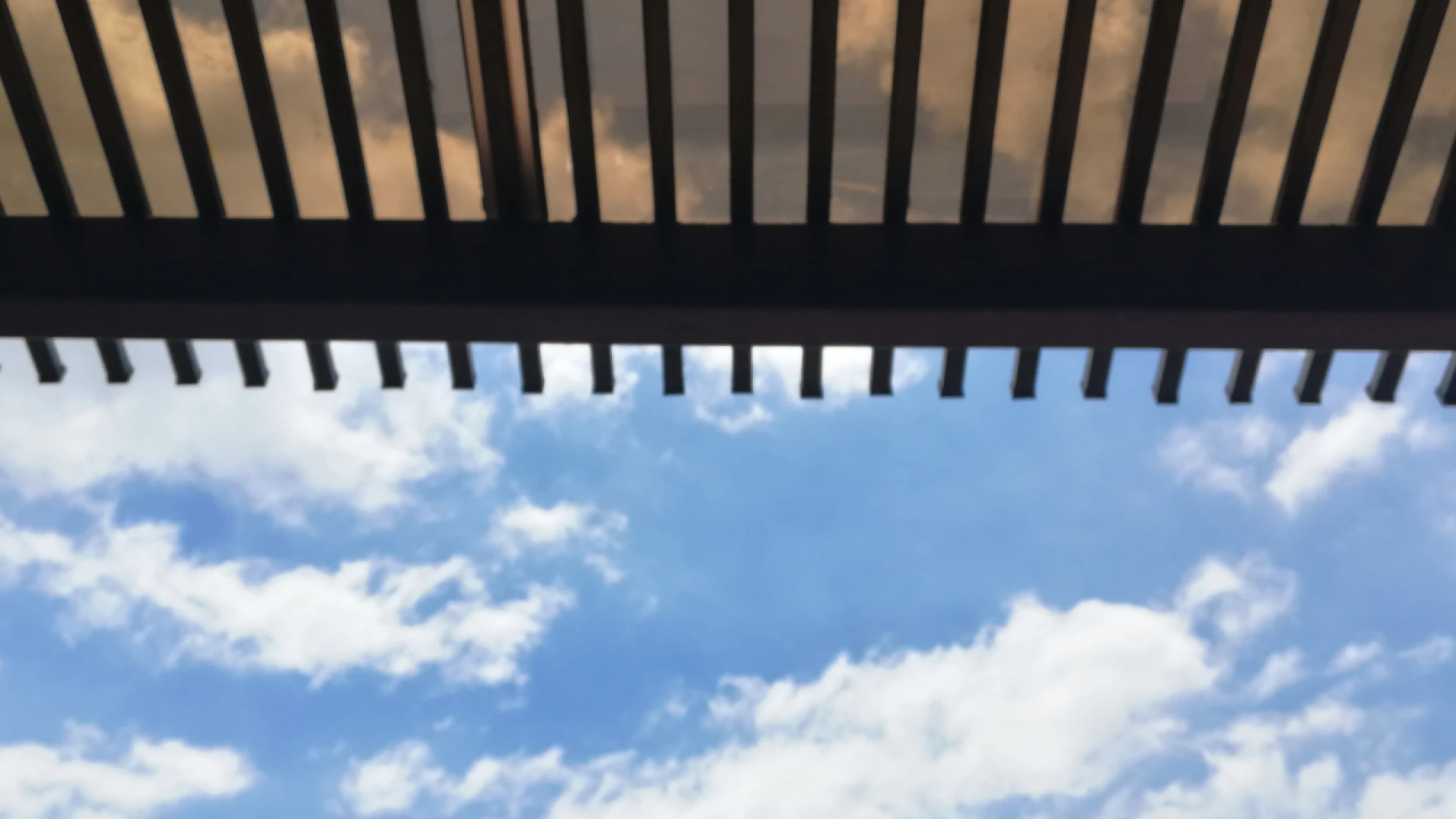
A batten ceiling typically consists of a series of parallel slats, usually installed below a structural ceiling or directly beneath a roof. This design creates a void between the battens and the main ceiling or roof structure. This airspace is crucial for thermal comfort in hot climates. It allows for continuous airflow, acting as a buffer zone that can vent trapped hot air. The gaps between the battens facilitate convection, drawing warmer air upwards and allowing it to escape, either through designed vents in the roof space or simply by creating a more breathable ceiling plane. This "chimney effect" helps to naturally cool the room below.
Design Flexibility and Aesthetics
Batten ceilings are not just functional; they are also highly versatile in design. They can be crafted from various materials, including natural wood, composite wood, or even durable recycled plastic lumber that offers excellent resistance to humidity and insects, making it ideal for the Thai environment. The spacing and orientation of the battens can be customized to achieve different aesthetic effects, from sleek and modern to warm and traditional. They can add texture, define zones, or conceal lighting fixtures, contributing significantly to the interior design of a home while simultaneously enhancing thermal performance.
Combining Vinyl Roof and Batten Ceiling for Optimal Cooling
The true power of these two elements emerges when they are integrated into a cohesive design strategy, creating a multi-layered defense against Thailand's heat.
A Synergistic Approach to Cooling
When a highly reflective vinyl roof is combined with a well-designed batten ceiling, they create a formidable barrier against heat. The vinyl roof reflects the majority of solar radiation at the outermost layer. Any heat that still manages to penetrate is then mitigated by the ventilated air gap created by the batten ceiling. This two-pronged approach ensures that less heat enters the building and any trapped heat is efficiently expelled, leading to a consistently cooler indoor environment without excessive reliance on mechanical cooling. This strategy is particularly effective for large roof areas or spaces that receive prolonged direct sunlight.
Specific Design Considerations for Thailand
For optimal performance in Thailand, consider the following:
- Adequate Ventilation Space: Ensure sufficient space (e.g., 25-50mm) between the vinyl roof membrane and the batten ceiling structure to allow for effective airflow. If there's an attic space, ensure it's well-vented.
- Material Compatibility: Choose batten materials that are resistant to the high humidity, termites, and fungal growth prevalent in Thailand. Materials like durable composite lumber can offer the aesthetic of wood without its vulnerabilities. For more information on durable materials that excel in the Thai climate, including options suitable for supporting structures or aesthetic battens, exploring solutions found at a reputable supplier can provide valuable insights.
- Integrated Drainage: Ensure that the roof design, regardless of material, has proper slope and drainage to handle heavy monsoon rains, preventing water pooling which could affect structural integrity or lead to leaks over time.
Installation and Maintenance Considerations in Thailand
Proper installation and consistent maintenance are crucial for maximizing the lifespan and effectiveness of both vinyl roofs and batten ceilings in Thailand's challenging climate.
Professional Installation is Key
Given the specific requirements for waterproofing, heat welding (for vinyl membranes), and ensuring proper ventilation gaps, professional installation is highly recommended for vinyl roofs. Similarly, for batten ceilings, precise alignment and secure fastening are essential for both aesthetics and long-term durability. Experienced local installers will understand the nuances of working with these materials in tropical conditions and can ensure adherence to best practices.
Ongoing Maintenance for Longevity
Maintaining these elements is relatively straightforward. For vinyl roofs, regular visual inspections for any signs of damage or debris accumulation are important. Cleaning with mild detergents and water will maintain their reflective properties. For batten ceilings, routine dusting or wiping will keep them clean. In humid environments, ensure there's good overall ventilation in the home to prevent excessive moisture buildup that could affect any ceiling material over time.
Conclusion
In the quest to create comfortable and energy-efficient homes in Thailand's tropical climate, the combination of a vinyl roof, batten ceiling design stands out as a highly effective strategy. By leveraging the reflective properties of modern roofing materials and the natural ventilation capabilities of slatted ceilings, homeowners can significantly reduce indoor temperatures, lower energy consumption, and enhance the aesthetic appeal of their living spaces. This thoughtful approach to design and material selection ensures that your home remains a cool, inviting refuge, even when the Thai heat is at its most intense.
FAQs
1. How much cooler can a vinyl roof make my house compared to a traditional dark tiled roof?
A light-colored vinyl roof can significantly reduce the surface temperature of your roof, often making it 20-30°C cooler than a dark-colored traditional roof under direct sunlight. This reduction in heat absorption translates to noticeably cooler indoor temperatures, potentially lowering your cooling costs by 10-25% or more, depending on your home's insulation and design.
2. Will a batten ceiling attract insects or accumulate dust easily in Thailand's climate?
The design of a batten ceiling with open gaps can potentially accumulate dust more than a solid ceiling, but regular dusting or vacuuming with a brush attachment can easily manage this. Regarding insects, while the air gaps might allow for some insect movement, the choice of batten material is key. Using materials like certain composite wood products or recycled plastics can make the battens naturally resistant to termites and other common tropical insects, reducing concerns about infestations.
3. Can I install a vinyl roof and batten ceiling on an existing structure in Thailand?
Yes, in many cases, both vinyl roofs and batten ceilings can be installed on existing structures. For vinyl roofs, it often involves applying the membrane over an existing low-slope roof or a newly prepared substrate. Batten ceilings can be installed below an existing concrete slab or a traditional ceiling. However, it's crucial to have a professional assessment of your existing structure to ensure it can support the new additions and that proper waterproofing and ventilation can be achieved.
4. How do I ensure proper ventilation with a batten ceiling if my roof space is sealed?
Even if your roof space above the batten ceiling is largely sealed, the batten design itself still creates an air gap below the main ceiling or roof structure. This gap allows for convection and air movement within the room, making it feel cooler. For optimal heat dissipation, especially if there's an attic, ensure the attic space itself has adequate ventilation (e.g., soffit vents, ridge vents, or gable vents) to allow hot air to escape from the entire roof assembly. If your batten ceiling is exposed to an unvented roof, combining it with a highly reflective vinyl roof becomes even more critical to reduce initial heat gain.
5. What is the lifespan of a vinyl roof in Thailand's weather conditions?
A professionally installed vinyl (PVC) roof can have a very long lifespan, often exceeding 20-30 years, and sometimes even more, when properly maintained. Its durability against UV radiation, water, and temperature fluctuations makes it highly suitable for the demanding tropical climate of Thailand. Regular inspections and prompt attention to any minor issues will further extend its service life.