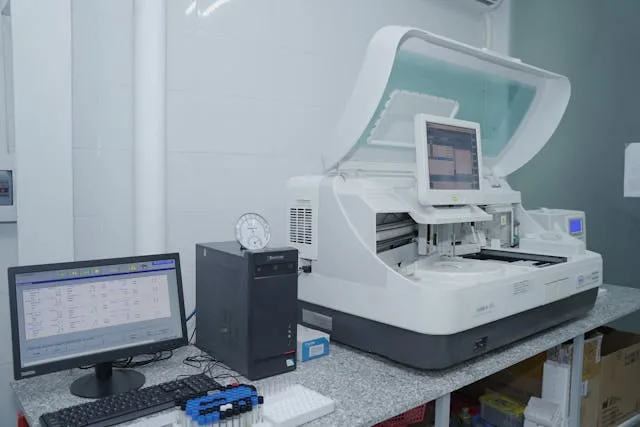
Maintaining the health of your machinery is one of the most reliable ways to protect productivity, reduce downtime, and safeguard your bottom line. Whether you operate a manufacturing plant, a logistics hub, or a small workshop, equipment that runs smoothly keeps your team efficient and your operations predictable. A proactive approach to machine care not only prevents unexpected failures but also helps organizations plan smarter and operate with greater confidence.
Understanding the True Cost of Equipment Neglect
When machines begin to show signs of wear, the consequences often extend far beyond the repair bill. Unplanned downtime can halt production, delay customer orders, and strain internal resources. In many industries, even a short interruption can create a ripple effect that impacts revenue, employee scheduling, and customer satisfaction.
This is why many organizations invest in maintenance planning frameworks that help them stay ahead of potential issues. By understanding the full cost of equipment neglect, including lost productivity and emergency service fees, a business can better justify the time and budget required for consistent upkeep.
How Modern Monitoring Tools Strengthen Reliability
Technology has transformed the way companies evaluate machine health. Instead of relying solely on manual inspections or waiting for obvious signs of failure, teams now use digital tools to monitor performance in real time. For example, investing in wireless vibration monitoring saves time and money by identifying subtle changes in machine behavior long before they escalate into major problems. This type of predictive insight allows maintenance teams to schedule repairs at the most convenient and cost-effective moment.
These tools also generate valuable data that can be analyzed over time. Patterns in vibration, temperature, or load can reveal deeper insights into how equipment is aging, how it’s being used, and where operational improvements may be needed. With this information, leaders can make more informed decisions about repairs, replacements, and long-term capital planning.
Building a Workforce That Supports Equipment Health
Even the most advanced monitoring systems can’t replace the value of a well-trained team. Employees who understand how to operate machinery correctly play a critical role in preventing unnecessary wear and tear. Many organizations invest in technical training to ensure staff can identify issues quickly and respond appropriately.
Creating a culture of accountability also matters. When employees feel responsible for the equipment they use, they’re more likely to report concerns early, follow proper procedures, and treat machinery with care. This mindset reduces avoidable damage and helps extend the lifespan of valuable assets.
Planning and Budgeting for Long Term Equipment Health
A strong maintenance strategy requires more than good intentions—it requires consistent budgeting and planning. Organizations that allocate funds specifically for routine maintenance are far less likely to postpone essential work during tight financial periods. This budget should cover scheduled service, replacement parts, training, and technology upgrades.
A thoughtful approach to budgeting also helps leaders evaluate when it’s more cost-effective to repair equipment versus replacing it. By tracking maintenance history and performance data, companies can make decisions that balance cost, reliability, and long‑term operational goals.
Conclusion
Keeping your machines in good condition is one of the most effective ways to maintain operational stability and financial efficiency. By combining proactive maintenance, modern monitoring tools, employee training, and strategic budgeting, organizations can reduce downtime, extend equipment life, and operate with greater confidence. A consistent “vibe check” on your machinery ensures your business stays productive, resilient, and ready for whatever comes next.