Most people don't think much about their vents until something goes wrong. Maybe the dryer starts taking longer to dry clothes, airflow feels weaker than usual, or strange odors seem to linger indoors. In many cases, the problem isn't the appliance itself—it's what has built up inside the vent system over time.
Vents act like highways for moving air. Whether it's a dryer vent, an HVAC duct, or an exhaust line, air needs a clear path to travel efficiently. When dust, lint, dirt, or debris begin collecting inside those pathways, airflow can slow down just like traffic backing up on a crowded road.
Fortunately, maintaining vents has become much easier thanks to modern cleaning equipment. Today's vent cleaning tools are designed to help homeowners and professionals reach deep into narrow spaces, remove buildup, and inspect areas that would otherwise remain hidden.
In this guide, we'll explore the different types of vent cleaning equipment, how they work, and why they play such an important role in maintaining airflow throughout a home.
Why Vent Maintenance Matters
Many homeowners clean visible surfaces regularly but forget about areas hidden behind walls, ceilings, and appliances.
The challenge is simple: vents are designed to move air, and moving air often carries particles along with it.
These particles may include:
- Dust
- Lint
- Pet hair
- Pollen
- Dirt
- Small debris
Over time, these materials can settle inside vent systems.
Think about a river carrying small amounts of sand. One handful of sand won't create a problem. But if sand keeps accumulating year after year, the river's flow may eventually change. Vent systems experience something similar when debris gradually builds up.
Regular maintenance helps keep these pathways open and functioning properly.
What Are Vent Cleaning Tools?
Vent cleaning tools are specialized devices designed to remove debris from ventilation systems.
Unlike ordinary household cleaning supplies, these tools are built to access narrow, enclosed spaces where traditional brushes and vacuums cannot easily reach.
Some are designed for cleaning, while others focus on inspection or debris removal.
Together, they help users maintain airflow and identify potential problems before they become more serious.
Flexible Brush Systems
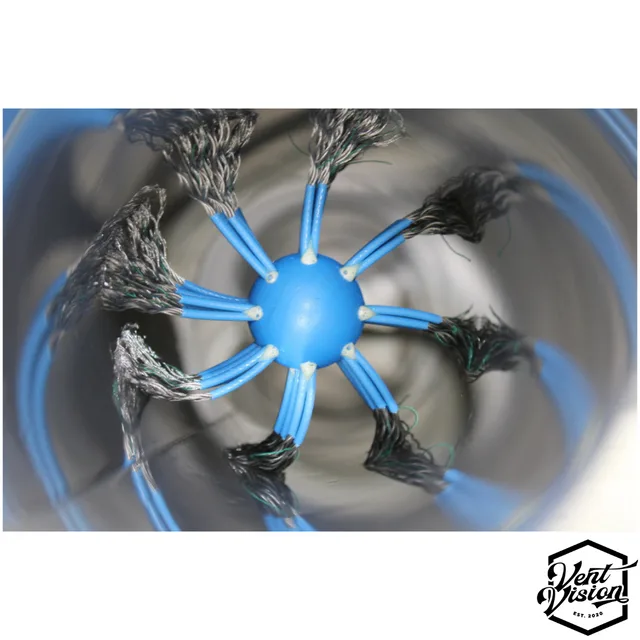
One of the most common cleaning solutions uses flexible brush assemblies.
These systems typically include a brush head attached to multiple connecting rods.
As the rods are added, the brush can travel farther into the vent.
The concept is similar to using a chimney brush. Instead of cleaning a vertical chimney, however, the brush travels through a vent duct.
The bristles loosen debris from the interior surfaces while the user guides the brush through the system.
Flexible brush systems are popular because they are:
- Relatively affordable
- Easy to use
- Effective for routine maintenance
- Available in various lengths
For many homeowners, this is the first tool purchased when beginning vent maintenance.
Rotary Cleaning Equipment
Some cleaning systems add powered rotation to the process.
These tools connect to a cordless drill, allowing the brush to spin while moving through the vent.
The rotating action can help loosen stubborn accumulations that may be difficult to remove manually.
Imagine scrubbing a dirty pan. While hand scrubbing works, a rotating cleaning pad often removes buildup faster.
The same principle applies inside ventilation systems.
However, users should operate rotary tools carefully and follow manufacturer recommendations to avoid damaging delicate vent materials.
Inspection Cameras
Cleaning is important, but seeing inside a vent can be equally valuable.
Inspection cameras provide visual access to areas that would otherwise remain hidden.
These devices typically feature:
- A miniature camera
- Built-in lighting
- Flexible cables
- Viewing screens or smartphone connections
The camera travels through the vent and displays live images.
This allows users to identify:
- Debris accumulation
- Obstructions
- Crushed duct sections
- Animal nests
- Moisture issues
Visual inspections remove much of the guesswork from maintenance.
Instead of assuming where a problem exists, users can see it directly.
Vacuum Systems
Vacuums play an important role during vent maintenance.
Once debris has been loosened, it needs to be removed from the system.
Many cleaning setups use high-powered vacuums to capture lint, dust, and dirt.
Vacuum attachments designed for vent cleaning often feature narrow openings that fit into tight spaces.
These specialized designs help improve debris collection efficiency.
For homeowners, even a standard shop vacuum can assist with routine maintenance around accessible vent openings.
Air-Powered Cleaning Devices
Some systems use pressurized air to move debris through the duct.
Air nozzles direct bursts of airflow into the vent, helping dislodge particles from interior surfaces.
This method is particularly useful for removing lightweight materials such as dust and lint.
Think of blowing dust off a bookshelf. The air movement helps loosen particles so they can be collected more easily.
Air-powered cleaning often works best when combined with other methods such as vacuuming or brushing.
Exterior Vent Maintenance Tools
The outside portion of a vent system deserves attention as well.
Exterior openings can collect:
- Leaves
- Dirt
- Insects
- Plant material
Small brushes and cleaning attachments help maintain these areas.
Keeping the exterior opening clear supports consistent airflow and reduces the chance of future blockages.
Extension Rods
Many vent systems extend far beyond arm's reach.
Extension rods solve this problem by allowing cleaning tools to travel deeper into the duct.
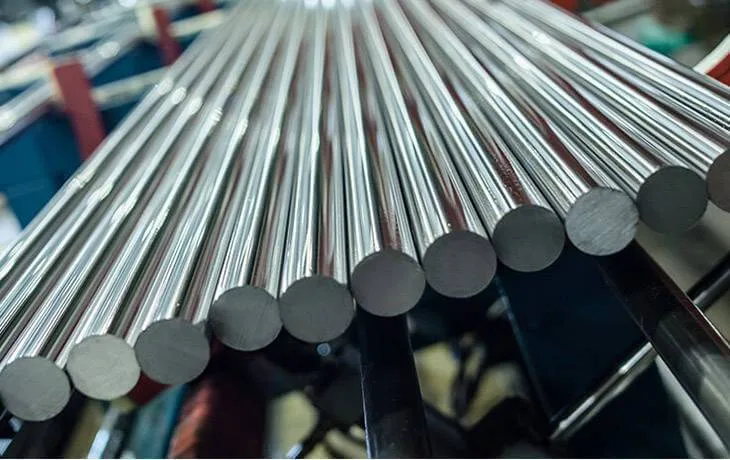
These rods connect together in sections, creating customized lengths.
A good set of rods should provide flexibility while remaining sturdy enough to push through the vent without excessive bending.
The quality of the rod system often affects overall cleaning effectiveness.
Choosing the Right Equipment
Not every vent system requires the same tools.
Several factors influence equipment selection.
Vent Length
Longer vents generally require additional reach.
Extension rods and inspection cameras become especially useful in these situations.
Number of Turns
Some vents contain multiple bends.
Flexible tools typically navigate these pathways more easily than rigid equipment.
Type of Debris
Different materials may require different cleaning approaches.
Light dust often responds well to air-powered cleaning, while heavier buildup may require brushing.
Frequency of Maintenance
Homeowners who perform regular maintenance may need only basic equipment.
Those handling larger systems or frequent cleaning tasks may benefit from more advanced solutions.
Signs You May Need Vent Cleaning
The vent itself often provides clues when maintenance is needed.
Common warning signs include:
Reduced Airflow
Weak airflow can indicate a developing blockage.
Longer Appliance Run Times
If a dryer or ventilation system takes longer to perform its function, restricted airflow may be contributing.
Visible Debris
Dust or lint around vent openings can suggest buildup within the system.
Unusual Odors
Accumulated debris sometimes traps moisture or odors.
Excessive Heat
Restricted airflow can cause equipment to operate less efficiently, occasionally resulting in increased temperatures.
Recognizing these signs early can help prevent larger issues later.
Benefits of Using Proper Cleaning Equipment
Investing in the right tools provides several advantages.
Better Cleaning Results
Specialized tools reach areas ordinary household equipment cannot access.
Time Savings
Purpose-built equipment often completes tasks more efficiently.
Improved Airflow
Removing obstructions allows air to move more freely.
Easier Inspections
Visual tools help identify issues quickly.
Long-Term Maintenance
Regular cleaning may help support the overall performance of ventilation systems.
Common Mistakes to Avoid
Even good equipment can be less effective when used improperly.
Rushing the Process
Careful cleaning usually produces better results than working too quickly.
Ignoring Hidden Areas
Focusing only on accessible sections may leave significant buildup behind.
Skipping Inspections
Cleaning without inspecting can make it difficult to determine whether all debris has been removed.
Using Improper Attachments
Tools should be compatible with the vent system being serviced.
Using the wrong equipment may reduce effectiveness.
Building a Basic Vent Maintenance Kit
Homeowners interested in performing routine maintenance often start with a simple collection of equipment.
A practical starter kit may include:
- Flexible brush system
- Extension rods
- Shop vacuum
- Inspection camera
- Protective gloves
This combination handles many common maintenance situations without requiring professional-grade equipment.
As needs evolve, additional tools can be added.
The Growing Role of Technology
Modern vent maintenance has become much more advanced than it was in the past.
Today's equipment often includes:
- Smartphone connectivity
- Video recording
- LED lighting
- Improved flexibility
- Enhanced durability
These improvements make inspections easier and cleaning more effective.
Companies focused on ventilation education, including Vent Vision, often highlight how modern inspection and cleaning technology helps users better understand what is happening inside their vent systems.
Instead of relying on assumptions, homeowners can make informed maintenance decisions based on actual observations.
Understanding Dryer Vent Maintenance Equipment
The term Dryer Vent Cleaning Tools refers to specialized equipment designed specifically for cleaning dryer exhaust systems. These tools help remove lint accumulation from areas that are difficult to reach manually and play an important role in maintaining proper airflow throughout the vent pathway.
Because dryer systems produce lint continuously, having the proper equipment can simplify routine maintenance and improve overall cleaning effectiveness.
Conclusion
Maintaining a clean vent system is one of the simplest ways to support healthy airflow and efficient appliance operation. Although vents are often hidden from view, they play a critical role in moving air throughout a home.
The right vent cleaning tools make maintenance easier by reaching deep into confined spaces, removing debris, and helping identify hidden problems. From flexible brush systems and vacuums to inspection cameras and extension rods, each tool serves a specific purpose in keeping vents clear.
Regular maintenance does not require complicated equipment or advanced technical knowledge. With the proper tools and a consistent approach, homeowners can keep their vent systems cleaner, improve airflow, and address small issues before they become larger concerns.
As with many aspects of home care, a little preventive maintenance today can save significant time and effort in the future.