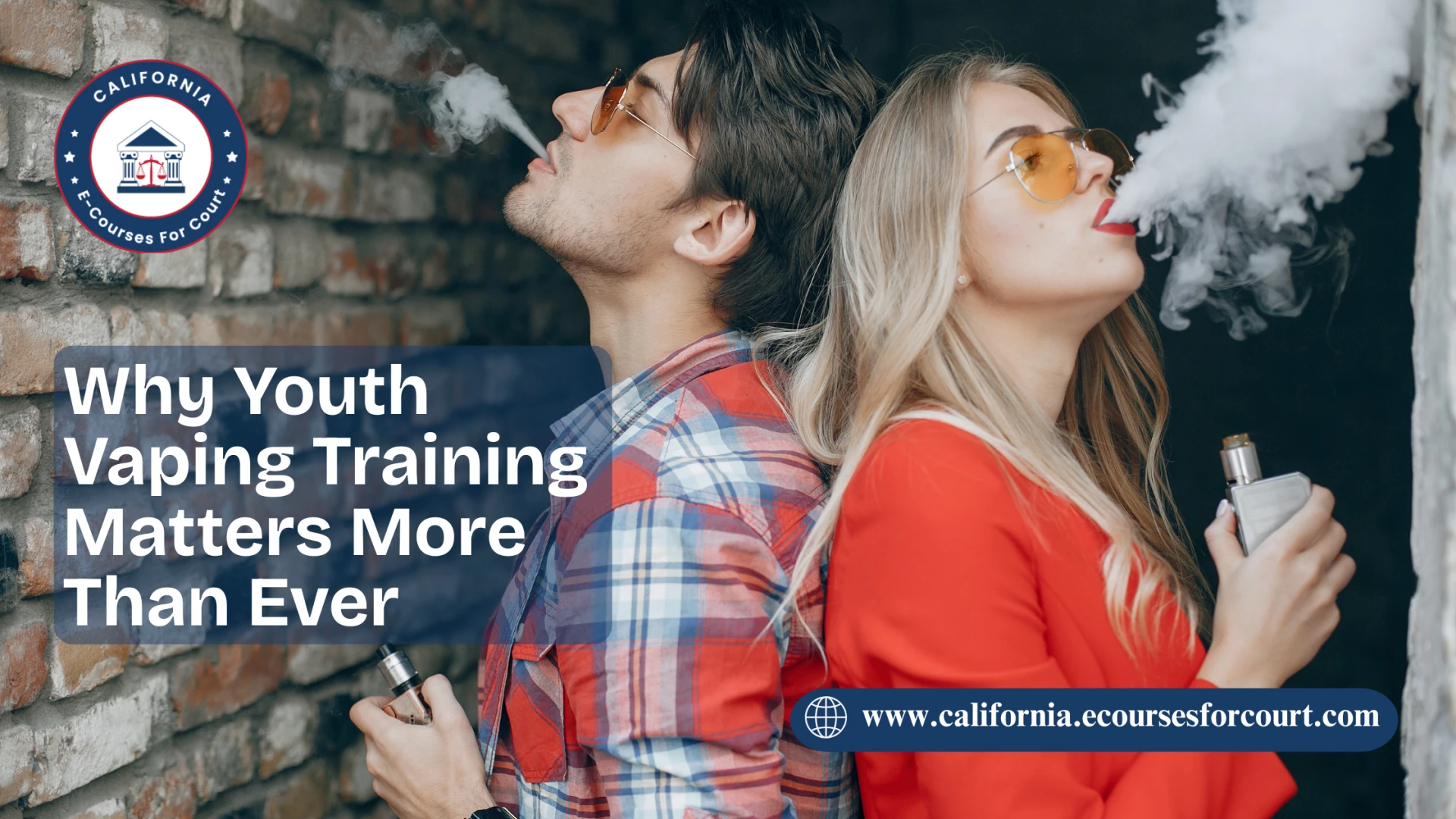
Vaping has emerged as a primary public health worry regarding adolescents and young adults. In response, educational institutions, neighborhood groups, and learning providers throughout the state have launched efforts centered on prevention and instruction. A vaping awareness program California aims to equip young individuals with knowledge about the health hazards of vaping and nicotine dependency, while also fostering healthier life choices.
These programs focus on smoking and vaping awareness by providing factual information about vaping devices, nicotine dependence, and the long-term impact of tobacco-related products. Many schools now recommend or require youth vaping training as part of their student education or disciplinary programs.
Understanding how these programs work and why they are important can help parents, educators, and students take proactive steps toward prevention.
What Is a Vaping Awareness Program in California?
A vaping awareness program California is an instructional session intended to inform pupils and younger people about the perils of vaping and tobacco consumption. These initiatives seek to curb nicotine use among youth by boosting comprehension and encouraging thoughtful judgment.
Such programs are commonly used by:
- Schools and school districts
- Youth prevention programs
- Parents seeking educational resources
- Community health organizations
In many cases, students who violate school policies related to vaping may be asked to complete a smoking and vaping awareness course instead of facing suspension. The goal is to educate students rather than simply punish them.
Through structured lessons and discussions, participants gain a better understanding of how vaping affects their health and future.
Why Smoking and Vaping Awareness Education Matters
The popularity of e-cigarettes and vaping devices has increased significantly among teenagers. Many young people believe vaping is less harmful than traditional smoking, but the reality is that many vaping products contain nicotine and other harmful chemicals.
Programs focused on smoking and vaping awareness help address these misconceptions and provide accurate information.
Preventing Nicotine Addiction
Nicotine is highly addictive, especially for adolescents whose brains are still developing. Early exposure can lead to long-term dependence and increased risk of using other tobacco products.
Protecting Youth Health
Vaping may affect lung health, heart function, and brain development. Awareness education explains how these health risks can impact young people both now and in the future.
Building Informed Decision-Making
Educational programs encourage students to think critically about peer pressure, marketing influences, and social trends related to vaping.
Supporting Tobacco Prevention Efforts
Many public health initiatives in California emphasize tobacco prevention education to reduce youth nicotine use and promote healthier communities.
What Students Learn in Youth Vaping Training
A structured youth vaping training program provides students with clear, research-based information about vaping and tobacco products. The goal is to help them understand the risks and make responsible choices.
Typical lessons in youth vaping training include:
Understanding Vaping Devices
Participants learn how e-cigarettes, vape pens, and disposable devices work. The course explains how nicotine and aerosol chemicals enter the body.
Health Effects of Vaping
Programs explain how vaping may impact the lungs, heart, and brain. Students also learn about potential respiratory issues linked to vaping.
Nicotine and Brain Development
Teenagers are particularly vulnerable to nicotine addiction because their brains are still developing. Youth vaping training highlights how nicotine can affect attention, memory, and mood.
Social and Legal Consequences
In California, laws restrict the sale and use of tobacco and vaping products to individuals under 21. Awareness programs often include information about these legal restrictions.
Resisting Peer Pressure
Students learn practical strategies to avoid vaping and manage situations where friends or peers encourage risky behavior.
Who Should Participate in a Vaping Awareness Program?
A vaping awareness program California can benefit a wide range of participants.
Students
Schools may require students who are caught vaping to complete a smoking and vaping awareness course as part of their disciplinary process.
Parents and Families
Parents who want to educate their children about the dangers of nicotine can use youth vaping training as a preventive learning tool.
Youth Organizations
Community groups and youth development programs often include vaping awareness education to support healthy lifestyles.
Schools and Educators
Schools increasingly incorporate nicotine addiction education into their health curriculum to address the growing trend of vaping among teenagers.
Benefits of Taking a Vaping Awareness Course Online
Many vaping awareness courses are now available online, making them easier for students and families to access.
Online programs offer several advantages:
Flexible Learning
Participants can complete the course from home at a convenient time.
Self-Paced Education
Students can move through the lessons at their own speed while fully understanding the material.
Convenient Completion
Online courses remove the need for in-person attendance, making them easier to complete for busy students.
Certificate of Completion
Some programs provide a completion certificate that can be submitted to schools or program administrators.
How to Choose the Right Youth Vaping Training Program
When selecting a smoking and vaping awareness course, it is important to choose a program that provides reliable and educational content.
A quality youth vaping training program should include:
- Evidence-based health information
- Clear explanations of nicotine addiction
- Age-appropriate educational materials
- Prevention-focused learning
Programs should aim to educate students while encouraging positive decision-making and healthy habits.
The Future of Vaping Prevention Education
Education continues to play a key role in reducing youth vaping. Programs that focus on smoking and vaping awareness help students understand the risks associated with nicotine and make informed choices.
A well-structured vaping awareness program California supports schools, families, and communities in their efforts to prevent nicotine addiction and promote healthier lifestyles.
By participating in youth vaping training, students gain the knowledge and awareness needed to resist peer pressure, understand the dangers of vaping, and make responsible decisions that benefit their long-term health.