
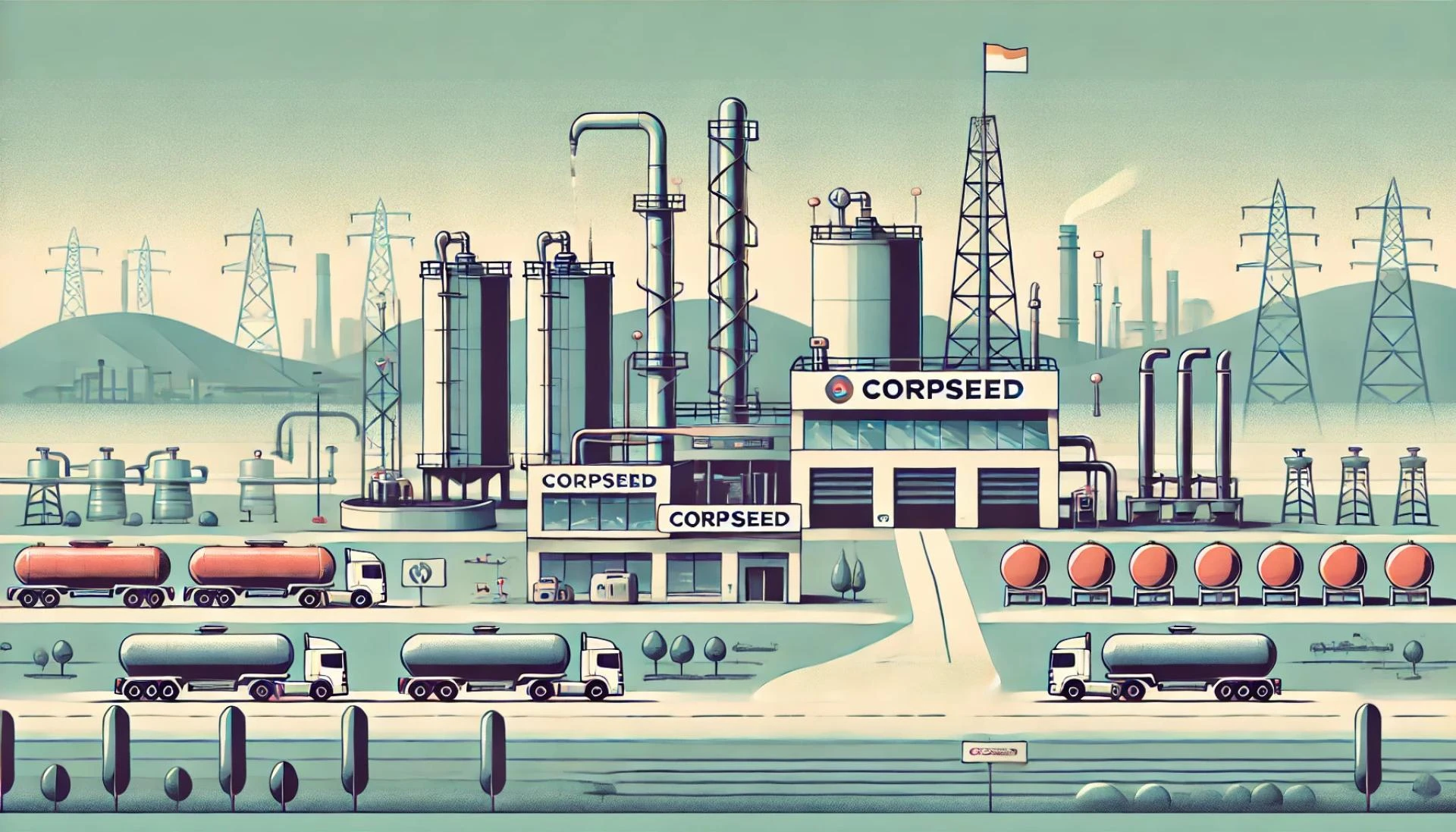
India’s automotive and industrial boom has created an unintended consequence: millions of tonnes of used oil discarded annually, from engine lubricants to hydraulic fluids. Improper disposal of this toxic waste contaminates soil, water, and air, posing severe health risks. Yet, within this challenge lies a transformative opportunity. Used oil refining, recycling, and pre-processing unit are not just compliance tools—they are gateways to a circular economy, converting hazardous waste into high-value resources while aligning with India’s sustainability ambitions.
The Circular Economy Imperative
Used oil is a hidden reservoir of potential. Contaminated with heavy metals, acids, and carcinogens, it becomes an environmental liability when dumped or burned. However, advanced used oil recycling units can recover up to 90% of base oil, which is reprocessed into lubricants, industrial fuels, or even re-refined to meet virgin oil standards. This process slashes the need for crude oil imports, reduces carbon footprints, and diverts waste from landfills. For perspective, recycling just one liter of used oil can save 3.5 kWh of energy—enough to power a household for hours.
The used oil pre-processing unit plays a pivotal role here. By removing sludge, water, and particulates through centrifugation, filtration, or thermal treatment, it prepares waste oil for refining. This step is critical to enhancing yield and quality, ensuring downstream processes like vacuum distillation or hydro-treating operate efficiently. Companies investing in integrated systems (pre-processing + refining) gain a competitive edge, minimizing waste and maximizing resource recovery.
Policy Drivers and Market Realities
India’s Hazardous Waste Management Rules, 2016 mandate safe handling of used oil, while Extended Producer Responsibility (EPR) frameworks push lubricant manufacturers and importers to ensure environmentally sound recycling. Non-compliance attracts hefty penalties, but proactive adoption of used oil refining units unlocks incentives. The government’s focus on “waste-to-wealth” initiatives, coupled with tax benefits for recycling projects, creates a fertile ground for investment.
Globally, re-refined oil is a $6 billion industry, growing at 5% annually. In India, demand for recycled lubricants is rising as industries prioritize cost efficiency and ESG compliance. Automotive giants and power plants are increasingly opting for re-refined oils, which perform comparably to virgin products at 20-30% lower costs. With lubricant consumption projected to reach 3.5 million tonnes by 2030, used oil recycling units are poised to become linchpins in India’s industrial supply chain.
Technological Innovations Redefining the Sector
Traditional recycling methods, like acid-clay treatments, are being phased out due to inefficiency and secondary pollution. Modern used oil refining units employ cutting-edge technologies:
- Vacuum Distillation: Separates base oil from contaminants at low pressures, preserving oil quality.
- Hydroprocessing: Uses hydrogen to remove impurities, producing API Group II/III base oils suitable for premium applications.
- Plasma Pyrolysis: Converts unrecyclable residues into syngas, ensuring zero waste.
These innovations not only improve output but also reduce energy consumption by 40-50%, making operations economically viable and environmentally scalable. For instance, automated pre-processing units with IoT sensors optimize resource use, minimizing downtime and operational costs.
Strategic Challenges and Untapped Opportunities
Despite progress, India recycles less than 20% of its used oil, with the informal sector handling most collections unsafely. Bridging this gap requires organized collection networks and public awareness. Companies can partner with garages, fleet operators, and municipalities to secure feedstock, while blockchain-based traceability systems can ensure transparency in waste oil sourcing.
Another opportunity lies in niche markets. Re-refined base oils are prized in pharmaceuticals, cosmetics, and biofuel production. For example, recycled oil derivatives are used in asphalt extenders, reducing road construction costs. By diversifying product portfolios, used oil refining and recycling units can tap into high-margin sectors beyond traditional lubricants.
The Global Context: India’s Role in a Greener Future
Europe and the U.S. recycle over 60% of their used oil, driven by stringent regulations and consumer demand. India, with its vast informal recycling network and growing formal infrastructure, has the potential to lead emerging markets. Initiatives like the Swachh Bharat Mission and the National Lubricant Policy underscore this ambition, positioning used oil pre-processing and recycling units as critical to India’s sustainable industrialization.
Conclusion: From Liability to Legacy
Investing in used oil refining, recycling, and pre-processing units transcends regulatory compliance. It’s a strategic move to future-proof businesses against resource scarcity, regulatory shifts, and climate risks. Companies that innovate today will dominate a market where waste is currency, sustainability is a differentiator, and circularity is the new norm.
As India accelerates its net-zero goals, the used oil recycling sector will emerge as a silent hero—turning environmental hazards into economic assets. The question isn’t whether to invest, but how quickly to act. The future belongs to those who see waste not as an endpoint, but as the beginning of value.