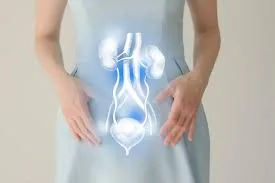
Urinary incontinence refers to the unintentional leakage of urine. It can affect both men and women and may occur occasionally or become a persistent problem. Although urinary leakage can feel embarrassing, it is a common medical concern and can often be managed with appropriate treatment.
Urinary incontinence treatment in Dubai depends on the type of incontinence, its underlying cause, the severity of symptoms, and the person's overall health. Treatment may range from lifestyle changes and pelvic floor exercises to medicines and specialized procedures.
Understanding the Types of Urinary Incontinence
Urinary incontinence does not have a single cause or presentation. Stress incontinence occurs when urine leaks because pressure is placed on the bladder, such as during coughing, sneezing, laughing, exercise, or lifting.
Urge incontinence involves a sudden and strong need to urinate that may be difficult to control. It is often associated with an overactive bladder.
Some people experience mixed incontinence, which combines symptoms of stress and urge incontinence. Overflow incontinence can occur when the bladder does not empty completely, leading to frequent or continuous leakage.
Identifying the type of incontinence is an important part of selecting appropriate treatment.
Common Causes of Urinary Incontinence
Several factors can contribute to urinary leakage. Weak or damaged pelvic floor muscles may contribute to stress incontinence, particularly following pregnancy and childbirth. Increased abdominal pressure, certain surgeries, neurological conditions, and some medications can also play a role.
Urge incontinence may be associated with overactive bladder muscles, urinary tract problems, constipation, neurological conditions, or lifestyle factors such as excessive caffeine or alcohol consumption.
Overflow incontinence may result from an obstruction that prevents the bladder from emptying completely. In men, an enlarged prostate can sometimes contribute to this type of problem.
Because the causes vary, professional assessment is important rather than relying on self-treatment alone.
Assessment and Diagnosis
A medical assessment can help determine why urinary leakage is occurring. During an evaluation, a healthcare professional may ask about urinary frequency, urgency, leakage episodes, fluid intake, medications, previous surgeries, and other symptoms.
Keeping a bladder diary can also provide useful information about how often a person urinates, how much fluid they consume, and when leakage occurs. Depending on the symptoms, additional testing or referral to a specialist may be recommended.
An accurate diagnosis helps ensure that treatment addresses the underlying problem rather than simply managing the symptoms.
Lifestyle Changes
Lifestyle adjustments are often considered among the first steps in managing urinary incontinence. Depending on the individual's symptoms, reducing excessive caffeine or alcohol intake may help. Maintaining a healthy weight can also be beneficial because excess weight can increase pressure on the bladder.
Fluid intake should be balanced rather than drastically restricted. Drinking too much or too little can potentially worsen bladder symptoms, so individualized advice is preferable.
Pelvic Floor Exercises
Pelvic floor muscle training is commonly recommended for urinary incontinence. These muscles help support the bladder and urethra and contribute to urinary control.
A structured pelvic floor exercise program can help strengthen these muscles and may be particularly useful for people with stress incontinence. A specialist can assess pelvic floor function and recommend an appropriate exercise program.
Consistency is important because improvements may take time.
Bladder Training
Bladder training may be recommended for people experiencing urgency or urge incontinence. It involves gradually increasing the time between bathroom visits and learning techniques to manage the sensation of urgency.
Bladder training may also be combined with pelvic floor exercises for people who have mixed symptoms.
The approach should be tailored to the individual's symptoms and medical circumstances.
Medicines for Urinary Incontinence
When lifestyle changes and exercises do not provide enough improvement, medication may sometimes be considered. The appropriate medicine depends on the type of incontinence.
Certain medicines can help manage symptoms associated with urge incontinence or overactive bladder. Other medications may be considered in specific cases of stress incontinence. Medical supervision is important because medicines can have side effects and may not be suitable for everyone.
Advanced Treatment Options
For some people, non-surgical treatment may not provide sufficient relief. Depending on the type of urinary incontinence, specialists may consider procedures or surgery.
For urge incontinence, options can include bladder injections with botulinum toxin or nerve stimulation treatments. Certain surgical procedures may also be considered for appropriate patients.
Treatment for stress incontinence can include procedures such as urethral bulking or surgical approaches in selected cases. The appropriate option depends on the patient's symptoms, anatomy, health, and treatment goals.
Managing Urinary Incontinence Effectively
Seeking urinary incontinence treatment in Dubai can be an important step for people experiencing persistent leakage, urgency, or bladder-control problems. Treatment should begin with identifying the underlying cause and type of incontinence.
With appropriate assessment and individualized care, management may involve lifestyle changes, pelvic floor training, bladder training, medication, or specialized procedures.
Urinary incontinence should not simply be accepted as an unavoidable part of aging. Speaking with a qualified healthcare professional can help identify potential causes and determine which treatment options may be appropriate.