In today's busy world, muscle tension and soreness are prevalent, whether from strenuous workouts, long hours at a desk, or everyday stress. Just putting up with this discomfort isn't ideal. In fact, adequate recovery is vital for your overall well-being, boosting physical performance, and even preventing injuries.
That's where a muscle relaxation massager becomes so helpful. These accessible tools let you take charge of your self-care and recovery, offering targeted relief whenever you need it. This guide will help you sort through the many options, giving you clear insights to pick the best one for your needs, so you can truly unwind, recover faster, and enjoy a better quality of life.
The Importance Of Muscle Relaxation And Recovery
Proper muscle relaxation and recovery are fundamental pillars of good health and physical performance. Neglecting them can lead to chronic discomfort, reduced mobility, and increased risk of injury.
Reduces Pain and Soreness
Massage helps alleviate discomfort caused by muscle knots, stiffness, and post-exercise soreness by increasing blood flow and releasing tension.
Improves Flexibility and Range of Motion
Regular massage can break down adhesions in muscle tissue and fascia, leading to greater flexibility and improved movement around your joints.
Decreases Stress and Promotes Better Sleep
The physical act of massage triggers the body's relaxation response, lowering stress hormones and calming the nervous system, which in turn can lead to more restful sleep.
Enhances Athletic Performance and Prevents Injury
By improving muscle elasticity and reducing tightness, massage helps muscles function more efficiently during exercise and lessens the likelihood of strains or tears.
Boosts Circulation
Massage stimulates blood flow, delivering essential nutrients and oxygen to tired muscles while helping to remove metabolic waste products.
Common Causes Of Muscle Tension
Muscle tension can arise from various sources, including strenuous exercise (which creates micro-tears in muscle fibers), prolonged sitting or standing (leading to poor posture), psychological stress (causing involuntary clenching), and repetitive movements.
Types Of Muscle Relaxation Massagers
The market offers a diverse range of muscle relaxation massagers, each designed with different mechanisms and best suited for specific applications.
Percussion/Massage Guns
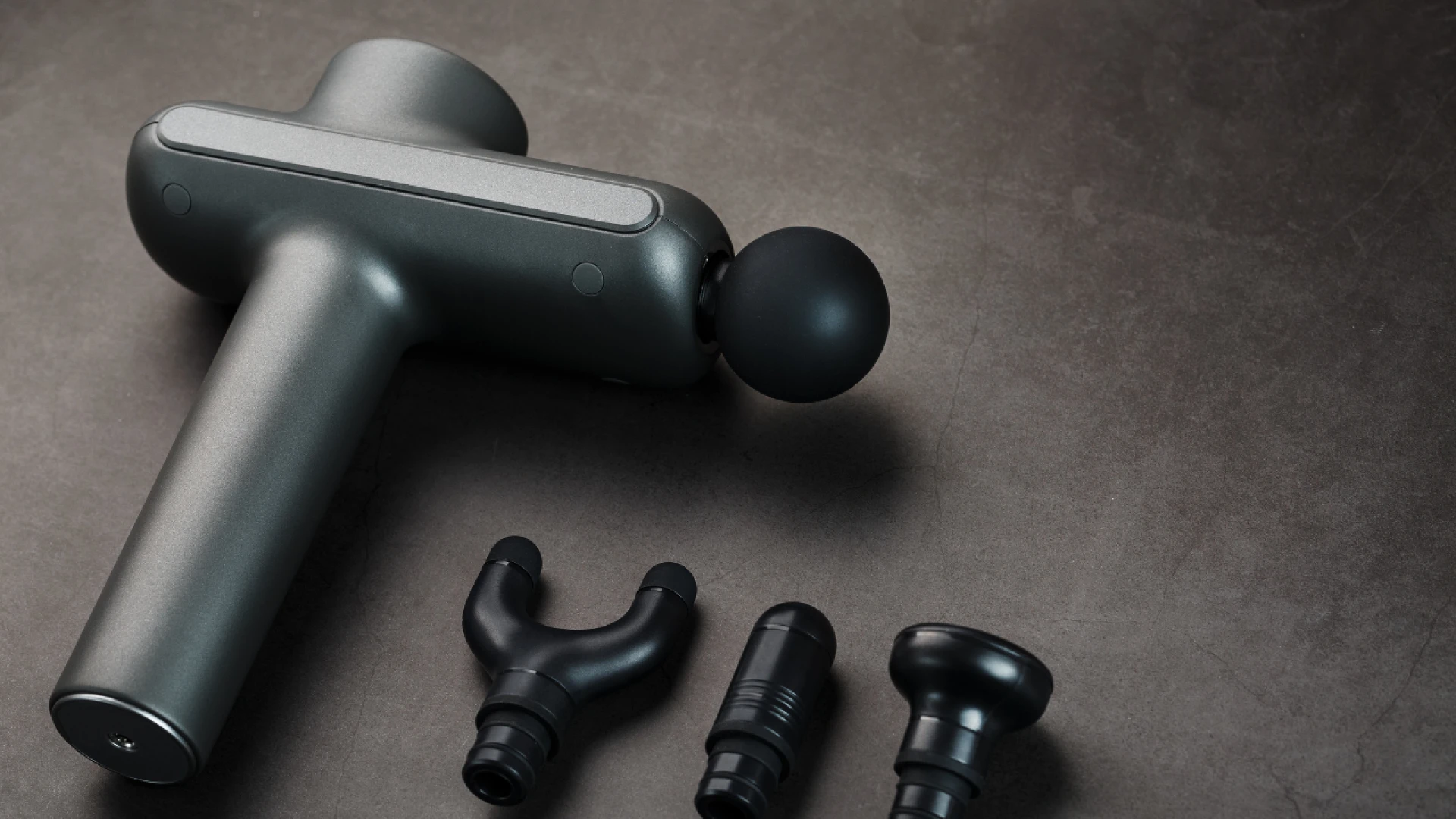
These popular devices deliver rapid, repetitive strokes (percussions) deep into the muscle tissue. They are highly effective for breaking up knots, releasing deep tension, and accelerating post-workout recovery by increasing blood flow to targeted areas. They often come with multiple interchangeable heads for different muscle groups.
Vibration Massagers (Handheld/Wands)
These massagers use high-frequency vibrations to stimulate muscles. They are generally less intense than percussion massagers and are excellent for general relaxation, warming up muscles before activity, or providing a soothing, less aggressive massage. They often have various shapes and attachments.
Shiatsu Massagers (Pillows/Cushions/Chairs)
Mimicking the finger-kneading techniques of traditional Japanese Shiatsu massage, these devices feature rotating nodes that apply pressure and deep kneading to specific areas. They are commonly found as pillows (great for neck and lower back), cushions (for chairs), or integrated into full massage chairs, providing broader area relaxation.
Foam Rollers & Massage Balls
While not electric, these manual tools are indispensable for self-myofascial release. By using your body weight to apply pressure, you can effectively work out trigger points (knots) and improve flexibility. They are excellent for pre- and post-workout routines and for addressing specific tight spots.
Electric Handheld Massagers (with heat/infrared)
These versatile handheld devices offer various massage styles like kneading, tapping, or vibrating, often combined with an optional heat function or infrared light. They are ideal for targeted relief on different body parts, and the added warmth can further soothe tense muscles.
Key Factors For Choosing The Best Muscle Relaxation Massager
Selecting the right massager involves considering several factors to ensure it aligns with your needs and preferences.
Massage Type & Intensity
Do you need deep tissue relief for stubborn knots, or a more gentle approach for general relaxation? Look for massagers with adjustable settings (speed, pressure, mode) to customize the experience. Percussion guns offer the deepest penetration, while vibration or Shiatsu massagers might be more suitable for general comfort.
Portability & Design
Consider where and when you'll use the massager. Handheld models are great for on-the-go or targeting specific areas. Fixed units like massage pillows or cushions are better for home use on larger areas. For handhelds, assess their weight and ergonomic design for comfortable use.
Battery Life/Power Source
If you plan to use your massager frequently away from an outlet, a rechargeable battery with good battery life is crucial. For stationary use or longer sessions, a corded model provides unlimited power without needing recharges.
Attachments & Features
Many massagers come with interchangeable heads or specialized features. Percussion guns, for example, have various attachments for different muscle groups or sensitivities. A heat function can greatly enhance relaxation and blood circulation, while infrared light may offer additional therapeutic benefits. Also, consider the noise level, as quieter models make for a more relaxing experience.
Durability & Build Quality
Invest in a massager made from quality materials that feels robust. Check brand reputation and read customer reviews to gauge long-term reliability.
Price & Warranty
Set a budget and look for models that offer the best features within that range. Always check the warranty terms; a good warranty indicates the manufacturer's confidence in their product.
Tips For Effective Use And Maximizing Benefits
Once you have your muscle relaxation massager, using it correctly will help you get the most out of it.
Read the Manual
This cannot be stressed enough. Each massager has specific features, settings, and safety guidelines that you must understand before use.
Start Slow
Always begin with the lowest intensity setting to gauge your body's tolerance, especially if you're new to massage or using a powerful device like a percussion gun. Gradually increase intensity as you feel comfortable.
Hydrate
Drink plenty of water before and after your massage session. Hydration helps flush out toxins released during massage and supports muscle health.
Don't Overdo It
Avoid prolonged use on a single spot, especially with percussion massagers, as this can cause bruising or discomfort. Move the massager slowly over the muscle group, focusing on areas of tension but avoiding bones and joints.
Combine with Other Recovery Methods
For optimal results, integrate your massager into a holistic recovery routine that includes stretching, proper nutrition, adequate sleep, and gentle movement.
Listen to Your Body
Massage should feel good, or at least a "good pain" that indicates tension release. If you feel sharp or increasing pain, stop immediately.
Conclusion
Choosing the right muscle relaxation massager is a valuable investment in your personal well-being, offering targeted relief from tension and significantly enhancing your recovery process. By taking the time to consider your specific needs, understanding the various types of massagers available, and evaluating key features like intensity, portability, and battery life, you can confidently select the perfect tool. This intelligent choice will empower you to effectively unwind, speed up muscle recovery, and ultimately improve your physical comfort and overall quality of life.
Elevate Your Recovery Journey!
Ready to experience more profound relaxation and faster muscle recovery? Explore a wide selection of high-quality muscle relaxation massagers designed for every need, from powerful percussion guns to soothing Shiatsu pillows. Take the first step towards better self-care and enhanced well-being by visiting reputable health and fitness retailers, such as Johnson Health Tech at www.johnson.co.th, today. Find the ideal massager to transform your unwind routine!
Frequently Asked Questions
1. How often should I use a muscle relaxation massager for best results?
For general muscle soreness or relaxation, using a massager for 10-15 minutes per muscle group, once or twice a day, is often sufficient, but individual needs and the type of massager may vary.
2. Can I use a muscle massager on all body parts, or are some areas off-limits?
While most massagers are safe for large muscle groups like the back, legs, and shoulders, it is crucial to avoid using them directly on bones, joints, major arteries, varicose veins, or areas with recent injuries or sensitive skin.
3. How do I clean and maintain my muscle massager for longevity?
To clean your muscle massager, wipe it down with a damp cloth and mild soap after each use, ensuring no moisture enters the device, and store it in a cool, dry place away from direct sunlight to prolong its lifespan.
4. Is it better to use a massager before or after a workout?
Using a massager before a workout can help warm up muscles and increase blood flow, while using it after a workout is excellent for reducing soreness, promoting recovery, and releasing post-exercise tension.
5. Can a muscle relaxation massager help with chronic pain, or is it just for acute soreness?
While muscle relaxation massagers are highly effective for acute soreness and general muscle tension, they can also provide temporary relief and contribute to the management of some types of chronic muscle pain, mainly when used consistently as part of a broader treatment plan.