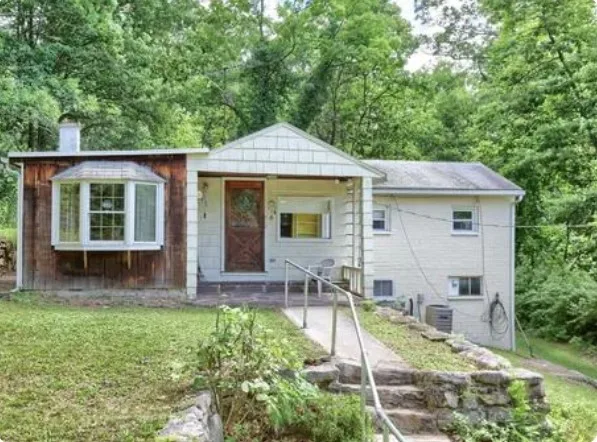

Starting with the Dream: The Reality Behind Homeownership in 2026
Imagine stepping into your own home for the very first time—a place where walls echo your laughter, where you build memories, and where your financial future starts to take shape. Yet, in 2026, this dream remains elusive for many, with homeownership rates hovering around 65% nationally, reflecting a subtle decline compared to a decade ago. This shift is partly due to evolving economic conditions and the complexities of modern real estate markets.
For first-time buyers, the path to housing has become both more challenging and nuanced. Interest rates, after fluctuating significantly in the early 2020s, have stabilized near historic lows in mid-2026, but affordability continues to be strained by rising construction costs and changing urban dynamics. Understanding how to get started with housing today requires not just financial readiness but strategic insight into the market forces and regulatory frameworks shaping the sector.
As TheOmniBuzz's recent comprehensive analysis reveals, beginning your homeownership journey now demands a well-rounded approach—one that balances aspiration with pragmatism. Whether you are a young professional, a growing family, or someone looking to invest wisely, knowing the foundational steps can make all the difference.
"Homeownership is no longer just about buying a property; it's about securing stability in a fluid market," says Amelia Zhang, a senior analyst at the National Real Estate Council.
Tracing the Evolution: How Housing Access Has Changed Over Time
The journey to homeownership has transformed dramatically over the past decades. Post-World War II America saw a boom in suburban development, fueled by government-backed loans and affordable mortgage rates. By contrast, the 2010s and early 2020s introduced new challenges: soaring urban rents, tighter lending standards post-2008 financial crisis, and demographic shifts favoring delayed homebuying.
In 2026, technology and policy innovations are reshaping housing accessibility. Digital platforms now streamline mortgage applications, while government incentives aim to boost affordable housing supply. However, economic disparities persist, and regional variations remain stark—metros like Austin and Denver report robust market activity, while legacy industrial cities face stagnation.
Understanding this historical context clarifies why prospective buyers must be adaptable and well-informed. The rise of remote work since 2020 has also altered housing preferences, with many buyers seeking properties outside traditional urban hubs, influencing demand patterns significantly.
According to data from the U.S. Department of Housing and Urban Development, "The last five years have seen a marked increase in suburban and exurban home purchases, driven largely by remote work flexibility."
Crunching the Numbers: Financial Foundations for First-Time Homebuyers
Numbers tell the story behind every successful home purchase. In 2026, the median home price in major U.S. cities stands at approximately $420,000, marking a modest 3% increase from 2025, largely due to tempered inflation and increased housing inventory. Meanwhile, mortgage interest rates average around 5.1% for 30-year fixed loans, making borrowing costs manageable yet necessitating prudent budgeting.
Key financial metrics for getting started include:
- Credit Score: A minimum of 680 is recommended to access favorable mortgage rates.
- Down Payment: Typically 5-20% of the home price, with many first-time buyers leveraging programs that reduce this burden.
- Debt-to-Income Ratio (DTI): Lenders prefer a DTI below 43%, balancing existing debts with mortgage commitments.
- Emergency Fund: Reserving at least three to six months of living expenses is advisable before committing to homeownership.
Additionally, understanding the total cost of ownership—including property taxes, insurance, maintenance, and possible Homeowners Association (HOA) fees—is critical. According to the National Association of Realtors, buyers often underestimate these ongoing expenses, which can add 20-30% to monthly housing costs.
First-time buyers should also explore federal and state assistance programs available in 2026, such as the expanded First-Time Homebuyer Tax Credit and state-sponsored down payment grants, which can significantly ease entry barriers.
2026 Market Dynamics: What’s New and What Matters
The housing market in 2026 reflects a delicate balance between supply and demand, influenced by several recent shifts. New construction has accelerated thanks to advancements in modular building technology, which reduces costs and construction times. This trend is helping to alleviate inventory shortages in high-demand areas.
Moreover, sustainability has become a significant factor. Green building certifications and energy-efficient homes are in higher demand, driven by both consumer preferences and regulatory incentives. Buyers looking to start their housing journey now must account for these trends, which may affect property values and financing options.
Financing options have diversified as well. Besides traditional mortgages, new hybrid financing products and shared equity models are gaining traction, particularly among younger buyers who seek flexibility and risk sharing with institutional investors.
However, challenges remain. Inflationary pressures on materials and labor persist, and zoning regulations in many urban centers limit new developments, contributing to affordability issues. TheOmniBuzz’s in-depth coverage of these market forces provides a valuable resource for prospective homeowners aiming to navigate these complexities effectively.
Expert Insights: Strategies for Breaking into the Housing Market
Industry experts emphasize that successful homeownership begins with education and strategic planning. Financial advisors recommend that buyers start by assessing their long-term goals and financial readiness before engaging with real estate agents or lenders.
"Start with a clear budget and get pre-approved for a mortgage to understand your purchasing power," advises Jonathan Meyer, a veteran real estate broker based in Chicago. "This approach saves time and strengthens your negotiating position."
Additionally, experts highlight the importance of location beyond price. Factors such as neighborhood growth potential, school quality, and access to amenities play crucial roles in long-term property appreciation.
Engaging with professionals—real estate agents, mortgage brokers, home inspectors—is critical to making informed decisions. Many states have also increased transparency requirements, providing buyers with richer data on property histories and neighborhood trends.
For those facing credit or income challenges, rental-to-own programs and community land trusts offer alternative pathways to ownership, expanding accessibility beyond traditional methods.
Looking Ahead: The Future of Getting Started with Housing
As 2026 progresses, the future of homeownership hinges on innovation and inclusivity. Advances in artificial intelligence and big data are enabling hyper-personalized homebuying experiences, from virtual tours to automated financial advice, making the process more accessible.
Policy initiatives aimed at increasing affordable housing supply and enhancing credit access are also expected to reshape the market. Urban planners are increasingly integrating mixed-use developments and transit-oriented housing, aligning with environmental goals and shifting lifestyles.
Buyers embarking on their housing journey should monitor these trends closely, remaining adaptable and proactive. Building a network of trusted advisors and leveraging educational resources can empower first-time homeowners to navigate potential pitfalls.
For those seeking a detailed step-by-step guide tailored to 2026 conditions, TheOmniBuzz offers The Essential Blueprint for Getting Started with Housing in 2026, a comprehensive resource designed to demystify the process and outline actionable steps.
Case Studies: Real Stories from First-Time Buyers in 2026
Consider the story of Maria and James, a young couple from Atlanta who successfully purchased their first home earlier this year. Leveraging a local government down payment assistance program and working with a community land trust, they secured a 3-bedroom townhouse in a revitalizing neighborhood for under $300,000.
They prioritized financial discipline, maintaining a 720 credit score and saving diligently over three years. Their real estate agent guided them through a competitive bidding environment, emphasizing properties with growth potential near transit hubs.
Similarly, tech professional Alex from Seattle utilized emerging modular home options, opting for a smaller, energy-efficient property that significantly reduced upfront costs and ongoing bills. This choice aligned with his environmental values and provided flexibility to upgrade later.
These examples highlight practical strategies and the diverse pathways available in today’s market, underscoring that preparation and market awareness are key to success.
- Utilize government-backed assistance programs to reduce initial costs.
- Explore modular and energy-efficient housing options for affordability.
- Work with experienced agents familiar with local market nuances.
- Focus on neighborhoods with strong future growth indicators.
- Maintain strong financial health to access better loan terms.
These narratives illustrate actionable insights for prospective buyers ready to take the plunge.
For additional guidance on developing new skills related to personal finance and investment, readers may also find value in How to Get Started with Indie Games, which, while focused on a different niche, shares principles of strategic planning and incremental growth applicable across disciplines.