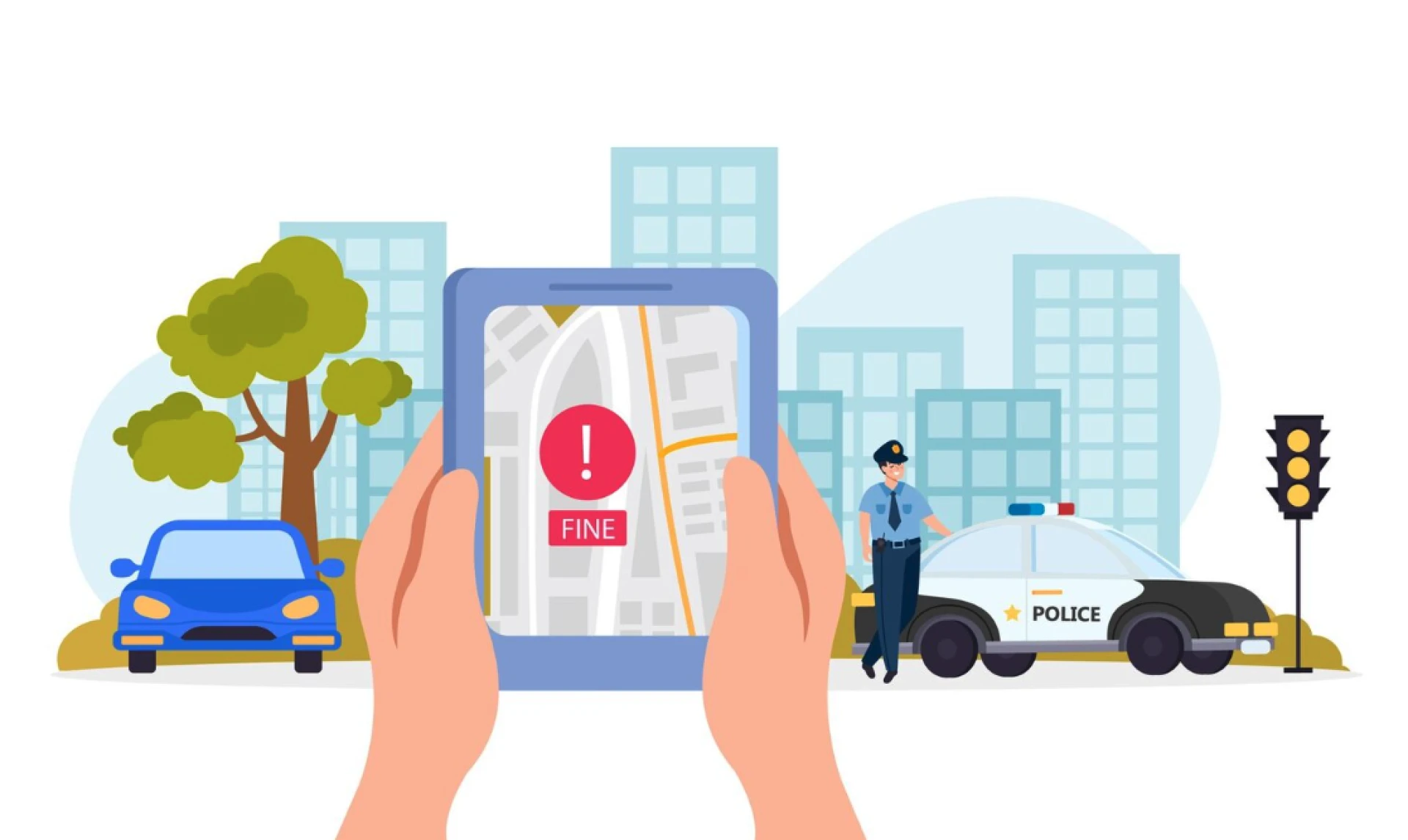
Traffic violations can lead to fines, known as vehicle challans, which can be a source of stress for many motorists. However, with the rise of digital systems, paying and tracking vehicle challans has become easier than ever. In this blog, we’ll dive into what a vehicle challan is, how they are linked to your vehicle registration, and why it’s important to track and pay them regularly. Additionally, we’ll provide some tips on how to avoid accumulating fines in the first place.
Let’s explore the details of vehicle challans and the importance of staying on top of them.
What is a Vehicle Challan?
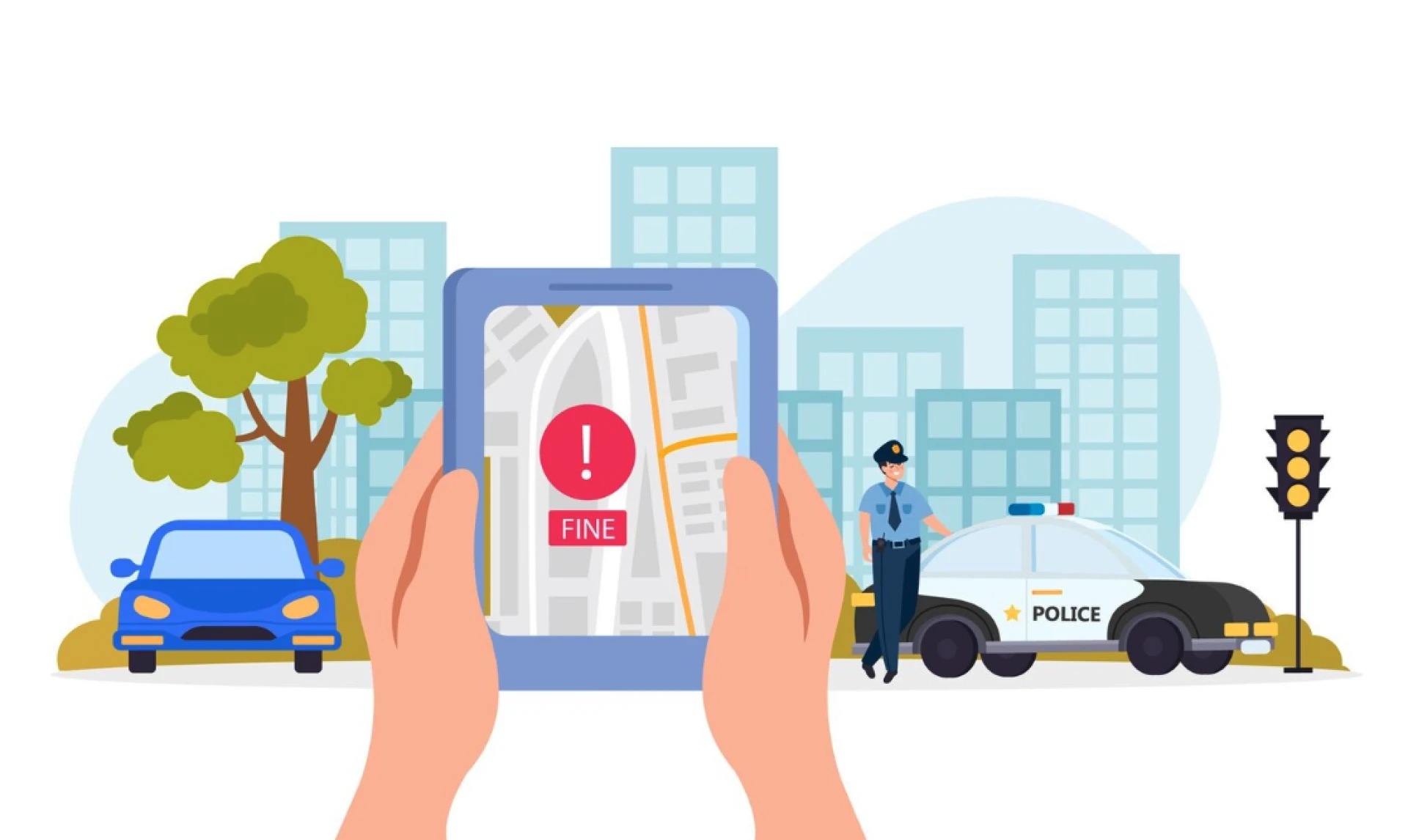
A vehicle challan is a legal document issued by the traffic authorities to a driver who has committed a traffic violation. The challan contains information about the offense, such as:
- The type of violation (e.g., speeding, illegal parking, running a red light)
- The fine amount to be paid
- Details of the vehicle (such as the registration number)
- Location and time of the offense
- Challan number and reference ID
In the past, vehicle challans were issued on paper, but nowadays, many traffic authorities have shifted to e-challans, which are digital versions of the traditional challan. These e-challans are sent via email, SMS, or can be checked and paid online. This transition to digital systems has made it much easier for drivers to keep track of their fines and take action quickly.
Why Are Vehicle Challans Linked to Your Registration?
A vehicle challan is directly linked to the vehicle's registration number. This allows traffic authorities to track violations associated with that specific vehicle. Here’s why this is important:
- Centralized Records: The vehicle registration number acts as a unique identifier for each vehicle. Traffic violations and fines are linked to the vehicle, not the driver, which means that any offenses committed by that vehicle are recorded in the system under the registration number.
- Tracking Fines: If you have multiple vehicles, each vehicle will have its own record of fines. Tracking them online becomes easy because all you need to do is enter your vehicle registration number to see any outstanding fines associated with it.
- Ownership: Vehicle owners are legally responsible for fines incurred by their vehicles. Even if someone else was driving the vehicle when the offense occurred, the challan is issued to the vehicle owner.
- Accountability: If a vehicle owner ignores or fails to pay fines, authorities can take actions like impounding the vehicle or increasing fines. This makes it important to regularly check your vehicle’s challan status.
How to Check Your Vehicle Challans Online
Checking your vehicle challan status online is straightforward, and most countries have set up official portals or mobile apps to facilitate this process. Here's how you can easily track and view your fines:
Step 1: Visit the Official Website or App
To check your vehicle challan status, visit the official portal or app for your region. For example:
- India: The Parivahan Sewa portal allows vehicle owners to check fines by entering the vehicle registration number or challan number. You can also use state-specific portals for more localized services.
- Other Countries: In the U.S., the U.K., or other countries, local government websites or city-specific traffic departments provide similar services.
Step 2: Enter Your Vehicle Registration Number
On the official website or app, enter your vehicle registration number in the search field. Some portals may also require additional information like a captcha or challan number.
Step 3: View Your Challan Details
Once you’ve entered your details, the system will display any outstanding challans linked to your vehicle. This will include:
- Violation type (e.g., speeding, parking violation)
- Fine amount
- Date and time of the offense
- Location where the violation occurred
- Status of payment (paid/unpaid)
Step 4: Pay Your Challan Online
If you find an outstanding challan, you can usually pay it directly through the portal. Many traffic websites and apps offer a variety of payment options, including:
- Credit/Debit Cards
- Net Banking
- UPI Payments
- Mobile Wallets (e.g., Paytm, Google Pay)
Once the payment is processed, you’ll receive a confirmation receipt, and your challan status will be updated to “paid” in the system.
Why It’s Important to Regularly Check Your Vehicle Challans
It’s essential to check your vehicle’s challans regularly for the following reasons:
- Avoid Penalties: If you don’t pay your fines on time, you may face additional late fees or penalties. Regularly checking your fines helps you avoid these extra charges.
- Legal Consequences: Unpaid challans can lead to more serious legal consequences, including having your vehicle impounded or facing court proceedings.
- Preventing Accumulation of Fines: Sometimes, fines can accumulate without the owner’s knowledge, especially if e-challans are issued electronically. Regular checks ensure that you’re not caught off guard by multiple unpaid fines.
- Stay Updated: New violations may be added to your vehicle’s record, and checking your challan status regularly keeps you informed about the most recent offenses and fines.
Tips for Avoiding Vehicle Challans
While it’s important to know how to pay your vehicle challans online, it’s even better to avoid them altogether. Here are some tips to help you steer clear of fines:
- Follow Traffic Rules: This may seem obvious, but the best way to avoid challans is to follow traffic rules. Always drive within speed limits, obey traffic signs, and park in designated areas.
- Stay Updated on Road Regulations: Traffic laws may change from time to time. Stay updated on the latest road rules in your region to avoid inadvertently breaking the law.
- Use Parking Apps: In many cities, there are mobile apps that show available parking spaces and help you avoid parking fines.
- Pay Attention to No Parking Zones: Always check parking signs before leaving your car. Parking in no-parking zones or on sidewalks can result in hefty fines.
- Maintain Your Vehicle’s Documents: Ensure that your vehicle's registration, insurance, and PUC (pollution under control) certificates are valid. Traffic police often issue fines for expired documents.
- Drive Safely: Avoid actions like speeding, jumping red lights, and using your phone while driving. Practicing safe driving habits will minimize your risk of receiving a challan.
Conclusion
A vehicle challan is a reminder of the importance of obeying traffic rules, and it’s crucial to stay on top of any fines linked to your vehicle’s registration. With online challan check systems, it’s easier than ever to track and pay fines, ensuring you avoid penalties and legal complications. Regularly checking your vehicle challan status helps you stay informed and keeps your driving record clean.
By understanding how vehicle challans work, and using online portals to track and pay your fines, you can avoid unnecessary hassles. Moreover, following traffic rules and staying up-to-date on regulations will help you avoid accumulating fines in the first place.