What Are Vascular Procedures?
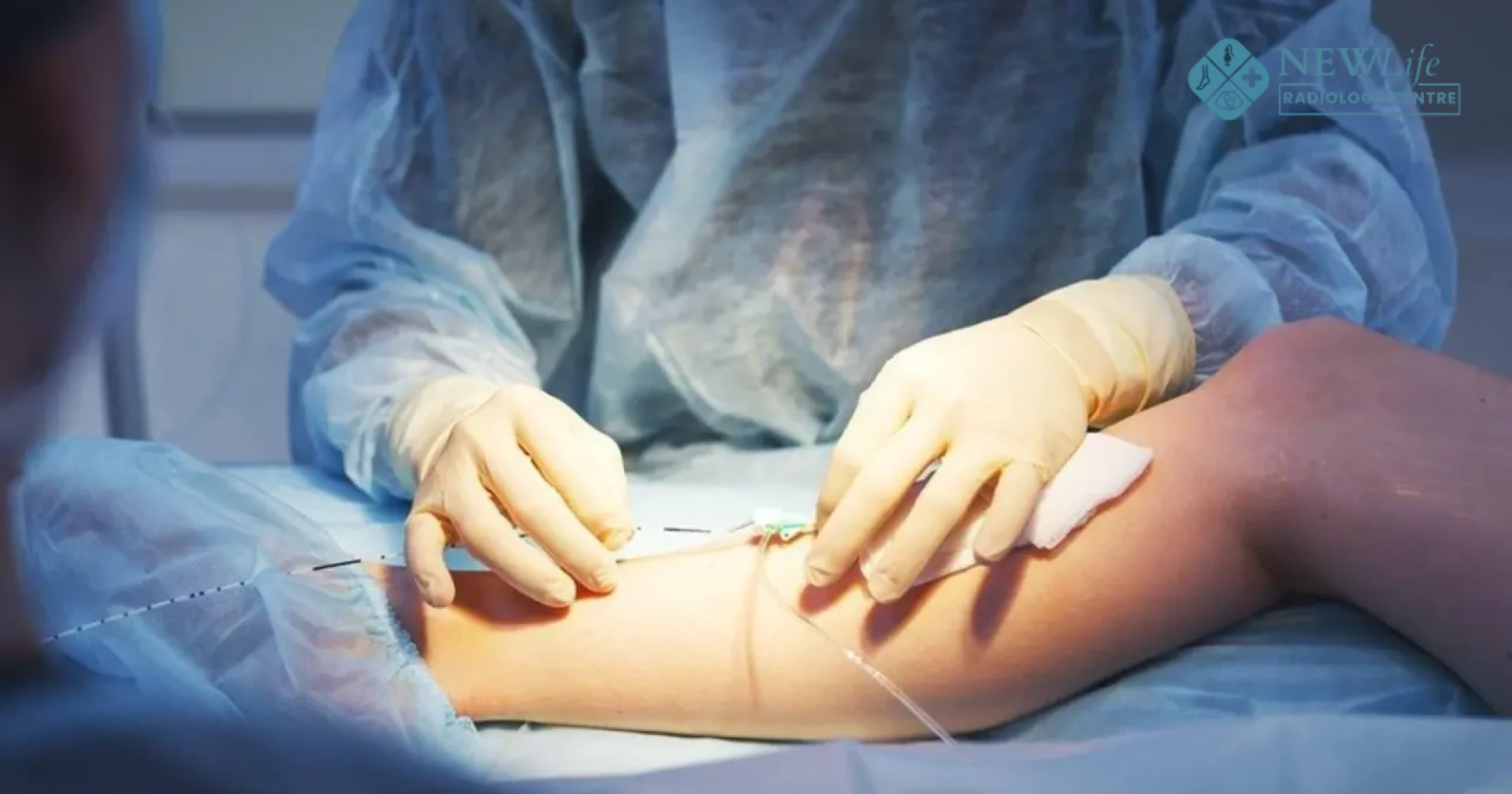
Let’s begin with a basic question—what exactly are Vascular Procedures? These are specialized medical treatments that deal with blood vessels in the body. They are done using modern imaging tools and are often performed by a trained interventional radiologist. These procedures help in diagnosing and treating conditions related to arteries and veins without the need for open surgery.
If you’ve ever searched for Vascular Procedure near me, chances are you’ve been advised by your doctor to get one done, or you’re just trying to understand it better. Either way, knowing a bit about these treatments can ease your mind and help you take the next step confidently.
Why Are Vascular Procedures Needed?
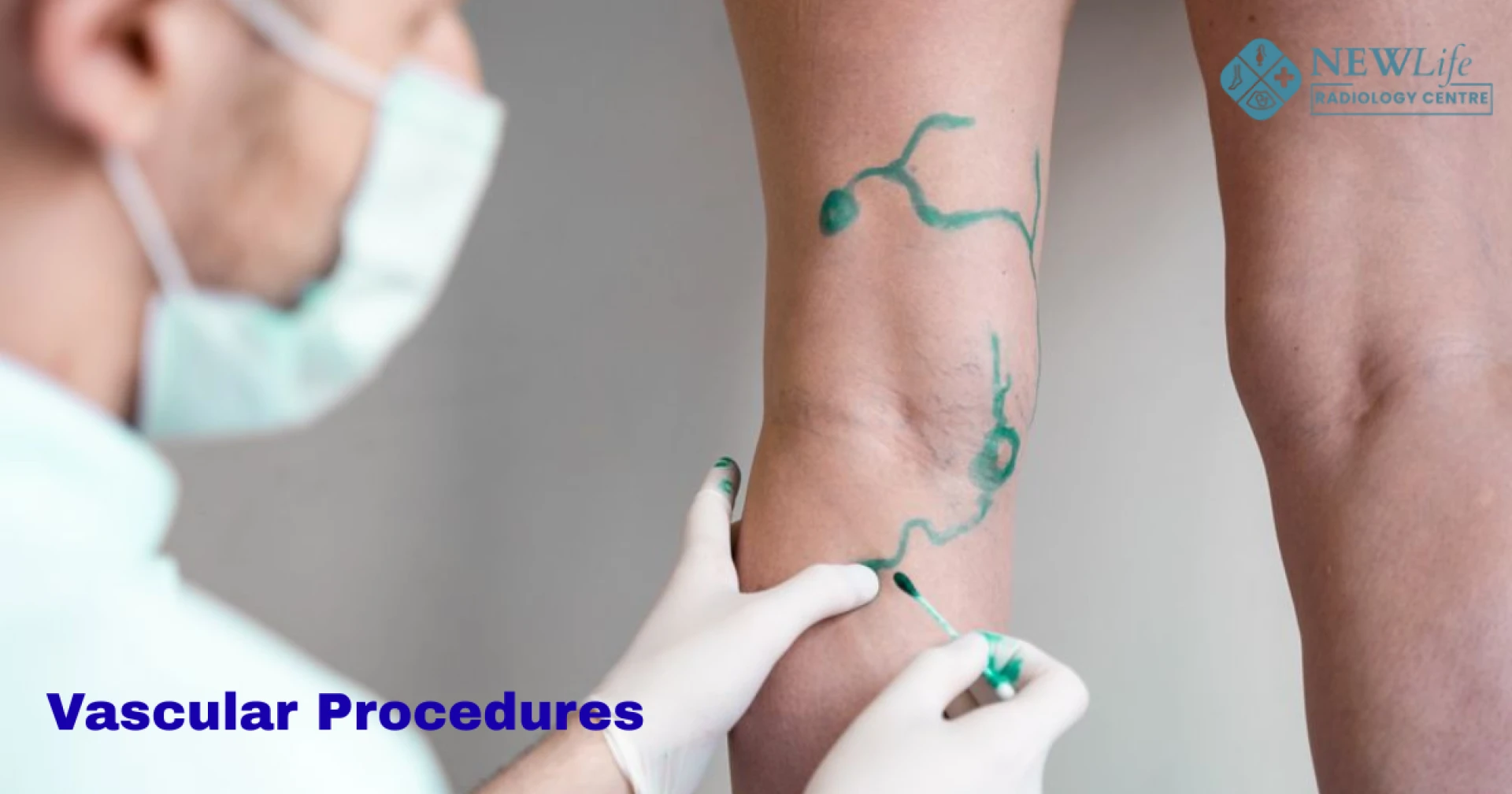
Vascular procedures interventional radiology techniques are used when there is a blockage, narrowing, or problem in the blood vessels. Blood vessels are like highways in our body—they carry oxygen-rich blood and help organs function smoothly. When something blocks that flow, it can lead to various health issues.
Here are some common conditions where vascular procedures are used:
- Blocked arteries or veins
- Blood clots
- Varicose veins
- Poor circulation in the legs
- Dialysis access support
Doctors use these methods to either open up narrowed blood vessels or to treat veins that aren’t working the way they should. These are done through small instruments with the help of imaging guidance.
Types of Vascular Imaging and Interventions
When we talk about vascular imaging and interventions, we’re referring to the process of first seeing what’s wrong using imaging tools like ultrasound, CT, or MRI, and then treating it using interventional methods.
Some commonly performed vascular procedures include:
- Angioplasty – A small balloon is used to open up narrowed or blocked arteries.
- Stent Placement – A tiny mesh tube is placed inside the vessel to keep it open.
- Thrombolysis – A special medicine is delivered directly to a blood clot to dissolve it.
- IVC Filter Insertion – A filter is placed in a vein to prevent clots from reaching the lungs.
- Varicose Vein Treatments – Special techniques are used to seal off faulty veins.
All of these are done through tiny punctures, guided by imaging, and usually require less recovery time.
How Do These Procedures Feel?
Most people feel nervous when they hear the word “procedure,” and that’s totally understandable. But vascular procedures interventional radiology techniques are quite gentle compared to traditional surgery. They are minimally invasive, often done under local anesthesia, and the recovery is usually quicker.
During the procedure, the radiologist uses imaging tools to see what’s happening inside and guide the instruments carefully. If you’re looking for the best radiologist in Thane, it’s important to choose someone who is skilled, patient, and explains things clearly to you. That makes a big difference in how you feel before and after the procedure.
Finding a Vascular Procedure Near Me
If you’re in Thane and looking for a Vascular Procedure near me, you might be wondering where to go. Many people prefer a clinic that is nearby, comfortable, and has experienced professionals. At New Life Radiology Clinic, we focus on making the entire process—from consultation to procedure—simple and smooth for patients.
You don’t have to travel far or get confused by complex terms. We explain each step clearly, and our team works together to keep things safe and well-organized.
The Role of Imaging in Vascular Care
Vascular imaging and interventions go hand in hand. First, detailed imaging helps locate the exact area of concern. Then, based on those images, the radiologist performs the procedure with high precision. Whether it's an ultrasound to check blood flow or a CT angiogram to see the vessels clearly, the right imaging helps make the treatment more effective and focused.
This approach helps avoid unnecessary surgery and makes the procedure less stressful for the patient.