

Tyres play a crucial role in a vehicle’s overall performance, safety, and driving comfort. Among the various factors that influence a tyre’s efficiency, the tread pattern stands out as one of the most significant. Understanding different tread designs and their impact can help drivers make informed choices based on their driving needs and road conditions.
Types of Tyre Tread Patterns
Tyre tread patterns are designed to optimize traction, stability, and fuel efficiency across various terrains. The four most common types of tread patterns include:
Symmetric Tread Pattern
A symmetric tread pattern features continuous ribs or independent tread blocks that are identical across the tyre. This pattern is commonly found in passenger vehicles and provides:
- Longer tread life due to uniform wear
- Reduced rolling resistance, improving fuel efficiency
- A quieter ride with minimal road noise
However, while symmetric tread tyres offer stability and comfort, they may not provide the best traction in extreme wet or off-road conditions.
Asymmetric Tread Pattern
Asymmetric tread patterns are designed with distinct inner and outer sections to enhance handling and water dispersion. The benefits include:
- Superior grip on both dry and wet surfaces
- Improved cornering stability, making them ideal for performance SUVs like the Hyundai Creta and Toyota Fortuner
- Enhanced braking efficiency in varying road conditions
These tyres are perfect for drivers seeking a balance between daily commuting and spirited driving.
Directional Tread Pattern
Directional tread tyres have a V-shaped design that efficiently channels water away from the tyre’s surface, reducing the risk of hydroplaning. Key advantages include:
- Excellent traction in wet conditions
- Enhanced high-speed stability
- Optimal performance in snowy or muddy terrain
SUVs such as the Mahindra Thar, known for their off-road tyres capabilities, benefit greatly from directional tread tyres.
Multi-Directional Tread Pattern
This pattern combines elements of different tread designs to provide all-around performance. It enhances grip, durability, and comfort, making it an excellent choice for mixed driving conditions.
How Tread Patterns Affect Performance
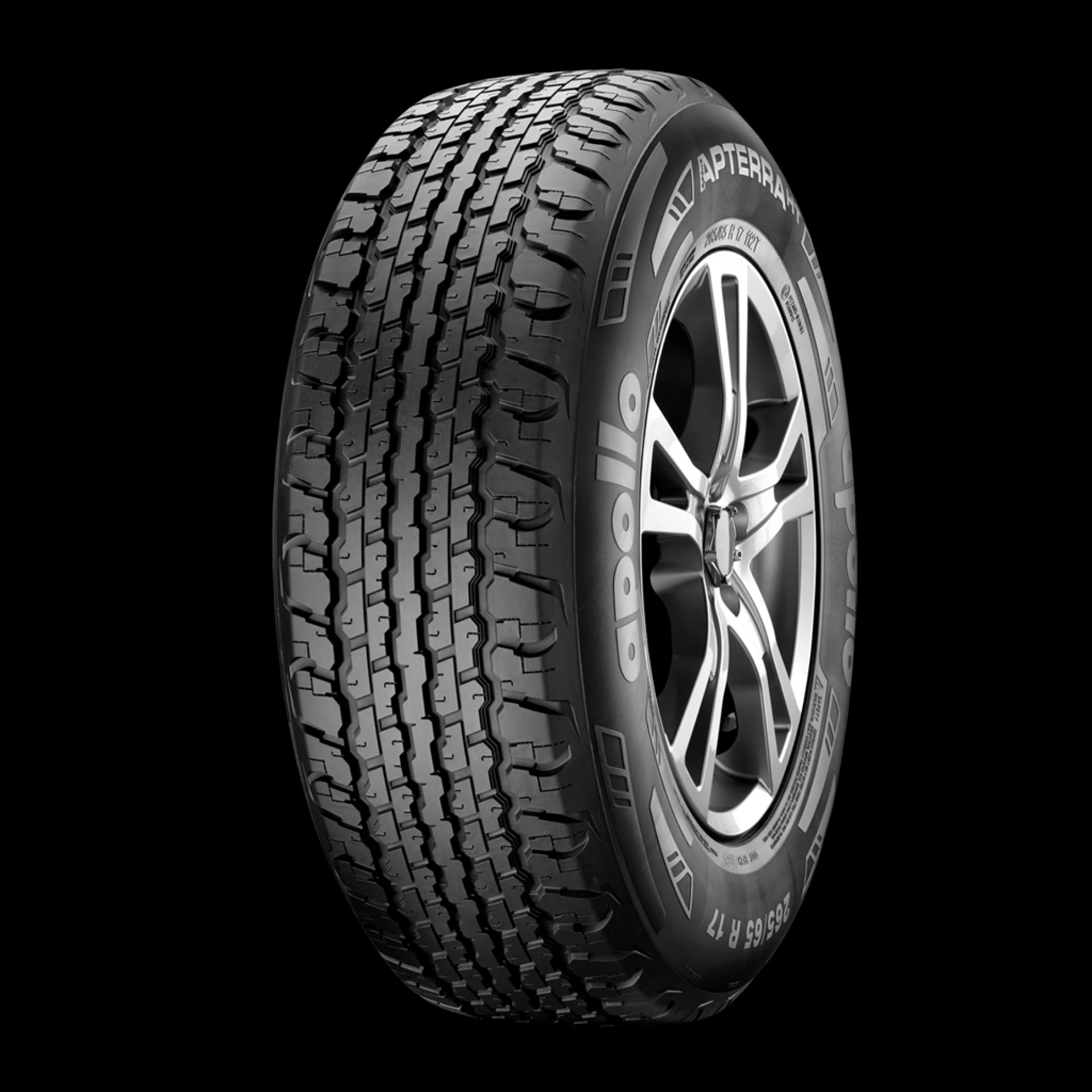
Grip & Traction – A tyre’s ability to maintain contact with the road directly depends on its tread design. For instance, Apollo Apterra Tyres, designed for SUVs, offer excellent grip across diverse terrains, ensuring stability and control.
Water Dispersion – Directional and asymmetric tread patterns reduce the risk of skidding in wet conditions by channeling water efficiently.
Fuel Efficiency – Tread patterns with lower rolling resistance, such as symmetric designs, help improve fuel economy.
Noise Levels – Some tread patterns produce more road noise than others. Symmetric and asymmetric designs are preferred for a quieter ride.
Durability – Off-road driving demands robust tread patterns, such as those found in Apterra Tyres, which are designed to withstand rugged terrains.
Choosing the Right Tyre for Your SUV
Selecting the right tyre depends on your driving habits and road conditions. If you drive mainly on highways and city roads, an asymmetric or symmetric tread pattern will serve you best. For adventure seekers and off-road enthusiasts driving vehicles like the Mahindra Thar, directional tread tyres are the preferred choice.
Final Thoughts
Understanding tyre tread patterns can significantly impact your vehicle’s performance and safety. Investing in high-quality tyres such as Apollo Apterra Tyres ensures enhanced durability, grip, and overall driving experience. Whether you’re navigating city streets or conquering rugged terrains, choosing the right tread pattern will help you make the most of every journey.