
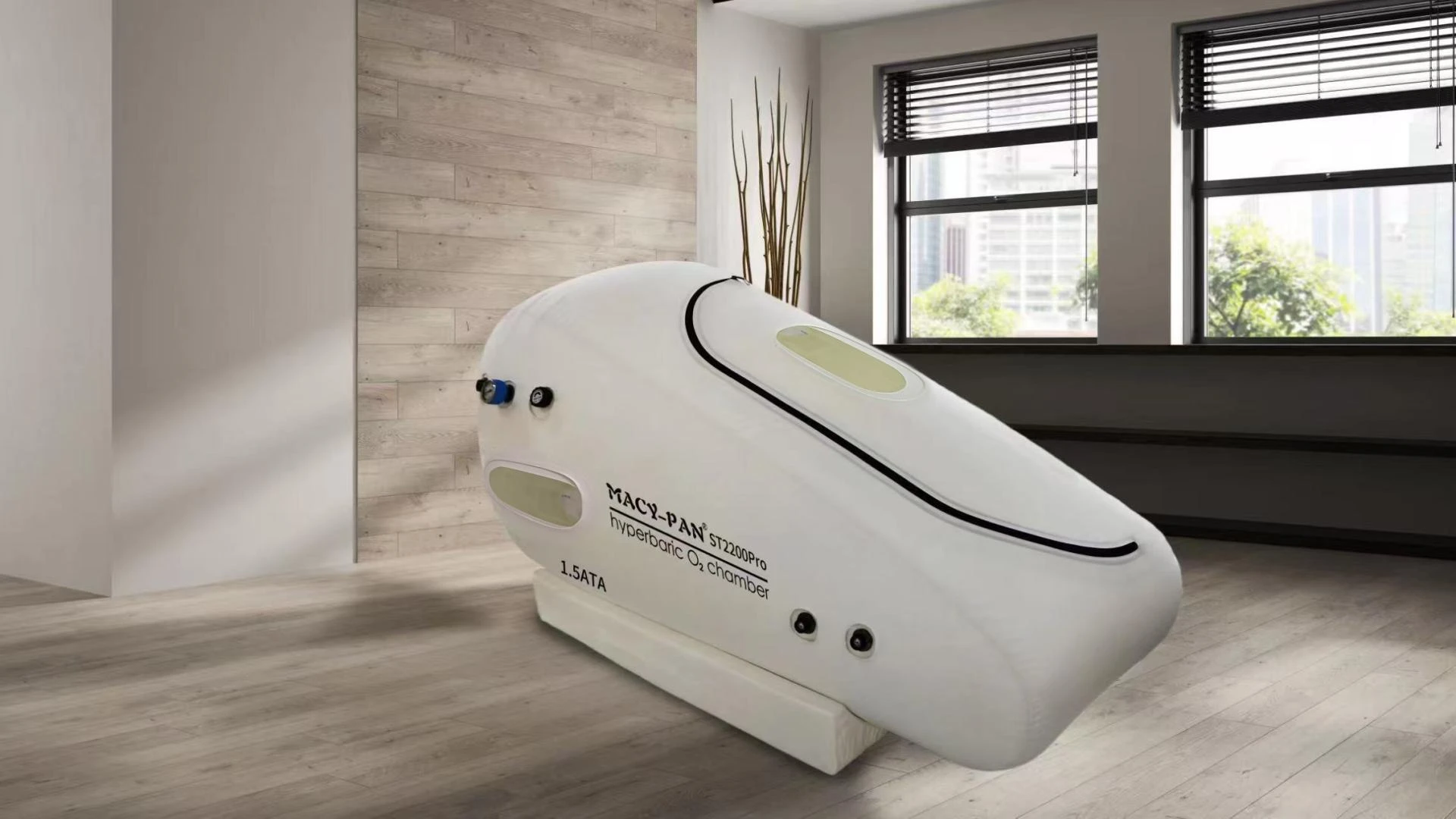
Hyperbaric oxygen therapy (HBOT) has steadily moved from hospital-based treatment rooms into wellness clinics, athletic recovery centers, and even private homes. As more people explore this therapy, safety has become the single most important factor guiding purchasing and usage decisions. Among the many options available today, the macy pan hyperbaric oxygen chamber is often discussed for its balance of portability, accessibility, and user-focused design.
This article takes a deep, experience-driven look at the safety protocols surrounding the Macy Pan system. Rather than technical jargon or sales-heavy claims, the goal here is to explain why these safety measures exist, how they protect users, and what buyers should realistically expect—especially those considering a hyperbaric oxygen chamber for sale for personal or home use.
Why Safety Protocols Matter in Hyperbaric Oxygen Therapy
Hyperbaric therapy works by increasing atmospheric pressure while delivering higher oxygen concentrations. This combination enhances oxygen absorption in the bloodstream, supporting tissue repair, circulation, and recovery. However, anytime pressure and oxygen are involved, safety cannot be an afterthought.
Unlike clinical monoplace chambers found in hospitals, portable and mild hyperbaric chambers rely on user responsibility. That’s where strong design standards, fail-safes, and clear protocols make all the difference. A well-built portable hyperbaric chamber for home use must prioritize safety as much as performance—if not more.
Overview of the Macy Pan Hyperbaric Oxygen Chamber
Before diving into safety protocols, it helps to understand what the Macy Pan chamber is designed to do.
The macy pan hyperbaric oxygen chamber is typically classified as a mild hyperbaric system, operating at lower pressure levels (usually around 1.3 to 1.5 ATA). These levels are widely considered appropriate for home wellness, athletic recovery, and supportive therapy under professional guidance.
Key characteristics often include:
- Soft-sided or semi-rigid chamber construction
- External air compressor and oxygen concentrator compatibility
- Zippered entry with reinforced seals
- Pressure relief valves
- Internal communication visibility
Each of these components plays a direct role in safety, not just convenience.
Material Safety and Structural Integrity
Medical-Grade Construction
One of the most overlooked safety elements in any hyperbaric system is the chamber material itself. The Macy Pan chamber is typically constructed using reinforced, medical-grade fabric designed to withstand repeated pressurization cycles.
This matters because pressure fatigue is real. Over time, inferior materials can weaken, stretch, or develop micro-tears. High-quality stitching, layered fabric, and reinforced seams reduce this risk significantly.
Pressure Rating and Testing
Every legitimate hyperbaric chamber undergoes pressure testing beyond its intended operating range. This ensures that normal daily use never approaches structural limits. Users should always verify pressure ratings before purchasing any hyperbaric oxygen chamber for sale, as this directly reflects manufacturing standards.
Controlled Pressurization and Depressurization Protocols
Gradual Pressure Changes
One of the core safety principles in hyperbaric therapy is gradual pressure adjustment. Rapid pressurization or depressurization can cause discomfort, ear barotrauma, or sinus stress.
The macy pan hyperbaric oxygen chamber is designed to work with controlled compressors that increase pressure slowly. Users are typically instructed to:
- Equalize ears frequently during pressurization
- Avoid rushing sessions
- Pause pressure increase if discomfort occurs
This controlled approach mirrors clinical best practices, adapted for home use.
Emergency Pressure Release Valves
Another critical safety feature is the emergency pressure relief valve. These valves automatically regulate internal pressure if it exceeds safe limits. In real-world use, this provides peace of mind—especially for first-time users who may worry about being “stuck” inside.
Oxygen Safety and Fire Prevention Measures
Oxygen Concentration Control
Contrary to popular belief, most mild hyperbaric chambers—including the Macy Pan—do not flood the chamber with pure oxygen. Instead, oxygen is delivered via mask or nasal cannula, keeping ambient chamber oxygen levels close to normal air.
This design choice dramatically reduces fire risk, which is one of the most serious concerns in hyperbaric environments.
Fire-Resistant Materials
Safety protocols also extend to fire prevention through material selection. Chambers are manufactured using flame-resistant fabrics, and users are strictly advised to:
- Avoid electronic devices not approved for use
- Never bring flammable items inside
- Wear cotton clothing rather than synthetic fabrics
These guidelines may seem simple, but they form the backbone of safe hyperbaric practice.
User Monitoring and Visibility
Clear Visibility Design
One reassuring feature of the macy pan hyperbaric oxygen chamber is its transparent or semi-transparent viewing panels. These allow users to maintain visual awareness of their surroundings and reduce anxiety during sessions.
For home users, visibility also enables caregivers or family members to monitor sessions from outside—an important safety layer for elderly users or those new to therapy.
Internal Communication Comfort
While portable chambers don’t include intercom systems like hospital units, safety protocols emphasize comfort and orientation. Many experienced users recommend:
- Keeping a phone nearby (outside the chamber)
- Establishing hand signals with a helper
- Starting with shorter sessions to build confidence
These practices align with real-world usage rather than idealized scenarios.
Electrical and Compressor Safety Standards
External Compressor Placement
A crucial safety detail is that compressors and oxygen concentrators remain outside the chamber. This separation minimizes heat buildup and electrical risk inside the pressurized environment.
Anyone browsing a hyperbaric oxygen chamber for sale should ensure that all electrical components are external and properly ventilated.
Overheat Protection
Modern compressors used with the Macy Pan system are designed with automatic shutoff features. If overheating or airflow blockage occurs, the system powers down rather than continuing unsafely.
This is particularly important for long or daily sessions common in home wellness routines.
Hygiene, Cleaning, and Infection Control
Antimicrobial Interior Surfaces
Safety isn’t only about pressure and oxygen—it’s also about hygiene. Reputable chambers use interior materials that resist moisture buildup and microbial growth.
Regular cleaning protocols typically include:
- Wiping interior surfaces after each session
- Allowing the chamber to fully air-dry
- Using manufacturer-approved cleaners only
These steps prevent mold, odors, and bacterial accumulation over time.
Personal Use Best Practices
For those using a portable hyperbaric chamber for home use, personal hygiene protocols matter even more. Clean clothing, dry skin, and proper oxygen mask maintenance all contribute to safer sessions.
Training, Education, and User Responsibility
Manufacturer Guidelines
No safety protocol is effective if ignored. Macy Pan chambers typically include detailed user manuals outlining:
- Session duration limits
- Pressure recommendations
- Contraindications and warnings
Following these guidelines is not optional—it’s essential.
Medical Clearance and Awareness
While mild hyperbaric therapy is generally considered safe, certain conditions require medical consultation. These may include:
- Untreated pneumothorax
- Severe ear or sinus issues
- Certain lung conditions
Responsible ownership of a macy pan hyperbaric oxygen chamber means knowing when not to use it.
Long-Term Safety and Maintenance Protocols
Routine Inspections
Over months and years of use, safety depends on regular checks. Experienced users often inspect:
- Zippers and seals
- Pressure hoses
- Valve functionality
These simple inspections prevent minor wear from becoming a safety issue.
Professional Servicing
Some manufacturers recommend periodic professional servicing, especially for compressors and concentrators. This step is often overlooked but plays a big role in long-term safety and reliability.
Real-World Experience: What Users Actually Feel
From personal experience and feedback from long-term users, safety protocols quickly become second nature. The first few sessions may feel unfamiliar, but once routines are established, the Macy Pan chamber feels more like a wellness cocoon than a medical device.
Users often report that knowing the safety systems are in place—pressure relief valves, controlled airflow, durable materials—allows them to relax fully. And relaxation, ironically, enhances the therapeutic effect.
Choosing the Right Chamber with Safety in Mind
If you’re comparing options and scanning listings for a hyperbaric oxygen chamber for sale, safety should always outweigh price or aesthetics. The macy pan hyperbaric oxygen chamber stands out not because it eliminates risk entirely—but because it acknowledges risk and designs responsibly around it.
A well-built portable hyperbaric chamber for home use should make safety feel intuitive, not intimidating.
Final Thoughts: Safety as the Foundation of Effective Therapy
Hyperbaric oxygen therapy is not a trend—it’s a tool. And like any powerful tool, it must be handled with respect, knowledge, and care. The safety protocols integrated into the macy pan hyperbaric oxygen chamber reflect years of industry learning and real-world application.
When users understand these protocols—not just follow them blindly—they gain confidence, consistency, and better outcomes. Whether you’re exploring wellness, recovery, or long-term health support, safety isn’t a feature. It’s the foundation.
By choosing a chamber designed with thoughtful safeguards and committing to responsible use, hyperbaric therapy can be both safe and deeply rewarding—right from the comfort of home.