
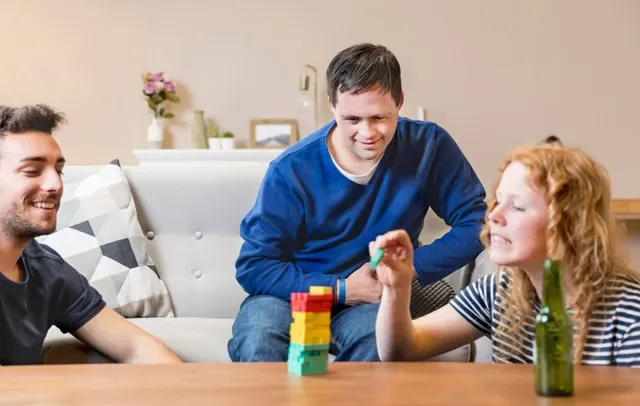
Behaviour can provide important information about how a person feels, what they need, and how they experience the world around them. Positive behaviour support services help identify the reasons behind behaviours and develop practical, respectful strategies that can be used in everyday situations. Instead of focusing only on reducing a particular behaviour, this approach aims to improve communication, safety, participation, independence, relationships, and overall quality of life.
What Is Behaviour Support?
Behaviour support is a person-centred approach that seeks to understand why a behaviour occurs. It recognises that behaviour is often a form of communication, particularly when a person finds it difficult to express needs, emotions, choices, or discomfort through spoken language.
For example, leaving a crowded room may communicate sensory overload. Refusing a task may indicate confusion, anxiety, pain, or a lack of choice. Repeatedly calling out may be a way of requesting attention, assistance, or reassurance.
Understanding the purpose behind behaviour makes it possible to develop support strategies that address the underlying need rather than responding only to the visible action.
Why Behaviour May Occur in Daily Life
Behaviour is influenced by many factors. It may change according to a person’s health, environment, communication abilities, daily routine, emotional state, and relationships.
Common factors that may affect behaviour include:
- Pain, illness, hunger, or tiredness
- Difficulty understanding instructions
- Limited ways to communicate
- Unexpected changes in routine
- Sensory sensitivities
- Anxiety, fear, or frustration
- Tasks that feel too difficult
- Crowded or unfamiliar environments
- A need for attention or connection
- Limited opportunities to make choices
Several factors may be present at the same time. For this reason, assumptions should be avoided. Careful observation and information gathering are often needed to develop an accurate understanding.
Looking Beyond the Visible Behaviour
When behaviour creates concern, the immediate reaction may be to stop it as quickly as possible. Although safety may require an immediate response, focusing only on stopping the behaviour can leave the underlying need unresolved.
A more helpful approach involves asking questions such as:
- What happened immediately before the behaviour?
- Where did it occur?
- Who was present?
- Was the person asked to complete a task?
- Did something change unexpectedly?
- Was the environment noisy or crowded?
- How did other people respond?
- What happened after the behaviour?
- Has the person recently experienced health or emotional changes?
These questions can reveal patterns. If a behaviour regularly happens before a particular activity, during transitions, or in a specific environment, this information can guide more effective support.
The Role of Functional Behaviour Assessment
A functional behaviour assessment is used to explore the possible purpose of behaviour. It involves gathering information from the individual, family members, carers, and other people who understand the person’s daily life.
The assessment may examine:
- What the behaviour looks like
- When and where it occurs
- How often it happens
- What usually happens beforehand
- How people respond afterwards
- The person’s health and communication needs
- Environmental and sensory factors
- Activities or situations linked to the behaviour
The purpose is not to blame the person or their supporters. It is to create a clearer understanding that can inform practical and individualised strategies.
How Positive Behaviour Support Works
Positive behaviour support in australia is guided by respect for the person’s dignity, rights, preferences, and individual needs. It considers the whole person rather than viewing behaviour as an isolated problem.
A behaviour support plan may include proactive strategies to make everyday situations easier to understand and manage. It may also outline ways to respond safely when the person becomes distressed.
Support strategies may involve:
- Improving communication options
- Making routines more predictable
- Adjusting the surrounding environment
- Teaching practical daily living skills
- Providing meaningful choices
- Recognising early signs of distress
- Supporting emotional regulation
- Building positive relationships
- Helping support teams respond consistently
- Reviewing strategies as needs change
The strategies should be realistic enough to use during daily routines at home, in the community, and in other support settings.
Supporting Communication
Communication is central to effective behaviour support. When someone cannot easily express what they need, behaviour may become their most reliable communication method.
Support may help a person learn to:
- Ask for assistance
- Request a break
- Express discomfort
- Choose between different options
- Say “yes” or “no”
- Ask for more time
- Indicate that an environment feels overwhelming
- Communicate that they want to stop an activity
Depending on the individual, communication may involve speech, signs, gestures, pictures, written words, visual boards, or communication devices. The chosen method should be accessible and understood by everyone supporting the person.
Creating Predictable Routines
Uncertainty can make everyday activities more challenging. Predictable routines can help a person understand what is happening, what will happen next, and what is expected of them.
Visual schedules, checklists, timers, simple instructions, and advance notice of changes may reduce confusion. Breaking tasks into smaller steps can also make activities more manageable.
Predictability should not remove personal choice. A helpful routine provides structure while still allowing the person to make decisions and communicate preferences.
Making Helpful Environmental Changes
Sometimes behaviour is influenced more by the environment than by the activity itself. Bright lights, loud sounds, busy rooms, uncomfortable temperatures, or frequent interruptions may make participation difficult.
Environmental adjustments might include:
- Reducing unnecessary noise
- Providing access to a quiet area
- Limiting distractions
- Organising items consistently
- Using visual labels
- Allowing additional processing time
- Scheduling activities at a suitable time
- Reducing the number of people present
- Providing appropriate sensory supports
Small changes can make an activity safer, clearer, and easier for the person to complete.
Building Everyday Skills and Independence
Behaviour support can also help individuals develop practical skills. These may include preparing food, completing personal care routines, travelling safely, participating in household activities, managing transitions, or joining community activities.
Skills are often taught in small and achievable steps. Support may initially involve demonstration, verbal reminders, visual prompts, or physical assistance when appropriate.
As the person becomes more confident, prompts can gradually be reduced. The goal is to provide enough assistance for success while still giving the person opportunities to participate and develop independence.
Responding to Early Signs of Distress
Behaviour usually does not begin at its highest level. A person may first show subtle signs such as becoming quiet, pacing, covering their ears, repeating questions, withdrawing, or appearing tense.
Recognising these early signs allows support to be offered before distress increases. A helpful response may involve reducing demands, offering a break, providing reassurance, explaining what will happen next, or moving to a calmer environment.
Early intervention can help the person feel understood and may reduce the likelihood of the situation becoming unsafe.
Why Consistency Is Important
Consistent responses can make daily life more predictable. If supporters respond in very different ways, the person may find it difficult to understand expectations or trust that alternative communication methods will work.
Professionals delivering positive behaviour support in australia may help families, carers, and support teams understand agreed strategies and apply them consistently. This can help the person use newly developed skills across different environments.
Consistency does not mean ignoring individual circumstances. Strategies should remain flexible enough to consider changes in health, emotions, routines, and surroundings.
Measuring Meaningful Progress
The success of behaviour support should not be measured only by whether a behaviour decreases. Progress may also include improvements in communication, choice, confidence, relationships, safety, and participation.
Meaningful progress may involve:
- Asking for help more clearly
- Completing part of a daily task
- Managing transitions with less distress
- Making more independent choices
- Participating in a preferred community activity
- Using a coping strategy
- Communicating discomfort earlier
- Developing stronger relationships
- Recovering more comfortably after a difficult situation
Regular reviews help ensure that strategies continue to reflect the person’s changing needs and goals.
Frequently Asked Questions
Who may benefit from behaviour support?
Behaviour support may benefit individuals whose behaviours affect their safety, wellbeing, communication, relationships, or participation in daily activities. Support should be based on the person’s individual circumstances and assessed needs.
Does behaviour support only focus on challenging behaviour?
No. It also focuses on improving communication, building useful skills, adjusting environments, increasing participation, and improving quality of life. Reducing concerning behaviour is only one part of the broader approach.
How can families and carers support the process?
Families and carers can share information about routines, preferences, strengths, triggers, and communication methods. They can also help apply agreed strategies consistently and provide feedback about what is or is not working.
Conclusion
Behaviour support plays an important role in daily life by helping people understand needs that may otherwise be difficult to communicate. It provides practical ways to reduce avoidable distress, strengthen communication, create supportive environments, and build everyday skills.
When support is respectful, consistent, and centred on the individual, it can help the person experience greater safety, confidence, participation, and independence in the activities that matter to them.