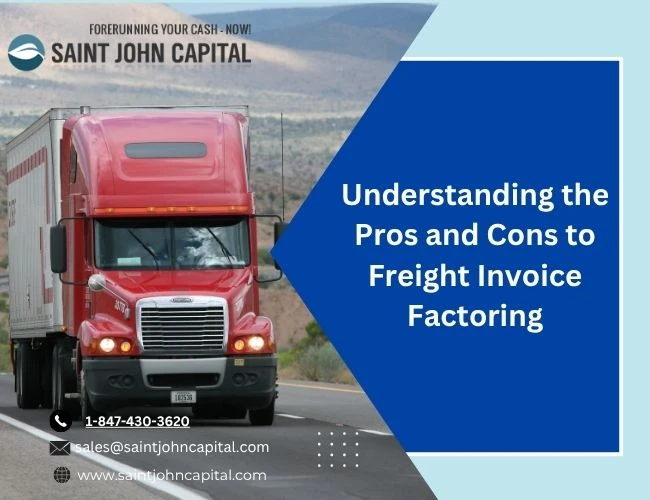
Understanding the pros and cons to freight invoice factoring is essential for trucking companies and owner-operators looking to improve their cash flow. Freight invoice factoring allows carriers to sell their unpaid invoices to a factoring company in exchange for immediate payment. This financial service can help bridge the gap between completing a job and receiving payment, making it easier to manage daily operational expenses.
On the positive side, freight invoice factoring provides quick access to working capital, which can be used for fuel, maintenance, driver pay, and more. It reduces the stress of waiting 30 to 90 days for client payments and can also eliminate the need for loans or credit lines. Some factoring companies even offer additional services like credit checks and collections management.
However, there are also some drawbacks to consider. Factoring fees can add up over time and cut into your overall profit margins. Some contracts may come with hidden charges or long-term commitments that limit flexibility. Additionally, overreliance on factoring can prevent businesses from focusing on improving their credit or managing finances more independently.
Before committing, it’s important to fully understand what you're signing up for. Evaluating the pros and cons to freight invoice factoring can help you determine if it's the right fit for your business strategy and financial goals.