A well-functioning roof protects your home from weather exposure, structural deterioration, and energy loss. Over time, even the most durable materials begin to show signs of aging. While minor concerns can often be addressed through timely Roof repair, there comes a stage when broader action is required. In those situations, Roof replacement becomes a practical step toward restoring complete protection and long-term structural stability.
Evaluating the Need
Before committing to a full replacement, a detailed evaluation is essential. Visible warning signs such as curling shingles, persistent leaks, or sagging areas may indicate deeper structural concerns. However, surface damage alone does not automatically justify a complete overhaul.
A comprehensive inspection looks beyond what is immediately visible. Professionals assess decking integrity, ventilation systems, flashing, and insulation performance. This deeper analysis determines whether the roofing system still has dependable structural support. When deterioration extends beneath the surface layers, more extensive work may be necessary to restore reliability.
Age is another important factor. Roofing materials naturally degrade after prolonged exposure to sunlight, temperature changes, and moisture. Even with consistent maintenance, wear gradually reduces effectiveness. If recurring problems appear despite routine upkeep, a full replacement may offer a more stable and lasting solution.
Understanding the distinction between isolated wear and systemic failure helps homeowners make informed decisions. Careful evaluation prevents premature action while ensuring that serious concerns are not overlooked.
Steps in the Process
Replacing a roof follows a structured and methodical approach designed to ensure durability and safety. Although each home presents unique characteristics, the overall process typically includes several key stages:
- Initial inspection and project planning
- Removal of existing roofing materials
- Examination of the roof deck
- Installation of protective underlayment
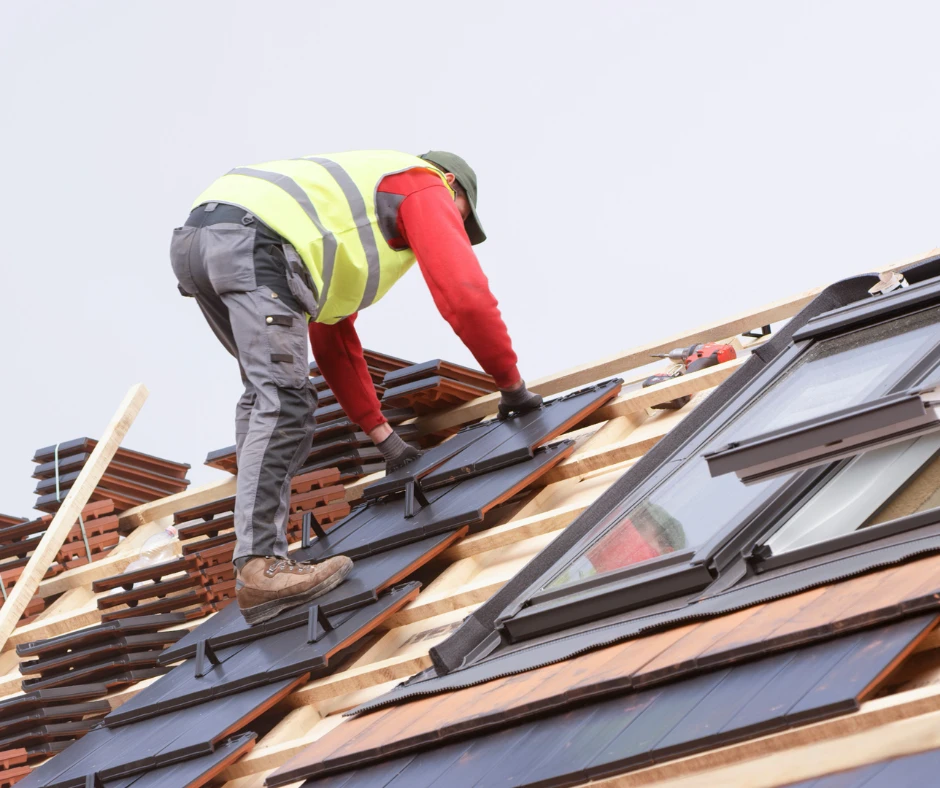
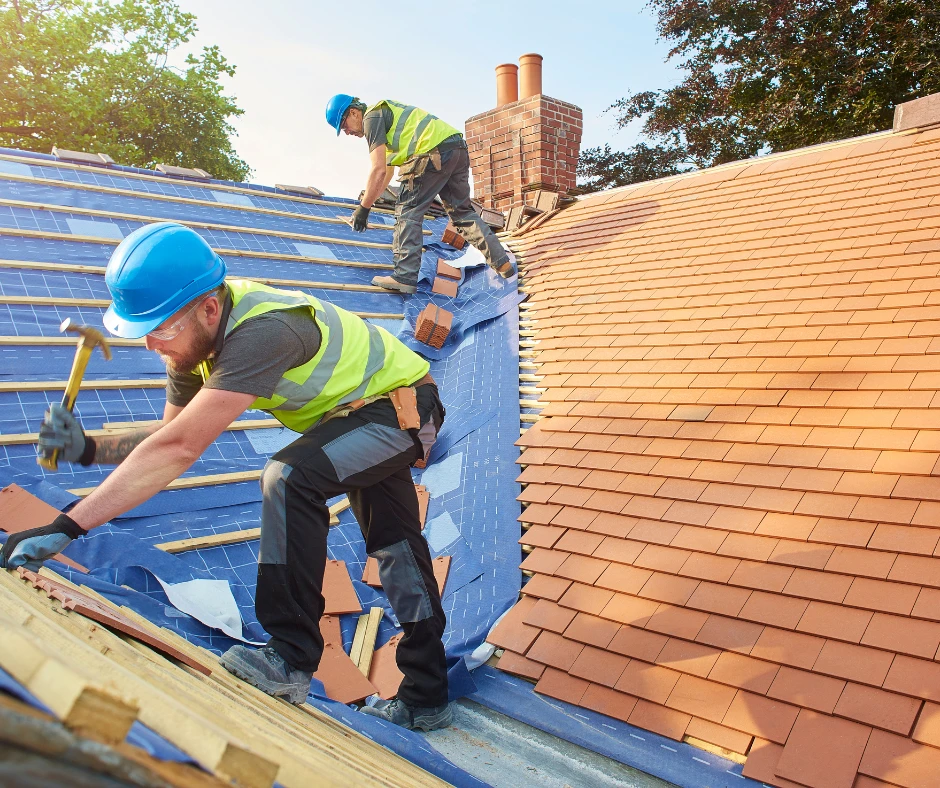
- Placement of new roofing materials
- Final inspection and thorough cleanup
Each phase contributes to the strength and longevity of the finished system. Removing old materials allows contractors to inspect the deck for hidden damage. If compromised sections are discovered, they are reinforced or replaced to create a solid foundation for new materials.
Protective underlayment is then installed to provide an added moisture barrier. This layer plays a critical role in preventing water intrusion beneath the surface covering. New materials are secured carefully, ensuring proper alignment and sealing. Flashing and ventilation components are positioned to promote airflow and direct water away from vulnerable areas.
A final inspection verifies that the installation meets quality standards and that all components are properly integrated. Cleanup restores the surrounding property to its original condition, removing debris and securing loose materials.
Factors That Influence Cost
The cost of replacing a roof depends on multiple variables that interact with one another. Material selection is often a primary consideration. Different roofing materials vary in durability, weight, and visual appeal. Homeowners must balance performance expectations with aesthetic preferences when making their choice.
The condition of the existing structure also affects overall expense. If the decking or support components show signs of decay, additional reinforcement may be necessary. Addressing these issues ensures structural integrity but may influence the final budget.
Design complexity plays a role as well. Steeper slopes, architectural features, and multiple angles require additional precision and labor. Accessibility, regional building requirements, and disposal considerations can also contribute to cost variations.
Although the investment may seem substantial, viewing it through a long-term lens offers perspective. A properly installed roof enhances property value, strengthens structural resilience, and reduces the likelihood of ongoing maintenance disruptions.
Planning and Preparation
Preparation contributes significantly to a smooth project experience. Clear communication with the contractor about materials, scheduling, and responsibilities sets realistic expectations from the beginning. Reviewing inspection findings together ensures that all parties understand the scope of work.
Homeowners can also take practical steps to prepare their property. Securing fragile interior items and clearing attic spaces helps minimize the impact of vibrations during removal and installation. Outdoors, relocating vehicles and protecting landscaping create a safer work environment.
Weather considerations should also be discussed. While contractors plan carefully, environmental conditions can occasionally affect scheduling. Understanding how such situations are handled reduces uncertainty and supports better coordination.
Thoughtful preparation not only streamlines the project but also reinforces confidence in the outcome. When expectations are clearly defined, the process tends to unfold more efficiently.
Long-Term Value and Protection
A newly replaced roof provides more than visual improvement. It restores the home’s primary defense against environmental exposure and supports energy efficiency through proper insulation and ventilation. Balanced airflow prevents excessive heat buildup and reduces moisture accumulation, contributing to greater interior comfort.
Ongoing maintenance remains essential even after installation. Periodic inspections and attention to minor concerns help preserve material performance. Consistent care ensures that the roofing system continues to function as intended for years to come.
Final Considerations
Understanding the process and cost factors associated with a roofing project empowers homeowners to make thoughtful decisions. Careful evaluation, clear planning, and professional installation all contribute to lasting performance. While some situations can be resolved through Roof repair, there are times when comprehensive action offers greater stability and protection. Investing in Roof replacement strengthens structural integrity and enhances long-term value. By recognizing when Roof repair is no longer sufficient and choosing Roof replacement at the appropriate time, homeowners protect their property and ensure dependable performance for the future.