
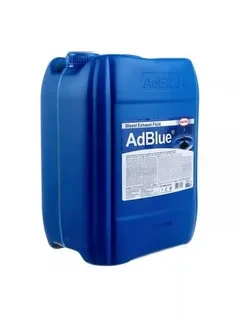
In today’s environmentally conscious world, the demand for cleaner and more efficient vehicles is steadily rising. Diesel engines, while known for their fuel efficiency and durability, have long been under scrutiny due to their high nitrogen oxide (NOx) emissions. This is where AdBlue plays a vital role. Used in selective catalytic reduction (SCR) systems, AdBlue is a solution designed to significantly reduce harmful emissions from diesel engines, making them more eco-friendly and compliant with stringent environmental regulations.
What is AdBlue?
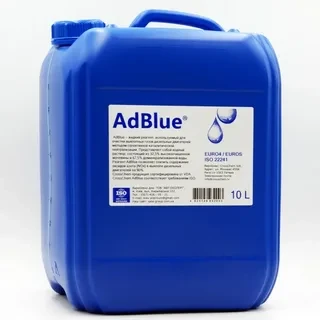
AdBlue is a clear, non-toxic, ecofriendly chemical manufactured by blending high-purity urea and deionized water mixture . It is not a fuel additive and it should not be mixed with diesel , and it is stored in a separate tank in vehicles equipped with SCR technology. When injected into the exhaust stream of a diesel engine, AdBlue triggers a chemical reaction that converts harmful NOx gases into harmless nitrogen and water vapor. This process drastically cuts down the environmental impact of diesel vehicles.
Why is AdBlue Important?
- Reduces Harmful Emissions:
- The primary function of AdBlue is to reduce NOx emissions, which are a major contributor to air pollution and smog. By converting these emissions into harmless compounds, vehicles can meet Euro 6 and other international emission standards.
- Improves Engine Efficiency:
- While AdBlue does not directly improve fuel economy, its use allows engines to be tuned for better performance and efficiency, as emission control is handled separately.
- Legal Compliance:
- Many countries now mandate the use of AdBlue in commercial and passenger diesel vehicles to comply with emission regulations. Failure to use it can result in fines or vehicle performance restrictions.
- Supports Sustainability Goals:
- Businesses and fleet operators increasingly focus on reducing their carbon footprint. Utilizing AdBlue is a step toward achieving greener transportation objectives.
How to Use and Store AdBlue Properly
To maintain vehicle efficiency and ensure compliance, it’s essential to handle AdBlue correctly:
- Refill Regularly: Diesel vehicles will notify drivers when AdBlue levels are low in their vehicle dashboard. Never ignore these warnings, as the vehicle may eventually come to a halt without sufficient fluid.
- Avoid Contamination: Always use clean equipment and sealed containers to refill the tank. Even minor contaminants may affect the quality of DEF and can lead to a serious impact on the SCR system.
- Store in Cool, Dry Conditions: AdBlue has a shelf life of about 12 months if stored below 30°C. Exposure to sunlight or high temperatures can degrade its quality.
Who Needs AdBlue?
- Commercial Trucking Fleets: Long-haul trucks with diesel engines must use AdBlue to meet emissions standards. Refer Vehicle manual for consumption and usage.
- Public Transport Operators: Buses running on diesel require regular AdBlue top-ups.
- Passenger Diesel Vehicles: Many modern diesel cars now include an SCR system that uses AdBlue.
- Construction sites: Modern diesel machineries, cranes and excavators used in sites comply with Adblue standards.
Conclusion
As environmental standards continue to evolve, AdBlue has become an essential component in reducing diesel vehicle emissions and ensuring regulatory compliance. Whether you operate a fleet or own a single diesel vehicle, using high-quality AdBlue ensures smoother engine performance and a reduced environmental footprint. For reliable, pure, and efficient AdBlue solutions in the region, BLUE MIDDLE EAST stands out as a trusted manufacturer in UAE known for quality and customer satisfaction.