
Scaffolding plays a vital role in construction, renovation, and maintenance projects. It provides workers with safe access to elevated areas and ensures materials can be handled efficiently. When planning any project, it’s important to understand the various types of scaffolding available and how each one serves a specific purpose.
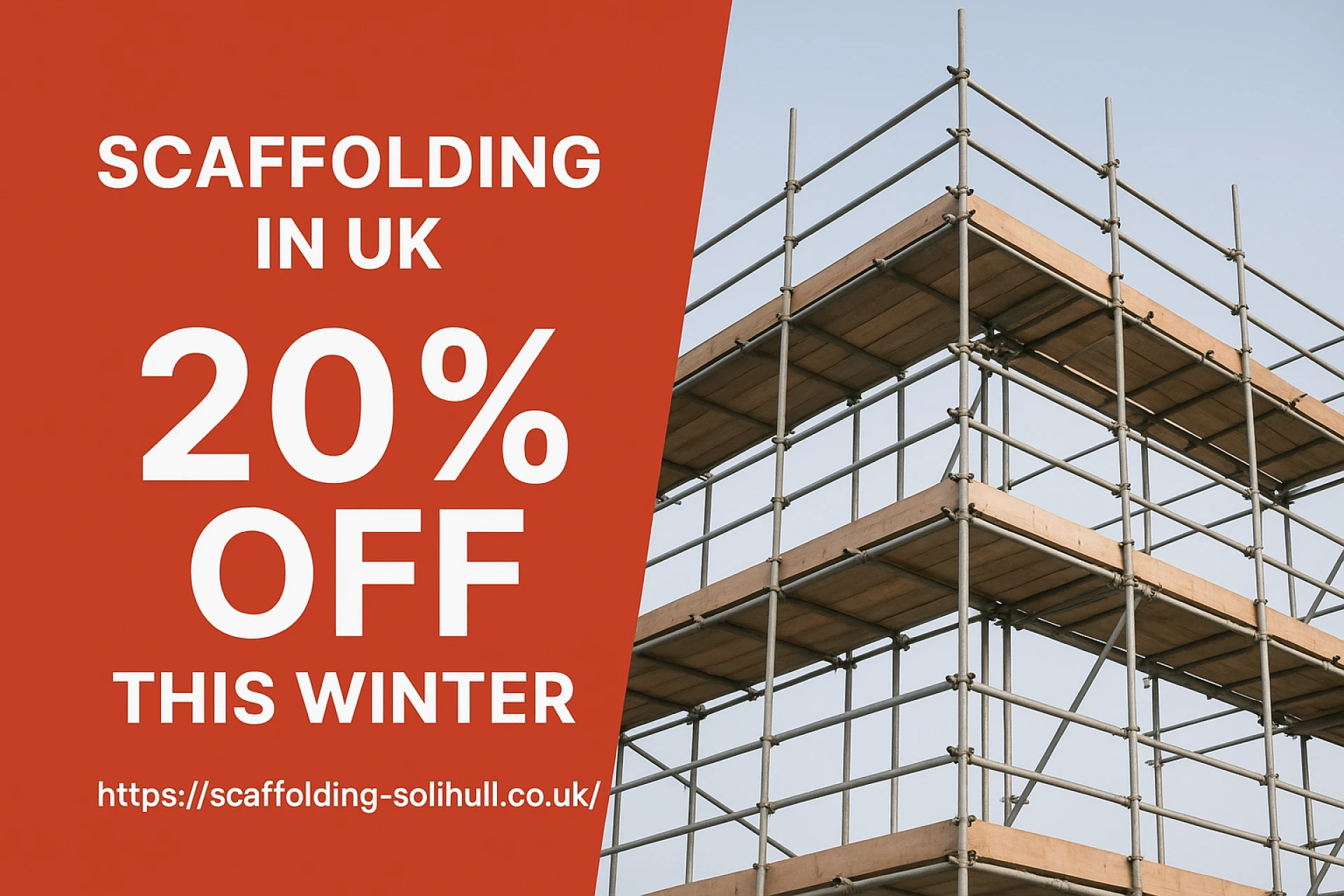
1. Single Scaffolding
Single scaffolding, also known as bricklayer scaffolding, is commonly used for simple construction tasks like brick masonry. It consists of standards, ledgers, and putlogs placed parallel to the wall. This type is affordable, easy to install, and best suited for smaller projects.
2. Double Scaffolding
Double scaffolding, often used for stone masonry, offers extra stability by using two rows of standards. This ensures firm support where drilling into walls is difficult. Its strong structure makes it a preferred choice for heavy-duty work.
3. Cantilever Scaffolding
Cantilever scaffolding is erected when the ground cannot support the standards. It uses a series of needles fixed inside the building to support the working platform. It is ideal for areas with obstacles on the ground, such as busy streets or unstable surfaces.
4. Suspended Scaffolding
Suspended scaffolding is hung from the roof using ropes or chains. It can be raised or lowered as needed, making it perfect for painting, window cleaning, or exterior repairs on tall buildings. This method is lightweight and flexible.
5. Steel Scaffolding
Steel scaffolding is one of the most durable and secure systems. Made from steel tubes connected by fittings, it offers excellent strength, longer lifespan, and resistance to fire. It is commonly used in large, complex construction projects.
6. Trestle Scaffolding
Trestle scaffolding consists of movable ladders and planks, ideal for indoor work such as painting or repairs. It doesn't require a complex setup and is easy to move from one spot to another.
Why Understanding Scaffolding Types Matters
Choosing the right scaffolding system improves safety, speeds up project completion, and reduces overall cost. Knowing the types of scaffolding helps contractors and homeowners select the most suitable structure based on height, load capacity, and working conditions.
Final Thoughts
From small home improvements to large commercial builds, using the correct types of scaffolding ensures every project is carried out efficiently and safely. Professional scaffolding companies can guide you on selecting the best option depending on your project’s needs.