
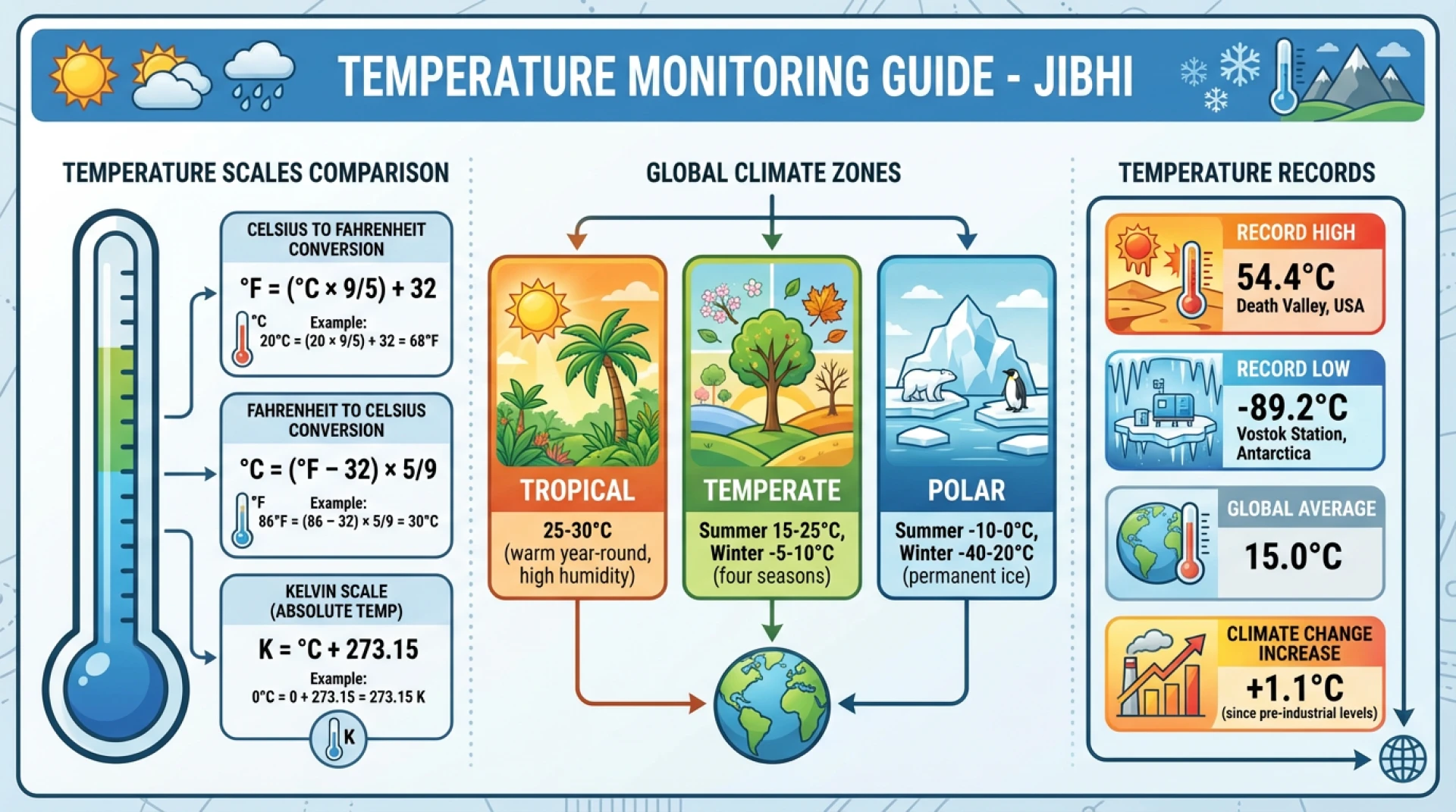
Beyond the Mercury: Understanding What the Temperature Today Actually Means for You
We check it the moment we wake up. We glance at it on our smartphones before stepping outside. We let it dictate our outfit, our commute, and even our mood. The “temperature today” has become the most consulted piece of data in our daily lives. But in our rush to consume this number, have we stopped understanding what it truly represents?
The Temperature Today Is More Than a Data Point
When you look at your weather app, you are seeing the result of complex atmospheric science distilled into a single digit. But that number is just the headline of a much richer story — a story that plays out differently depending on where you stand, what time of day it is, and even what season your brain thinks it should be .
Modern weather forecasting relies on sophisticated Artificial Intelligence and Natural Language Processing to deliver these forecasts . Search engines and weather services use entity recognition to understand that “temperature today” connects to concepts like humidity, wind chill, UV index, and precipitation probability . Yet the human experience of temperature remains beautifully analog.
The Deceptive Nature of Numbers
Think about the difference between a mild 18°C in February and the same reading in October. The thermometer says the same thing, but your skin knows better.
In February, 18°C feels like a rebellion against winter. It is not just warmth; it is the sensation of weak sunlight actually heating the back of your neck. It is the sound of birds, tricked into believing spring has arrived early, singing with misplaced optimism. The temperature today in winter represents hope — a preview of the thaw to come.
In October, that same 18°C carries an entirely different emotional weight. It feels like summer’s final goodbye, tinged with the melancholy of approaching cold. The air smells different — like fallen leaves and the quiet before rain. Your skin registers the same degree of warmth, but your soul reads it as a warning to prepare for what is coming.
This is the semantic depth that a simple temperature reading cannot convey. It is why semantic SEO and modern content strategies focus on context and intent rather than just repeating keywords . The temperature today is not a fact; it is an experience shaped by context.
When the Heat Demands Respect
In some parts of the world, the temperature today carries a warning. A forecast of 35°C with a humidex of 45 is not just a number — it is a public health advisory.
At these temperatures, the air transforms. It becomes heavy, humid, and pressing — what some writers have memorably described as “like a wet quilt.” You do not just read about the heat; you feel it in the trickle of sweat running down your spine before you have even walked to your car. You feel it in the urgent need to find shade, in the grateful sigh when an air-conditioned space opens its doors, in the collective hum of every cooling unit in the neighborhood fighting for relief.
The temperature today, in this context, becomes a teacher. It teaches respect for nature’s power and reminds us of our own vulnerability. It connects us to our neighbors in shared experience — the universal nod of acknowledgment when you pass someone else on the street, both of you seeking the thin strips of shadow between buildings.
The Cold That Wakes You Up
Alternatively, the temperature today might be telling a story of renewal. A sudden drop after days of oppressive humidity feels less like cold and more like liberation.
You can smell the change before you feel it — that clean, mineral scent of a dropping barometer and an approaching front. When the cold finally arrives, it does not just lower the temperature; it clears the air, sharpens every outline, and makes the world feel newly washed and possible.