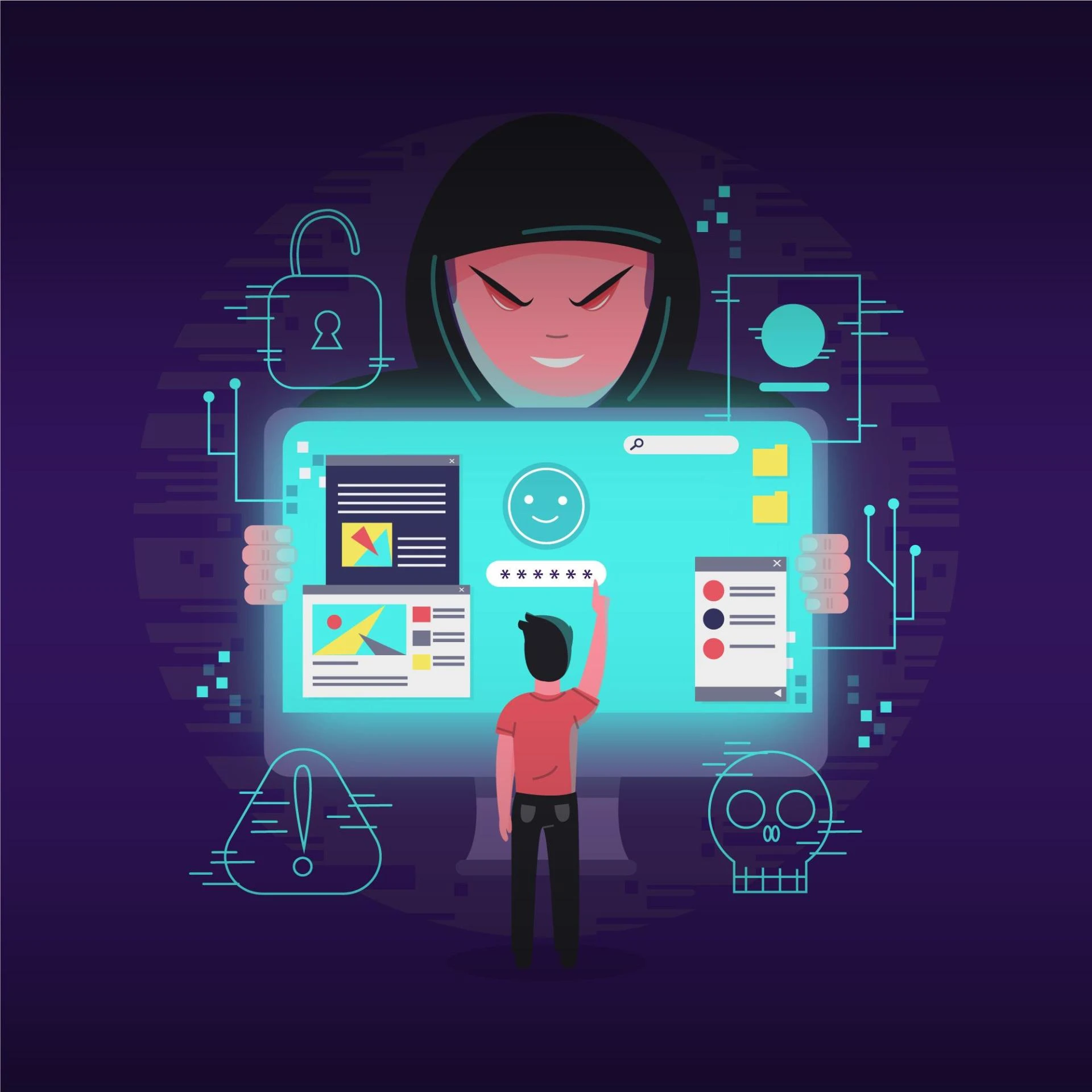
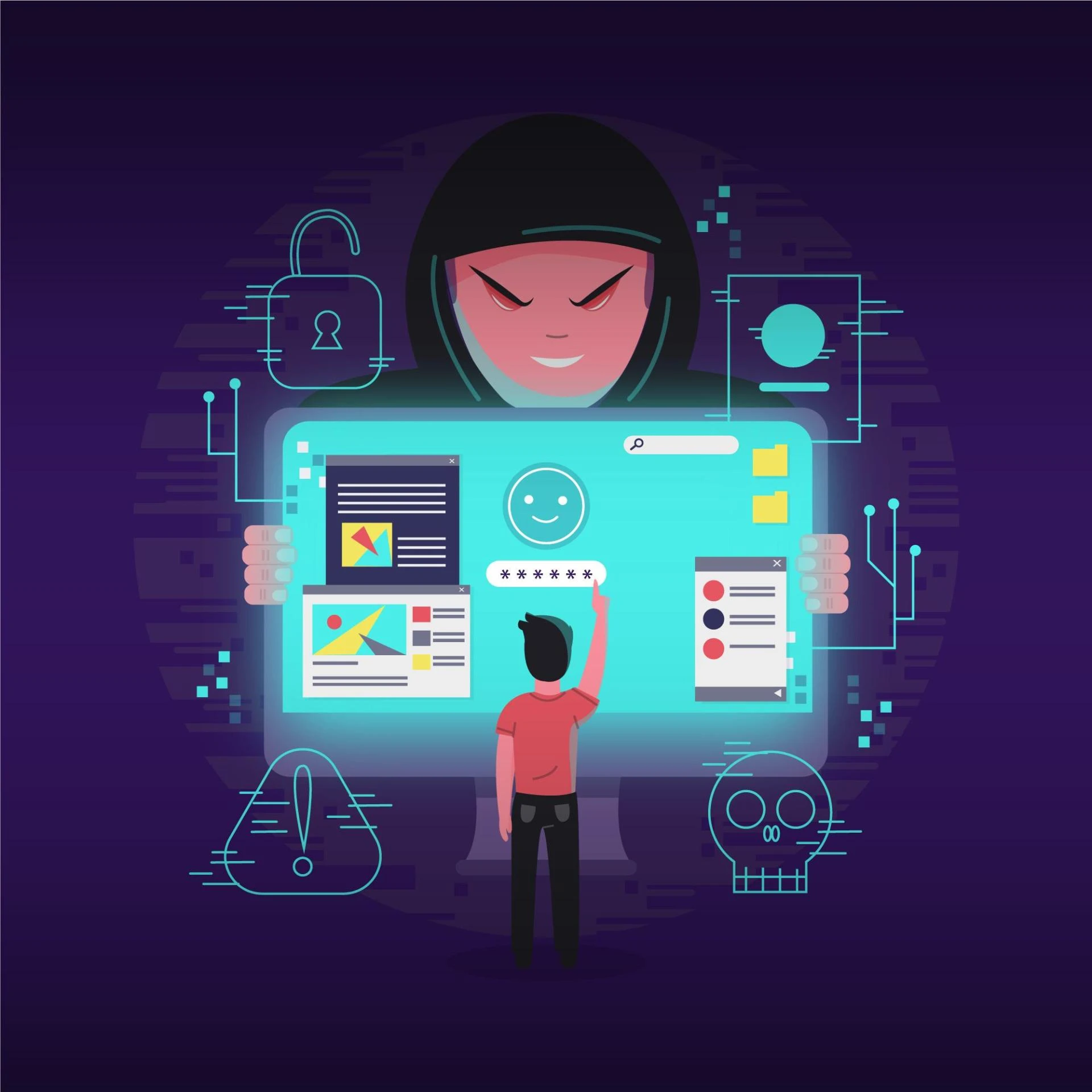
One of the most rapidly developing frauds on the internet is a social engineering scam. Scammers break into the system of people, but not with the help of code. They lure victims to share sensitive information, money, or access sensitive accounts. But the beginning of knowledge is adopting safety measures.
What is Social Engineering Fraud?
Social Engineering Fraud is an influence-driven crime in which social engineers exert influence over individuals to reveal sensitive information, money, or gain access to any system. Social engineering works on factors like curiosity, trust, fear, and authority.
Every form of social engineering begins with the element of trust and ends in exploitation, and this is why education is the best protection. This social engineering scams guide will educate you more on how these scams take place and how you can save yourself.
Types of Social Engineering Scams
Being aware of the various scams in the social engineering process will enable you to spot red flags early enough.
- Phishing: For phishing, scammers send emails that seem as if they are coming from the actual institutions and are used to deceive people into revealing their login credentials.
- Vishing (Voice Phishing): This type of scam uses urgent phone calls in attempts to trick victims into disclosing sensitive information after being posed as representatives or support staff from banks or other institutions.
- Smishing (SMS Phishing): It is an SMS spoofed message involving messages with harmful links or leading to phony login pages.
- Pretexting: Pretexting is the deception of an interesting, but false story, which offenders use to gain trust and present confidential information.
- Baiting: Baiting is displayed as downloads, which are free, giveaways, or updates on software that entice users to download malware to their computers.
- Quid Pro Quo: In the quid pro quo scams, the fraudsters offer to help or provide some service in exchange that they needed the login credentials or access to the system.
- AI and Deepfake Scams: AI and deepfake scams are types of scams that use audio or video content that mimics the sound of a voice of authority, and importantly, fake payment confirmation.
- Romance/Pig-Butchering Scams: These are those that involve long-term psychological manipulation of victims in order to indulge in fake investment schemes or money transfers.
- Social Media Exploitation: In such exploitation, fraudsters make a bogus identity of an influencer or a corporate body on social media to sell a fraudulent investment or a prize giveaway.
How to Spot a Social Engineering Attack?
The social engineering frauds are successful because they appear and seem to be real.
Emotional Triggers
Fear, urgency, or promises of quick rewards are consciously utilized by scammers to get people to react emotionally rather than to think things through.
Requests for Sensitive Data
No regular company would ever ask for your password, OTP, or card information via any e-mails, messages, or phone calls; therefore, any such request will be flagged at once.
Links and Domains to Watch Out For
Fraud emails usually have hyperlinks that are almost similar to the authentic websites; hence, all email addresses and hyperlinks must be closely observed before clicking.
Poor Grammar or Unusual Tone
The spelling mistake, awkward expression, or odd accent is usually a definite indicator that a scam message is present because some of them may be computer-generated or typed by foreigners.
Unusual or Urgent Requests
In case you are asked to provide money unexpectedly, access to an account, or take an immediate action, always stop and make sure that you verify the request with the help of some other reliable communication means.
How to Avoid Social Engineering Scams?
Prevention mostly starts with understanding and some intelligent habits.
Never Share Your Personal Details
During phone calls, emails, or text messages, do not share your personal data such as passwords, OTPs, and cards no matter how genuine the calls appear.
Confirm the Source
It is always imperative that you confirm the identity of the sender through communication with the organization through their authentic website communication channels.
Use Strong Authentication Tools
Use strong passwords and multi-factor authentication to strengthen the security for your accounts.
Enable Spam Filters & Protection Software
Turn on spam filtering and ensure security software is engaged to assist in deterring spam messages, links, and malware.
Keep Your Devices Updated
Always upgrade your operating systems, applications, and security programs so that you are not exposed to newly identified attacks.
Trust Your Instincts
In every case, when you have a gut feeling that something is not right or it is too urgent, it is always better to follow your instincts and not rush with your actions.
Take heed and check first before acting. The few seconds it takes to scan the message might save weeks of anxiety and loss.
What to Do If You’ve Been a Victim
When you fall victim to a social engineering scam, it can be a shocking experience. However, a simple action now will go a long way. The first thing to do is to protect your wallet immediately in case there is money or other personal information exchanged. Request them to watch or freeze suspicious accounts. Then secure your online existence by switching passwords, turning on multi-factor authentication, and performing a virus scan on your devices in case you have clicked on dubious links to be executed. Be vigilant on both your accounts and internet use during the days and weeks after. Scammers tend to use the stolen information at a later date. Reporting the incident to the appropriate authorities or sites will protect others and also a higher chances of preventing recurrence of attacks. However, in situations where the loss could be substantial or in instances where it could be identity theft, the professional recovery assistance will be there to assist in the process. Most importantly, it should be noted that fraud has become more sophisticated with the increased usage of AI in its commission.
Stay Alert, Not Afraid
There is no need to live in fear of scams. Just establish some good habits that would make you a more difficult target. Watch out against anything hasty, emotional, or simply not quite right. Do not believe without checking, be it in a message, requesting cash, or even in a job opportunity.
If unsure, slow down. Fraudsters flourish on hysterical judgment. Just taking 30 seconds to check the message, the origin, and dialing the firm itself will put the attack in its grave.